
24/7 Customer Support

Free returns

Same-day & Next-day Delivery

Quality Guaranteed

Unlock Your Welcome Offers: FREE Delivery | Up to 80% OFF | Free 30-day JoyPlus trial
Download the APP
A face moisturiser with SPF can simplify your morning routine, but not every product suits every UK lifestyle. A low-SPF day cream may be comfortable for a short commute, while a daily facial sunscreen with SPF 50 is more appropriate for extended outdoor exposure. The challenge is separating useful product features from claims that sound more impressive than they are.
This guide explains the main buying pitfalls, the specifications worth checking and which formulas may suit different skin types and routines.
SPF mainly indicates protection against UVB, the rays associated with sunburn. For broader everyday protection, look for a product that also states UVA protection, ideally with the UK UVA circle or a clearly explained UVA rating.
An SPF 15 moisturiser may work as a light daytime layer for limited exposure, but it should not automatically replace a dedicated daily facial sunscreen during long periods outdoors. SPF 30 and SPF 50 provide a higher labelled level of UVB protection and are practical choices for holidays, outdoor work, sport or prolonged summer exposure.
A cream only provides the labelled protection when applied in the recommended quantity. Applying a thin layer to avoid shine can reduce coverage. Reapplication is also important after sweating, swimming or towelling, particularly with products intended for outdoor use.
A face moisturiser with SPF is designed for facial use and may not be economical for the body. For arms, shoulders and legs, compare a larger body sun lotion SPF 30 or SPF 50, such as a 175ml or 200ml bottle.
A lightweight sun cream can feel comfortable on oily or combination skin, but may not provide enough comfort for dry skin without a separate moisturiser. Conversely, a rich SPF face cream may feel heavy under make-up.
Fragrance, alcohol, essential oils and certain filters can also be unsuitable for some users. Always check the current ingredient list on the packaging, especially if you are looking for a sensitive skin moisturiser with SPF.
Use the following as a practical guide:
No sunscreen allows unlimited time in the sun. Shade, clothing, a hat and sunglasses remain important, particularly around the strongest sunlight hours.
If you wear foundation, look for a formula described as non-greasy, fast-absorbing or suitable as a make-up primer with SPF. Invisible fluids often sit more lightly than traditional creams, while richer moisturisers can be more comfortable for dry or mature-feeling skin.
If white cast is a concern, consider a sheer chemical-filter formula or a product specifically described as invisible. Mineral sunscreen for sensitive skin can be useful for shoppers who prefer zinc oxide, although mineral formulas may vary in finish and blendability.
For dry skin, humectants such as glycerin, hyaluronic acid and panthenol can support a more comfortable finish. A hydrating face moisturiser SPF formula may reduce the need for several morning layers.
Those shopping for a vitamin C moisturiser may prefer a product containing a vitamin C derivative, while a niacinamide moisturiser can appeal to shoppers seeking a multi-purpose daytime formula. These ingredients are cosmetic features, not guarantees of a particular medical or anti-ageing outcome.
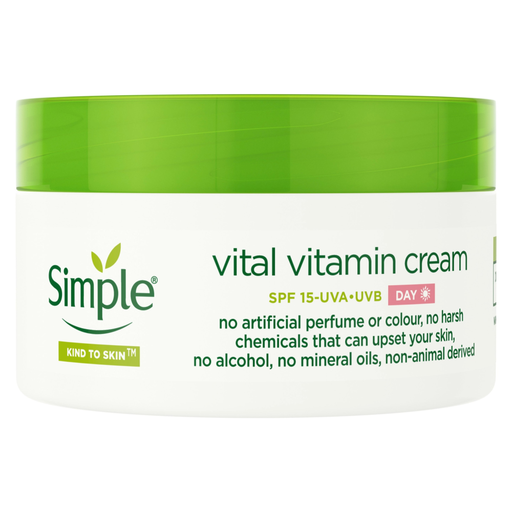
Why This Fits Their Persona: A straightforward option for UK shoppers wanting daily hydration and modest SPF in one morning product.
Its SPF 15 is clearly stated, helping buyers avoid mistaking a general moisturiser for higher outdoor protection. Reapply as directed and use additional protection outdoors.
Contains glycerin, pro-vitamin B5, vitamin E and niacinamide; the formula is described as fragrance-free, hypoallergenic and non-greasy.
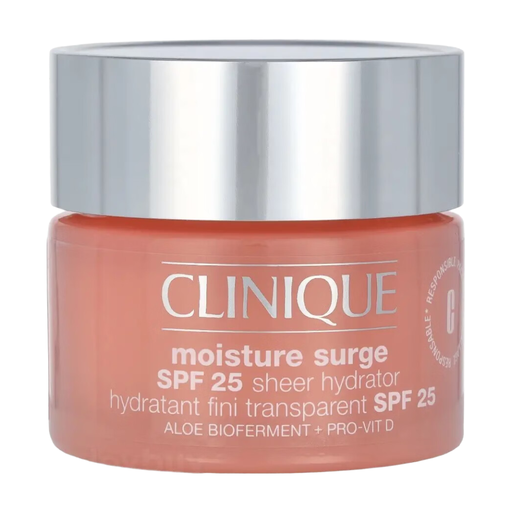
Why This Fits Their Persona: Suits shoppers who prioritise a smooth, sheer finish for office days, commuting and make-up application.
The product description specifies an oil-free, fragrance-free texture that blends sheer without a white cast or sticky residue.
SPF 25 with UVA/UVB wording, hyaluronic acid and aloe-derived ingredients; designed to leave a smooth base under make-up.
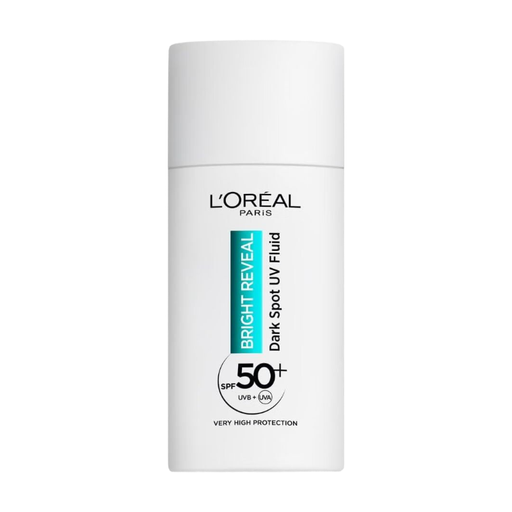
Why This Fits Their Persona: A practical choice for shoppers wanting a lightweight daily facial sunscreen with higher SPF for regular outdoor exposure.
SPF 50 and stated UVA/UVB coverage make its protection level easy to compare. Its fluid format can reduce the temptation to apply too little because of a heavy finish.
Contains vitamin C and vitamin E derivatives; the product is described as fragrance-free, lightweight and suitable beneath make-up.
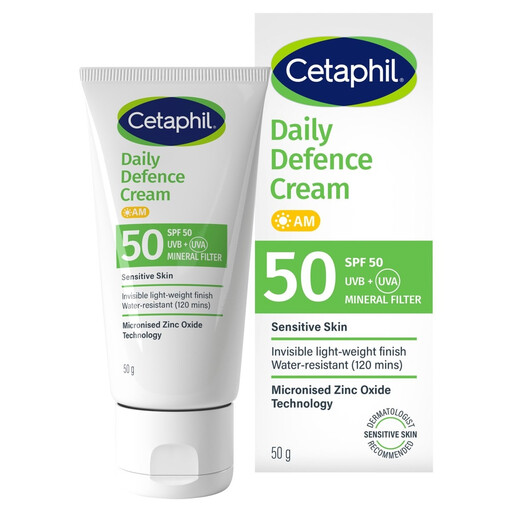
Why This Fits Their Persona: Consider it if you prefer mineral sunscreen for sensitive skin and need a face-and-neck product for active days.
It uses micronised zinc oxide and states 120 minutes of water resistance. Reapplication is still required after swimming, sweating or towelling.
SPF 50, fragrance-free formulation and a lightweight finish; the product is listed as suitable for sensitive skin and vegan users.
We have compiled a complete, real-time list of products that fully satisfy these strict selection criteria and UK safety regulations.
It can be suitable for short, routine exposure when applied generously and evenly, but SPF 30 or SPF 50 is more practical for extended outdoor time. Choose a product with UVA as well as UVB protection and reapply when required.
Check the open-jar symbol and packaging instructions. Many cosmetics indicate a period such as 12 months after opening, but storage conditions also matter. Keep the product away from direct heat and sunlight, and replace it if its smell, colour or texture changes.
Yes. Lightweight fluids and non-greasy day creams are generally easier to layer under make-up. Allow the product to settle before applying foundation, and avoid reducing the amount simply to achieve a smoother finish.