
24/7 全天候客户支持

免费退货

当日/次日达

品质保障

开启新人专享福利: 全场免邮 | 低至 2 折 | 免费试用 30 天 JoyPlus 会员
下载 Joybuy
Navigating the world of skincare can feel like a full-time job. With endless shelves of creams and lotions, it's easy to end up with a bathroom cabinet full of products that don't quite work. A good face moisturiser is the cornerstone of any routine, but finding the right one often involves falling into a few common traps.
As a Joybuy Product Recommendation Officer, my role is to help you see past the marketing jargon. Before you spend another pound, let's look at the most frequent pitfalls UK shoppers encounter and how to sidestep them.
To make an informed choice, focus on these non-negotiable parameters. They will help you match a product to your actual needs, not just the brand's claims.
Your skin type is the single most important factor. Look for formulas designed to address your specific concerns.
Using the right cream at the right time can make a significant difference.
Based on these practical criteria, here are a few options that align with specific user needs, helping you avoid common purchasing mistakes.
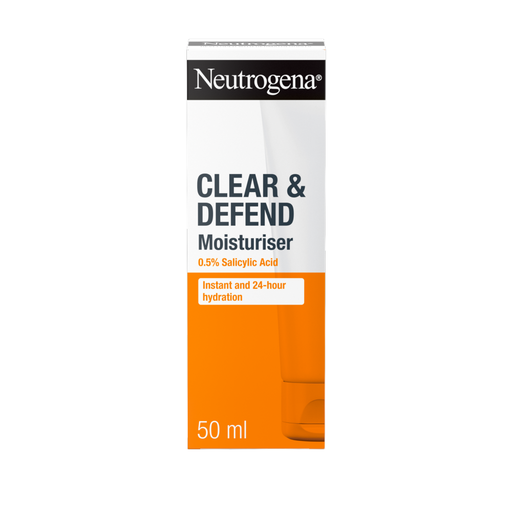
Why This Fits Their Persona: Ideal for students or young adults in the UK dealing with breakouts. It provides necessary hydration without feeling heavy, making it a practical choice for a daily routine that needs to be quick and effective before heading out.
It sidesteps the "one-size-fits-all" myth by being specifically formulated for spot-prone skin. Its oil-free nature ensures it won't exacerbate oiliness or clog pores.
Contains 0.5% salicylic acid to help prevent spots. The lightweight formula provides 24-hour hydration without a greasy feel.
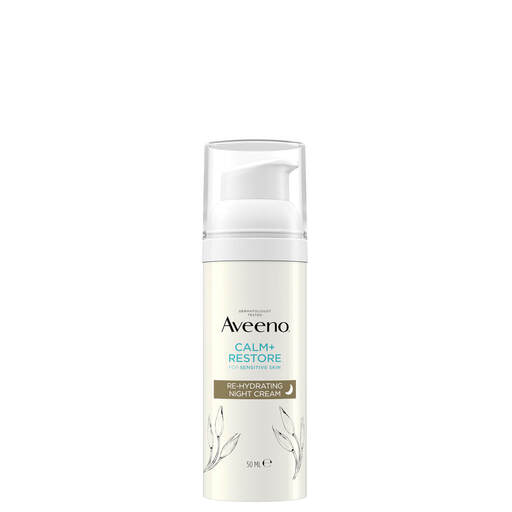
Why This Fits Their Persona: Perfect for anyone whose skin feels tight, irritated or reactive, especially after a long day exposed to city pollution or central heating. It offers intensive overnight care to calm and replenish the skin.
This cream avoids the "miracle ingredient" trap by focusing on a solid, gentle formulation. It relies on the well-regarded properties of Prebiotic Oat and Calming Feverfew for barrier support, not on a single, overhyped active.
Fragrance-free, non-comedogenic and dermatologist tested. It provides 48-hour moisturisation to help strengthen the skin's moisture barrier as you sleep.
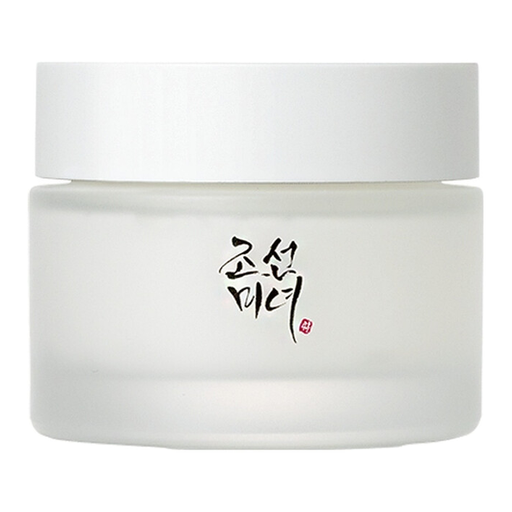
Why This Fits Their Persona: For the UK skincare fan who follows K-beauty trends and wants a product that does more. This cream's versatility as a moisturiser, sleeping mask and makeup base offers excellent value and simplifies a routine.
It avoids the "impractical texture" pitfall. Its unique, firm texture is a key feature, designed to provide a long-lasting dewy glow—a desirable finish for this user, rather than an unwanted greasy side effect.
An "all-in-one" formula with Rice Bran Water, Ginseng, Niacinamide and Squalane to nourish, brighten and strengthen the skin barrier.
We have compiled a complete, real-time list of products that fully satisfy these strict selection criteria and UK safety regulations.
Non-comedogenic is a term used to describe products formulated in a way that they are not likely to cause pore blockages (comedones) and lead to breakouts. This is a particularly important label to look for if you have an oily skin moisturiser or are prone to spots, as it helps ensure your cream provides hydration without contributing to blemishes.
While you can, it is not always the best approach. Night creams are generally formulated to be richer and heavier to support skin repair overnight. This texture can feel greasy during the day and may not sit well under makeup. A day cream is specifically designed to be lighter and absorb faster for daytime comfort and wear.