
24/7 Customer Support

Free returns

Same-day & Next-day Delivery

Quality Guaranteed

Unlock Your Welcome Offers: FREE Delivery | Up to 80% OFF | Free 30-day JoyPlus trial
Download the APP
Navigating the world of skincare can feel overwhelming. With countless jars promising miraculous results, it is easy to end up with a bathroom cabinet full of products that do not deliver. A good face moisturiser is the cornerstone of any effective skincare routine, but finding the right one often means looking past the marketing hype. Many of us have been caught out by expensive creams that fail to work or, worse, irritate our skin.
As the Joybuy Product Recommendation Officer, my role is to help you identify what truly matters. Before you make your next purchase, let’s look at the common pitfalls that lead to disappointment and what to look for instead.
Understanding these frequent missteps can save you both money and frustration:
To make an informed choice, focus on the formulation and how it matches your skin's needs. Here are the key parameters to consider.
A truly effective hydrating face cream typically contains a blend of these three types of ingredients:
If your skin feels tight, irritated or looks red, you may need to focus on skin barrier repair. A compromised barrier cannot hold onto moisture effectively.
Once you understand the basics, you can select a product that targets your primary concern.
Based on these principles, here are a few moisturisers that align with specific needs and avoid common purchasing traps.
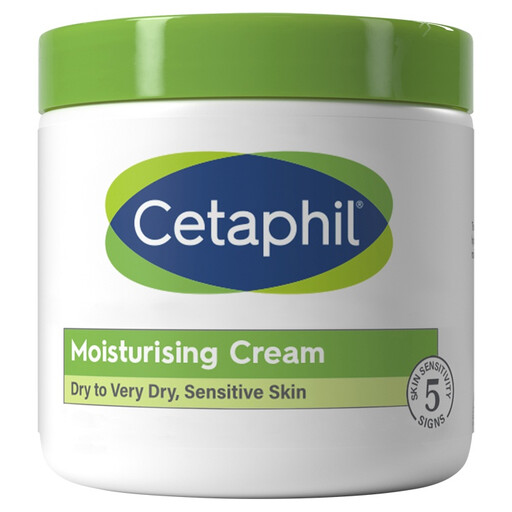
Why This Fits Their Persona: This is a go-to for families or individuals in the UK seeking a reliable, no-fuss moisturiser for both face and body. Its large size offers excellent value, and its gentle formulation is suitable for dry and sensitive skin types, including those prone to eczema.
It avoids the "one-size-fits-all" trap by being specifically formulated for dry to very dry, sensitive skin. It focuses on a proven, gentle formulation rather than a single "miracle" ingredient.
The formula is fragrance-free and non-comedogenic (won't clog pores). It contains niacinamide and panthenol to support the skin barrier, providing long-lasting hydration.
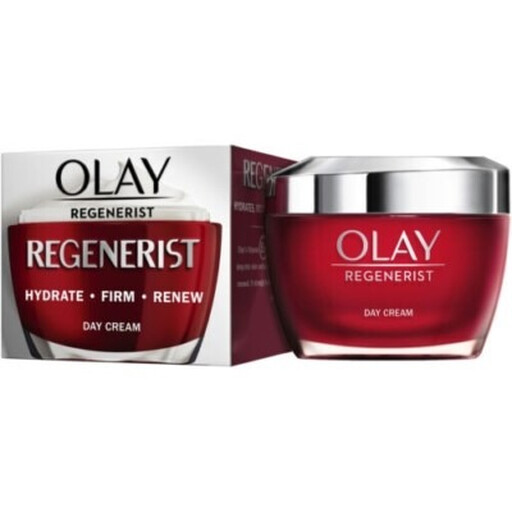
Why This Fits Their Persona: For the UK consumer focused on tackling visible signs of ageing like fine lines and loss of firmness. This cream is a well-regarded option that combines hydration with targeted anti-ageing ingredients in an accessible format.
Instead of one hyped ingredient, it relies on a combination of proven actives. The formula is built around Niacinamide and Peptides, which work together to hydrate, firm and improve skin texture.
It provides 24-hour hydration while actively targeting signs of ageing. The light, non-greasy texture absorbs well, making it a suitable day cream for normal, dry and oily skin types.
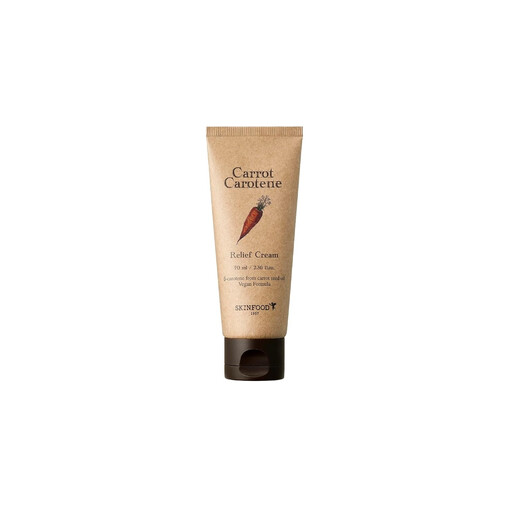
Why This Fits Their Persona: Ideal for someone with easily irritated skin who experiences frequent redness. This user is looking for a gentle, soothing moisturiser that calms the skin while providing adequate hydration without feeling heavy or greasy.
This cream is specifically designed for a niche concern—redness and sensitivity. It avoids the "one-size-fits-all" approach by using carrot root extract and beta-glucan to soothe and repair the skin barrier.
Its lightweight gel-cream texture provides lasting hydration without a greasy feel. The vegan, cruelty-free formula has passed dermatological tests, making it a reliable choice for delicate skin.
We have compiled a complete, real-time list of products that fully satisfy these strict selection criteria and UK safety regulations.
You can, but there are benefits to using separate products. A good day cream is often lighter and may contain SPF for sun protection. Night creams are typically richer and focused on repair and regeneration, containing active ingredients that are best used away from sunlight. If you use one for both, ensure you apply a separate, broad-spectrum sunscreen in the morning.
This usually points to an issue with the formula. Your moisturiser might be high in humectants (like hyaluronic acid) but lack sufficient occlusive ingredients to seal that moisture in. In the dry UK air, especially with central heating, humectants can sometimes draw moisture out of your skin if there is no protective barrier. Try a cream with ingredients like shea butter, petrolatum or dimethicone to lock in hydration.
For most people, applying moisturiser twice daily is ideal—once in the morning after cleansing and before sunscreen, and once at night as the final step in your skincare routine. If you have particularly dry skin or live in a harsh climate, you may benefit from reapplying to dry patches during the day. Always apply to clean, slightly damp skin to maximise absorption.