
24/7 Customer Support

Free returns

Same-day & Next-day Delivery

Quality Guaranteed

Unlock Your Welcome Offers: FREE Delivery | Up to 80% OFF | Free 30-day JoyPlus trial
Download the APP
Finding the right face moisturiser can feel like navigating a maze of marketing claims and confusing ingredient lists. Many of us in the UK have spent good money on creams that either don't work, feel unpleasant or worse, irritate our skin. As a Joybuy Product Recommendation Officer, my role is to help you sidestep these common issues and find a product that genuinely meets your needs.
Before you add another jar to your basket, let's look at a few common pitfalls that lead to disappointing purchases.
To make an informed choice, focus on the formulation and how it matches your skin's requirements. Here are the key parameters to consider.
Understanding your skin is the first step. Different skin types have different needs, and the texture and key ingredients of your moisturiser should reflect that.
Beyond basic hydration, certain ingredients offer targeted benefits that are worth seeking out.
Based on these practical criteria, here are a few moisturisers that align with specific user needs, helping you avoid the common purchasing traps.
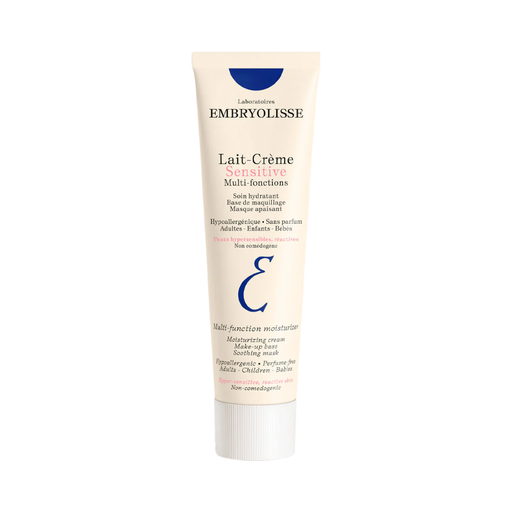
Why This Fits Their Persona: This is for individuals or families who need a gentle, reliable moisturiser that won't cause flare-ups. Its high-tolerance, fragrance-free formula is suitable for adults, children and even babies, making it a practical choice for a shared bathroom cabinet.
It sidesteps the "one-size-fits-all" myth by being specifically formulated for sensitive and reactive skin. It relies on nourishing, proven ingredients like shea butter and aloe vera, not marketing hype.
Its formula contains 99% natural origin ingredients and is tested under dermatological and paediatric control, offering peace of mind for those with delicate skin.
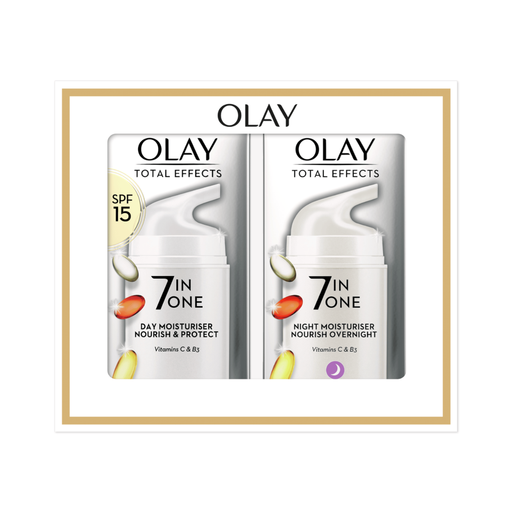
Why This Fits Their Persona: For the user who wants a structured approach to tackling the signs of ageing. This set provides a dedicated day and night cream, creating a complete 24-hour regimen designed to smooth lines, even tone and restore firmness.
Instead of a single "miracle" cream, this provides a cohesive system. It focuses on the proven VitaNiacin Complex (Vitamins B3, C and E) to strengthen the moisture barrier and improve radiance, addressing ageing from multiple angles.
This set offers a comprehensive day and night solution that targets seven signs of ageing. The formulas are non-greasy and fast-absorbing for immediate comfort.
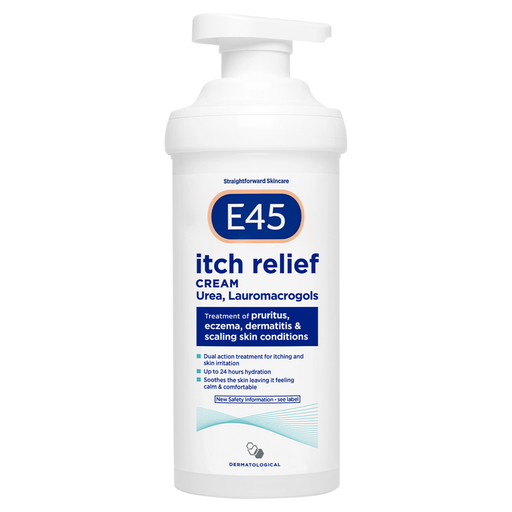
Why This Fits Their Persona: This is for someone dealing with the significant discomfort of itchy, irritated skin caused by conditions like eczema or dermatitis. They need a functional product that provides genuine relief, not just cosmetic hydration.
It directly addresses the root cause of discomfort by targeting the itch-scratch cycle. It's a no-frills, functional emollient that prioritises soothing and barrier support over fragrance or fancy packaging.
The dual-action formula contains lauromacrogols, an anti-itch ingredient and urea to provide intense hydration. It is fragrance-free and suitable for the whole family, including infants over one month.
We have compiled a complete, real-time list of products that fully satisfy these strict selection criteria and UK safety regulations.
1. How long does a face moisturiser take to show results? While you should feel immediate relief from dryness and tightness, more significant changes take time. For benefits like improved skin texture, reduced appearance of fine lines or stronger skin barrier repair, you should use the product consistently for at least 4-6 weeks. This aligns with the skin's natural renewal cycle.
2. Do I really need a face moisturiser with SPF in the UK? Absolutely. For daytime use, a moisturiser with broad-spectrum SPF 30 or higher is one of the most effective steps you can take to protect your skin. UV radiation is present year-round, even on cloudy days and is a primary contributor to premature ageing. If your favourite moisturiser doesn't contain SPF, be sure to apply a separate sunscreen as the final step in your morning routine.
3. Can I use the same moisturiser for day and night? You can, but there are benefits to using different formulas. A day cream is often lighter and may include SPF for protection. A night cream is typically richer and focused on repair, often containing a higher concentration of active ingredients like peptides or ceramides to support the skin's overnight regeneration process.