
24/7 Customer Support

Free returns

Same-day & Next-day Delivery

Quality Guaranteed

Unlock Your Welcome Offers: FREE Delivery | Up to 80% OFF | Free 30-day JoyPlus trial
Download the APP
Finding the right face moisturiser can feel like navigating a maze. Shelves are packed with jars and tubes all promising flawless skin, but the reality is often a cabinet full of half-used products that didn't deliver. As a Joybuy Product Recommendation Officer, my role is to help you bypass the marketing clutter and make choices that genuinely suit your skin and your budget. Before you add another cream to your basket, let's look at the common pitfalls that lead to disappointing purchases.
The most frequent missteps we see are rooted in clever marketing, not skincare science.
To choose wisely, shift your focus from the marketing claims on the front of the box to the functional details on the back. Here are the non-negotiable factors to consider.
Your skin's main concern should be your starting point. A moisturiser is a tool, and you need to pick the right one for the job.
The feel of a product is just as important as its ingredients.
For any daytime moisturiser, sun protection is not an optional extra—it's essential. UV radiation is present year-round in the UK, and it's a primary contributor to premature skin ageing and dark spots. Always look for a day cream with SPF of at least 20 for daily use.
Based on these practical criteria, here are a few recommendations matched to specific user needs.
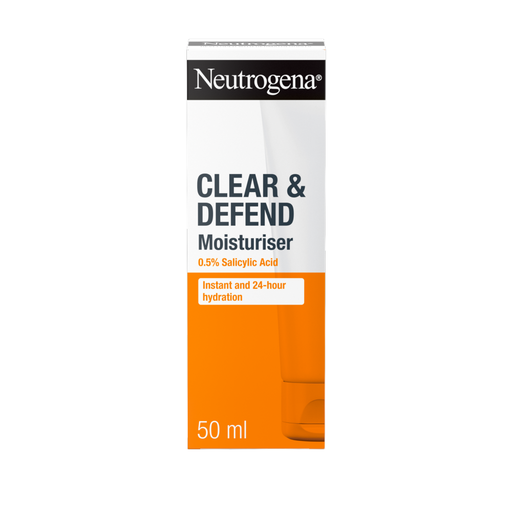
Why This Fits Their Persona: This is a straightforward, effective choice for students or anyone dealing with breakouts. It provides necessary hydration without feeling heavy or greasy, and the oil-free formula is designed specifically not to clog pores, making it a reliable daily staple.
It directly avoids the "one-size-fits-all" trap by being specifically formulated for spot-prone skin. Its value comes from a targeted, well-known active ingredient, not from overhyped marketing.
Contains 0.5% salicylic acid to help prevent spots and is enriched with aloe vera and chamomile to soothe skin, providing a balanced approach to managing blemishes.
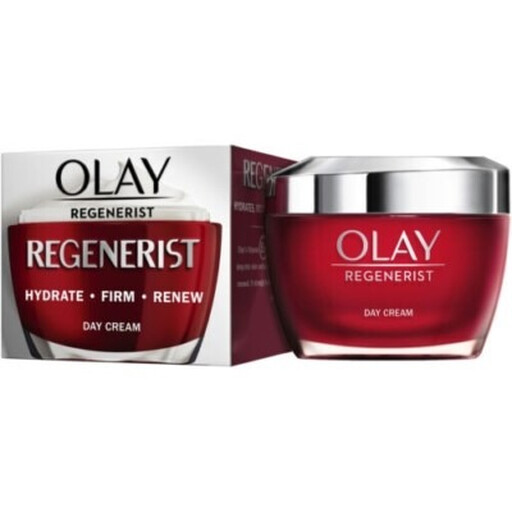
Why This Fits Their Persona: For those who want to actively target signs of ageing like fine lines and loss of firmness, this cream offers a potent, multi-ingredient approach. It feels luxurious without being greasy, making it a great daily-use product for mature skin.
It sidesteps the "fairy dust" trap by formulating with a combination of well-regarded ingredients—Niacinamide and Peptides—known for their effects on skin texture and firmness, providing substance over hype.
The formula is designed to deliver 24-hour hydration while actively working to visibly tighten skin and diminish the appearance of fine lines and wrinkles.
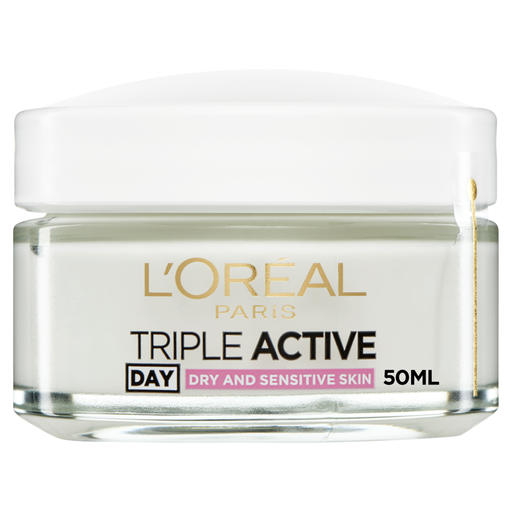
Why This Fits Their Persona: Anyone whose skin feels constantly tight, uncomfortable or reacts easily will appreciate this cream's focus on comfort and protection. It's a reliable daily moisturiser that provides lasting hydration without causing irritation.
This is the antidote to the "one-size-fits-all" moisturiser. It is explicitly formulated for dry and sensitive skin, focusing on barrier-reinforcing ingredients like Ceramide and Vitamin B5 rather than generic fillers.
Its triple-action formula provides long-lasting hydration, helps protect against environmental aggressors with a UV filter and reinforces the skin's protective barrier for enhanced comfort.
We have compiled a complete, real-time list of products that fully satisfy these strict selection criteria and UK safety regulations.
Give your skin time to adjust. For general hydration, you should notice a difference in skin comfort and softness within a few days. For targeted concerns like reducing the appearance of dark spots or fine lines, you should use the product consistently for at least 4-8 weeks to see visible changes, as skin cell turnover takes time.
If you are new to retinol, it's advisable to start slowly. Begin by applying it two or three nights a week and observe how your skin responds. If you experience no significant irritation, you can gradually increase the frequency. Some people's skin can tolerate nightly use, while others find that every other night is sufficient. Always use SPF the following morning, as retinol can make your skin more sensitive to the sun.
For typical daily activities in the UK, a day cream with SPF 20-30 is generally sufficient for incidental sun exposure, like a short walk to the shops or your commute. However, if you plan to spend an extended period outdoors, especially on a sunny day, it is highly recommended to apply a separate, dedicated sunscreen with a higher SPF (30-50) and reapply it every two hours for proper protection.