
24/7 Customer Support

Free returns

Same-day & Next-day Delivery

Quality Guaranteed

Unlock Your Welcome Offers: FREE Delivery | Up to 80% OFF | Free 30-day JoyPlus trial
Download the APP
Navigating the world of skincare can feel like a full-time job. With shelves lined with countless tubs and tubes, all promising transformative results, it is easy to end up with a bathroom cabinet full of products that do not quite work for you. A good face moisturiser is the cornerstone of any routine, but choosing the right one involves looking past the marketing noise.
As a Joybuy Product Recommendation Officer, my role is to help you identify what truly matters. Many consumers in the UK find themselves caught in a cycle of buying and discarding moisturisers that either fail to deliver or, worse, aggravate their skin. This often stems from a few common purchasing traps:
By understanding a few core principles, you can select a product that genuinely meets your skin's needs without wasting money.
To make an informed choice, focus on the formula's function and ingredients rather than just its marketing claims. Here are the non-negotiable factors to consider.
A well-formulated hydrating face cream works on multiple levels. Look for a balance of these three types of ingredients, tailored to your skin's requirements:
Beyond basic hydration, a modern face moisturiser can target specific issues. Identifying the right active ingredients is key.
The texture affects how the product feels and how it layers with other skincare and makeup.
Based on formulation, user profile suitability, and ability to address common skin concerns, here are a few standout options.
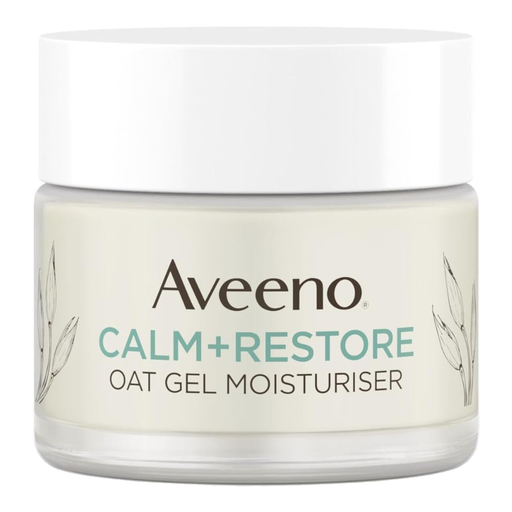
Why This Fits Their Persona: Ideal for the UK resident whose skin reacts to weather changes, pollution or harsh products. This moisturiser provides immediate comfort and hydration without the risk of irritation from fragrance or heavy oils.
It sidesteps the "one-size-fits-all" trap by being specifically formulated for sensitive skin. Its value comes from a proven complex of Prebiotic Oat and Calming Feverfew, not a single, overhyped ingredient.
Lightweight, fast-absorbing gel texture that soothes on contact. It is fragrance-free, non-comedogenic and dermatologist tested for sensitive skin.
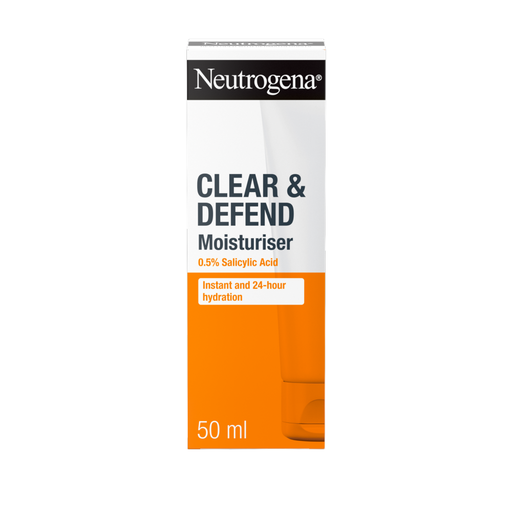
Why This Fits Their Persona: Perfect for students or anyone on a budget dealing with breakouts. It provides necessary hydration without contributing to oiliness or congestion, making it a reliable daily choice for clearer-looking skin.
This moisturiser avoids misleading texture claims. It is an oil-free formula that delivers on its promise to hydrate without clogging pores, thanks to the inclusion of a proven active, Salicylic Acid.
Contains 0.5% Salicylic Acid to help prevent spots. The oil-free formula provides hydration while Aloe Vera and Chamomile help to soothe the skin.
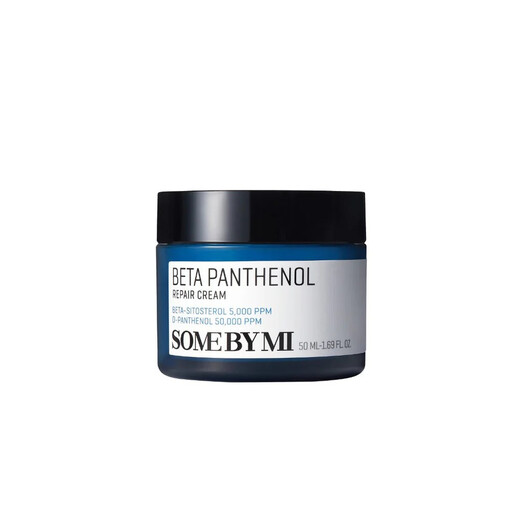
Why This Fits Their Persona: For the skincare enthusiast who understands the importance of a healthy skin barrier, especially after using active ingredients like retinol or acids. This Korean moisturiser offers a sophisticated solution for deep repair and long-lasting hydration.
It defies the "miracle ingredient" fallacy by building its efficacy on a patented, multi-ingredient complex (Beta-Panthenol) and a supportive blend of ceramides and probiotics, demonstrating the power of a well-engineered formula.
Features a patented complex with D-Panthenol and Beta-Sitosterol to soothe and repair. The formula also includes multiple ceramides and probiotics to reconstruct the skin's lipid barrier.
We have compiled a complete, real-time list of products that fully satisfy these strict selection criteria and UK safety regulations.
A damaged skin barrier often presents as increased sensitivity, redness, persistent dryness, tightness or a stinging sensation when applying products that you previously tolerated. Your skin might also look dull or feel rough to the touch. If you are experiencing these signs, incorporating a barrier repair cream with ingredients like ceramides, panthenol and fatty acids can help restore its function.
Yes, this is a common scenario for those with combination skin. You can apply a lightweight moisturiser for oily skin all over your face and then layer a richer cream or a small amount of an emollient-rich product only on the dry patches (like cheeks or around the nose). This targeted approach ensures all areas of your face get the appropriate level of hydration without causing congestion in the oilier T-zone.
Give a new moisturiser at least two to four weeks of consistent use. It takes time for your skin to adjust and for the benefits, such as improved hydration or a stronger barrier, to become apparent. An immediate negative reaction like a rash or breakouts is a clear sign to stop, but for performance, patience is key. Skin cell turnover takes approximately 28 days, so this period allows you to observe how your skin responds through a full cycle.