
24/7 Customer Support

Free returns

Same-day & Next-day Delivery

Quality Guaranteed

Unlock Your Welcome Offers: FREE Delivery | Up to 80% OFF | Free 30-day JoyPlus trial
Download the APP
Face powder can set makeup, reduce shine, blur the look of pores or provide enough coverage to replace liquid foundation. However, choosing the wrong formula can leave skin looking dry, cakey, grey or noticeably heavier than intended.
UK shoppers often encounter three common marketing traps:
The most important decision is whether you need a setting powder, finishing powder or powder foundation.
If you want to even out the complexion, search for sheer-to-medium coverage powder or powder foundation. If your priority is makeup longevity, a lightweight makeup setting powder may be more suitable.
A matte or oil-control powder can be useful for oily and combination skin, particularly across the forehead, nose and chin. Ingredients such as silica, corn starch, kaolin and mica may contribute to oil absorption or a soft-focus appearance, but the ingredient list should be checked if you have known sensitivities.
For dry or dehydrated skin, a very mattifying formula can emphasise flaky areas. A satin or naturally luminous finish may look more comfortable. Apply only where needed rather than powdering the entire face heavily.
Those searching for face powder for oily skin should also consider the application method. Pressing powder onto the T-zone with a puff can provide more targeted control than sweeping a thick layer across the cheeks.
Ingredient preferences vary. Shoppers looking for a talc-free face powder, vegan face powder or fragrance-free formula should verify the current packaging, as formulations can change.
For sensitive or acne-prone skin, terms such as “non-comedogenic”, “non-acnegenic” or “allergy tested” describe product positioning and testing information, but they do not guarantee that every person will tolerate the formula. Patch testing and stopping use if irritation develops are sensible precautions.
An SPF powder foundation can provide labelled mineral UV filters, but it should not automatically replace a dedicated sunscreen. Follow the product’s instructions, apply sufficient sunscreen separately where appropriate and reapply as directed. SPF 15 is a modest level of protection and does not remove the need for broader sun-protection habits.
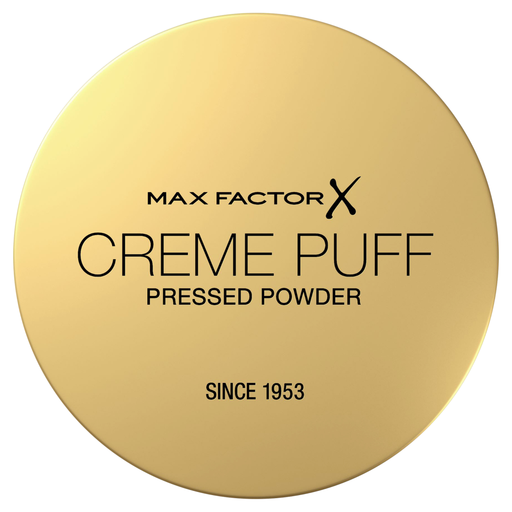
Why This Fits Their Persona: The compact format and included puff make it straightforward for everyday application without needing a separate brush.
Its stated medium-to-high coverage makes its role clearer than a product labelled only as translucent. Shoppers should note that the ingredient list includes fragrance components.
Pressed 14g format; supplied with a soft puff; designed for a matte finish and oil absorption.
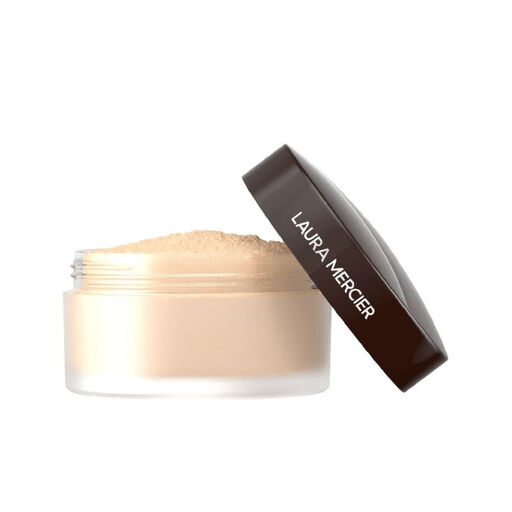
Why This Fits Their Persona: The 29g loose format suits shoppers who regularly set makeup and prefer a pressing-and-rolling application technique.
It is clearly positioned as a loose setting powder rather than a full-coverage base. The listed formula includes talc, so ingredient preferences should be checked before purchase.
Large 29g size; fragrance-free listing; ultra-fine texture designed to absorb excess oil and set makeup.
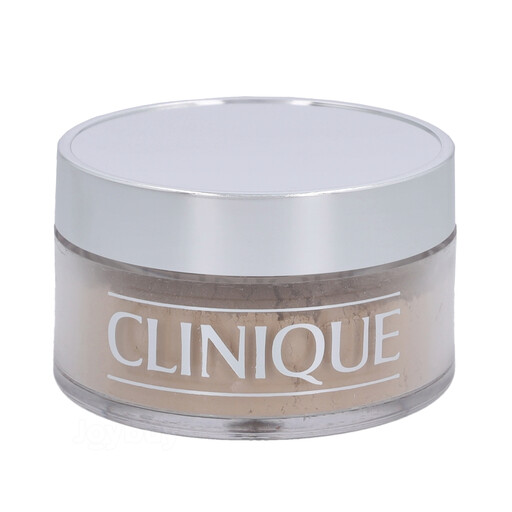
Why This Fits Their Persona: The 25g loose powder is suitable for frequent setting and targeted T-zone touch-ups during long working days or travel.
The Invisible Blend shade is described as undetectable, but applying a small amount and checking in daylight helps prevent excess powder or a mismatched cast.
25g capacity; light-reflecting, superfine texture; listed to absorb surface oil and provide a natural finish.
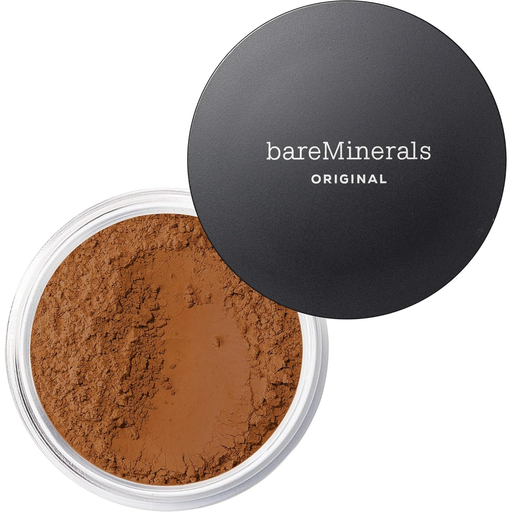
Why This Fits Their Persona: This loose mineral foundation suits shoppers wanting buildable complexion coverage and a talc-free, vegan-listed formula.
It is labelled as a foundation, so it is intended to provide more pigment than a finishing powder. Shade #23 is described for light-to-medium tones with golden undertones, making shade checking essential.
Sheer-to-full buildable coverage; talc-free and vegan-listed; mineral SPF 15 ingredients are titanium dioxide and zinc oxide.
We have compiled a complete, real-time list of products that fully satisfy these strict selection criteria and UK safety regulations.
Loose powder often offers a finer application for setting makeup, while pressed powder is easier to carry and use for touch-ups. The choice depends on whether portability or a lightweight setting effect matters more.
Cosmetic lifespan varies by formula, storage and usage. Keep the container closed, store it away from heat and humidity and follow the period-after-opening symbol or packaging guidance. Replace powder if its smell, colour or texture changes.
A powder foundation can be worn alone and may provide sheer-to-full coverage. A translucent or finishing powder generally cannot conceal as much, as its primary purpose is setting, oil control or soft-focus smoothing.