
24/7 Customer Support

Free returns

Same-day & Next-day Delivery

Quality Guaranteed

Unlock Your Welcome Offers: FREE Delivery | Up to 80% OFF | Free 30-day JoyPlus trial
Download the APP
Buying face powder make-up can seem straightforward until a compact looks chalky, a loose powder creates flashback in photos or a blush shade disappears after an hour. UK shoppers also need to consider indoor heating, changing weather, commuting and the practical need for quick touch-ups.
The right choice depends less on attractive packaging and more on the formula, shade depth, finish and how you intend to use it. This guide highlights common buying traps, the specifications worth checking and our top recommendations for different make-up routines.
Terms such as long-lasting make-up powder, sweat-resistant or all-day wear describe intended performance, not a guarantee for every person. Skin type, skincare, foundation, humidity and application method all affect the result.
For oily or combination skin, look for ingredients such as silica, talc, starches or oil-absorbing powders, while dry skin may prefer a satin or radiant face powder with emollient ingredients. Apply thin layers rather than pressing on a large amount, which can make texture more visible.
“Translucent”, “universal” and “natural” do not always look identical across skin tones. Some loose powders contain brightening pigments that may appear pale or create a white cast under flash photography. A powder foundation also needs a close match for depth and undertone, particularly when used without liquid foundation.
Check whether the product is designed to add colour, set make-up or provide coverage. These are different functions:
A face palette can be economical if you regularly use several shades. However, glitter, shimmer, blush and contour colours may not all work for the same complexion or occasion. Check the texture of each pan, the shade depth and whether the palette includes genuinely useful neutral tones.
Cream-to-powder make-up can offer a different application experience: it starts with a balm-like or creamy feel and sets to a powder finish. It may be useful for cheeks or shimmer, but it is not automatically a substitute for a mattifying setting powder.
A matte finish can reduce visible shine, making it a practical option for the T-zone or long days at work. A satin finish gives a softer, less flat appearance and can suit normal or combination skin. Radiant formulas reflect light and work well on cheekbones, but applying them across textured areas may draw attention to unevenness.
For a natural everyday look, consider a finely milled powder with sheer or buildable coverage. For events and photography, check the ingredient list and apply sparingly before assessing the finish in natural light.
Coverage should match the job. A sheer powder can even out light discolouration, while a buildable formula allows you to increase colour gradually. This is especially useful for buildable blush, contour powder and powder foundation, where excessive pigment can be difficult to blend.
Look for directions explaining whether the product should be be swept, pressed or layered. A brush usually gives a lighter result; a puff or sponge can provide more concentrated coverage.
For make-up for all skin tones, assess the actual available shade options rather than relying on broad wording. Warm, cool, neutral and olive undertones can make a noticeable difference, especially with contour and powder foundation.
Before purchase, review:
UK cosmetic products should have appropriate labelling and a responsible person. That does not remove the need to read the packaging, avoid damaged skin and stop use if irritation occurs.
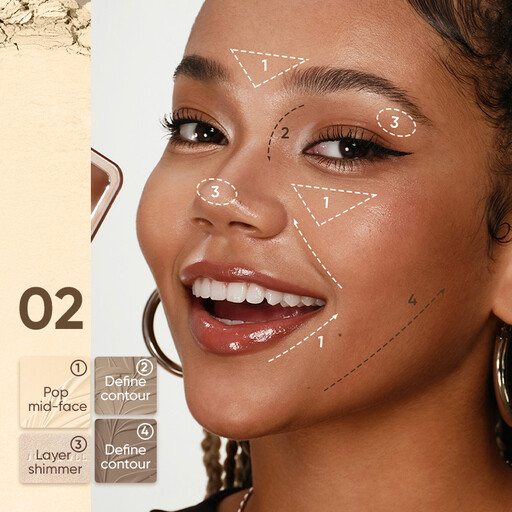
Why This Fits Their Persona: A compact three-part palette can help beginners practise definition and highlighting without buying separate contour, matte highlight and shimmer products.
The palette lists separate contour, matte brightening and shimmer highlight steps, making each shade’s role clearer than an unlabeled multi-use compact.
Three functions in one 9g palette; shade 02 uses neutral warm tones and is listed for most skin tones, especially warm undertones.
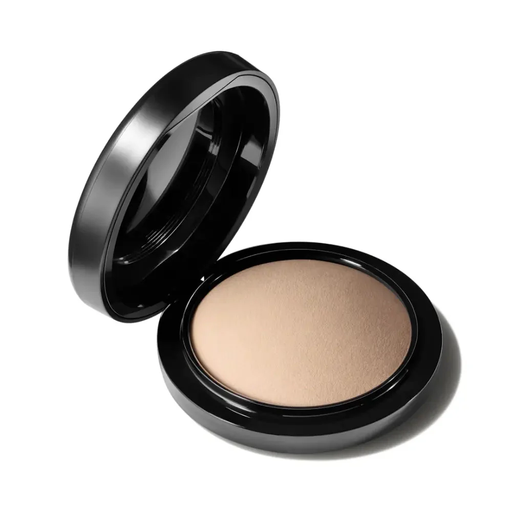
Why This Fits Their Persona: This pressed face powder suits shoppers wanting a polished compact for light everyday coverage, setting or targeted touch-ups.
Its listed sheer-to-medium coverage gives more control than choosing a heavy powder foundation for every situation.
10g compact with built-in mirror; the Light Plus shade is described as pale golden beige for light to medium skin with warm or golden undertones.
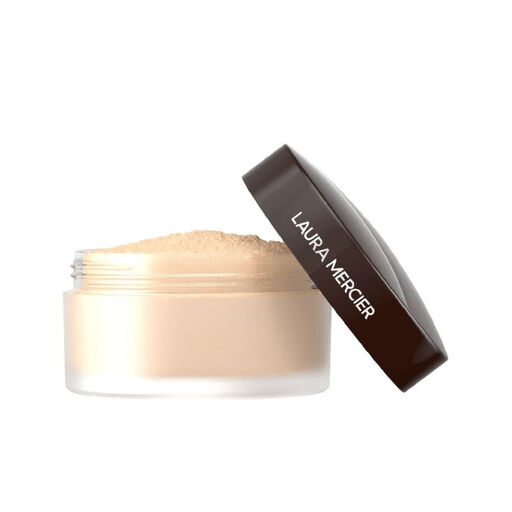
Why This Fits Their Persona: A 29g loose powder is suited to frequent make-up users who set foundation regularly or need shine control for lengthy working days and occasions.
The loose format is intended for pressing and rolling into make-up, helping users avoid sweeping excessive powder across the face.
Ultra-fine texture; fragrance-free and non-comedogenic according to the supplied product information.
We have compiled a complete, real-time list of products that fully satisfy these strict selection criteria and UK safety regulations.
Pressed powder is generally easier to carry and control, making it practical for work, commuting and travel. Loose powder can be useful for setting larger areas or managing shine, but it requires more careful storage and application.
Cosmetic lifespan varies by formula, storage and how often the product is opened. Follow the period-after-opening symbol and packaging guidance. Replace powder if its smell, colour, texture or performance changes, and avoid sharing compacts or applicators.
Yes, but preparation and formula matter. Apply moisturiser first, choose a satin or radiant finish and use a small amount. Heavy layers of matte powder may emphasise dry patches, while a light application of powder foundation can provide controlled coverage without a thick finish.