
24/7 Customer Support

Free returns

Same-day & Next-day Delivery

Quality Guaranteed

Unlock Your Welcome Offers: FREE Delivery | Up to 80% OFF | Free 30-day JoyPlus trial
Download the APP
A face scrub can help remove surface build-up, excess oil and dead skin cells, but the wrong formula may leave your skin feeling tight, irritated or rough. UK shoppers often face a crowded shelf of “deep cleansing”, “daily” and “pore refining” products, with labels that do not always explain how strong the exfoliation really is.
Before buying an exfoliating face scrub, look beyond the front of the tube. The particle type, active ingredients, recommended frequency and product size all affect whether it suits your routine.
A daily face scrub may be designed for regular use, but that does not mean every complexion will tolerate it twice a day. Physical particles, cleansing agents and active ingredients can combine to create a stronger formula than expected.
If your skin is dry, sensitive or easily reactive, start with a gentle face scrub once or twice a week. Oily or combination skin may prefer more frequent use, provided there is no persistent dryness, stinging or redness.
A blackhead scrub should not feel aggressively abrasive. Larger, uneven particles can encourage hard rubbing, particularly around the nose and chin. This may make skin feel temporarily smooth without addressing the cause of congestion.
Look for fine cellulose, silica, bamboo or other evenly distributed exfoliating particles. Massage lightly rather than pressing firmly, and avoid active breakouts, damaged skin and the eye area.
Terms such as “clearer”, “radiant” and “pore cleansing” describe the intended cosmetic effect, not a promise that every user will see the same outcome. Product performance can vary according to skin type, existing routine and frequency of use.
A salicylic acid face scrub may be worth considering for oily or blemish-prone skin, but check the concentration and the full ingredient list. If you already use leave-on acids, retinoids or other exfoliating products, adding another exfoliant may increase the chance of irritation.
Face scrubs generally use physical particles, chemical exfoliating ingredients or a combination of both. Physical particles such as cellulose, silica, perlite, sugar or bamboo-derived materials work on the skin’s surface. Salicylic acid is a beta hydroxy acid commonly included in pore-focused formulas.
For a mild face exfoliator, choose a creamy or foaming texture with fine particles. Sugar-based products can feel richer because they often include oils or butters, while silica and cellulose formulas may feel lighter.
Read the INCI list rather than relying only on the product name. Salicylic acid, niacinamide, zinc PCA, glycerin and panthenol are examples of ingredients shoppers may wish to compare. Glycerin and panthenol are used in many skincare formulas for their conditioning properties, while zinc PCA and niacinamide are often found in products aimed at oily-looking skin.
Fragrance, alcohol denat., menthol and essential-oil components may be unsuitable for some sensitive users. This does not automatically make a product unsuitable, but it is a reason to check your own tolerance.
A 150ml tube may offer practical value for a daily cleansing format, while a 50ml or 75ml product may suit occasional use or travel. Frequency matters more than the headline size: a product used once weekly can last longer than a daily face scrub.
Follow the packaging instructions. Use lukewarm water, apply light pressure and moisturise afterwards if your skin feels dry. Products containing salicylic acid may require extra attention to sun protection during daytime use.
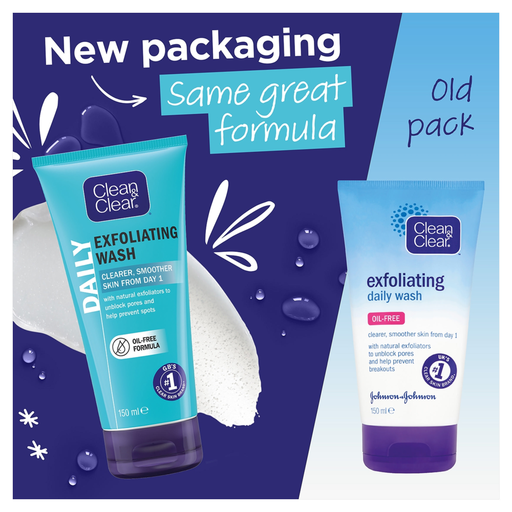
Why This Fits Their Persona: A straightforward 150ml wash-and-scrub format for shoppers building a simple facial cleansing routine at home.
Its product information identifies natural exfoliators and an oil-free formula, helping shoppers avoid choosing a heavy scrub solely because it promises deep cleansing.
Contains cellulose exfoliators and glycerin; the 150ml size is practical for regular facial cleansing.
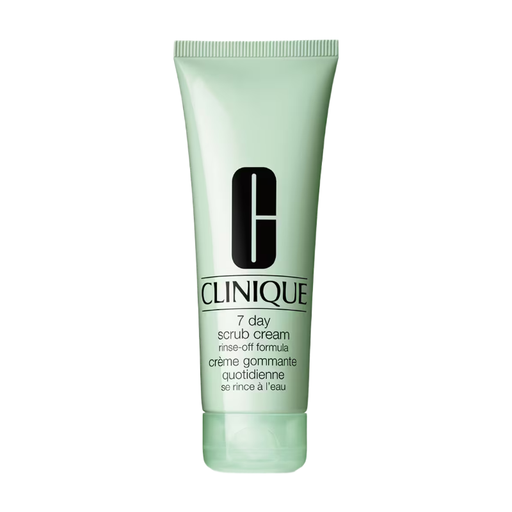
Why This Fits Their Persona: A creamy rinse-off option for shoppers who prioritise a fragrance-free formula and a controlled, gradual introduction to exfoliation.
The instructions recommend starting two to three times weekly rather than assuming immediate daily use is appropriate.
Uses silica as the exfoliating material and is listed as 100% fragrance free, with a 100ml cream texture.
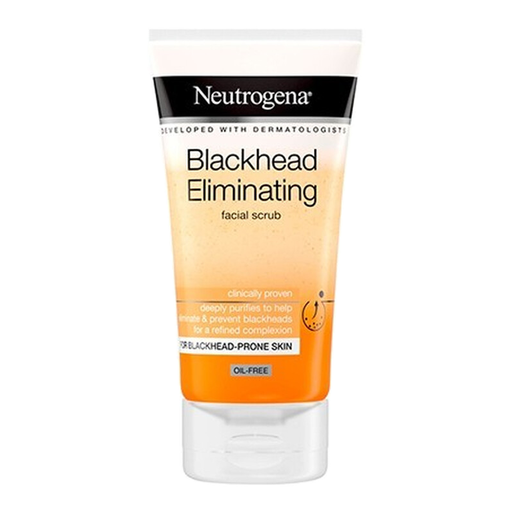
Why This Fits Their Persona: Suits shoppers specifically comparing a salicylic acid face scrub with physical exfoliation for congested, oily or blackhead-prone areas.
The ingredient list states 2% salicylic acid, while the usage guidance highlights gentle massage and moisturiser afterwards.
Combines salicylic acid with exfoliating cellulose beads in a 150ml format; the product guidance includes sun-protection advice.
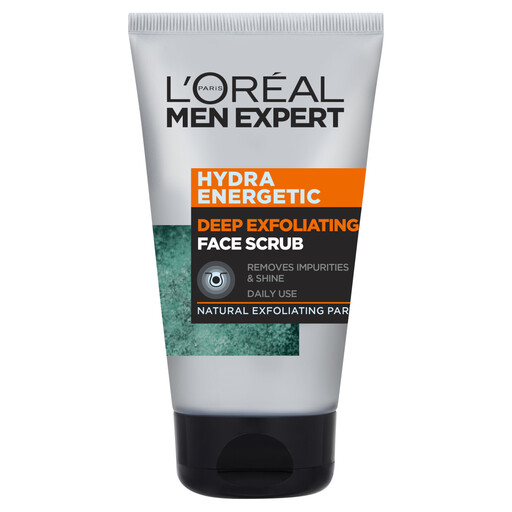
Why This Fits Their Persona: A compact men’s face scrub for morning or evening use when removing surface oil and everyday impurities is the main priority.
Its stated purpose is clear: natural exfoliating particles help unblock pores, rather than relying only on broad “radiance” language.
Contains perlite, silica and salicylic acid; the 100ml tube is easy to store in a bathroom or travel wash bag.
Do not combine several physical scrubs in one routine. A pore-cleansing face scrub is not a substitute for professional advice where persistent or painful skin concerns are present.
We have compiled a complete, real-time list of products that fully satisfy these strict selection criteria and UK safety regulations.
Only if the specific product instructions support frequent use and your skin remains comfortable. Many facial scrub formulas are more suitable once or twice weekly, particularly for sensitive or dry skin. Start slowly and reduce use if tightness or irritation develops.
Some acne-prone shoppers choose a salicylic acid face scrub, but physical exfoliation may be unsuitable over inflamed or broken areas. Check the warnings, avoid aggressive rubbing and do not layer several exfoliating products without considering the total routine.
This depends on tube size, how much you use and frequency. A 150ml exfoliating face wash used sparingly may last longer than expected, while a 50ml product used weekly can also provide several months of use. Check the packaging for storage and period-after-opening guidance, and review the current ingredient list before purchase.