
24/7 Customer Support

Free returns

Same-day & Next-day Delivery

Quality Guaranteed

Unlock Your Welcome Offers: FREE Delivery | Up to 80% OFF | Free 30-day JoyPlus trial
Download the APP
A face scrub can help lift surface build-up, excess oil and dead skin cells, but the wrong formula may leave skin feeling tight, rough or uncomfortable. UK shoppers often compare products by phrases such as “deep cleansing”, “pore tightening” and “daily exfoliation”, yet these labels do not always explain how strong the exfoliating action is or whether it suits your skin.
This guide from the Joybuy Product Recommendation Officer filters the practical details that matter before you buy, from exfoliating particles and acids to usage frequency and fragrance.
A rough texture or intense cooling sensation can make a product feel powerful, but that does not necessarily mean it is more suitable. Physical particles, salicylic acid, fruit acids and PHA all exfoliate differently. Using several strong products together may increase dryness and discomfort.
A gentle face scrub or facial exfoliator should match your skin’s tolerance rather than simply providing the most noticeable sensation.
Some exfoliating face wash products are labelled for daily use, while others are designed for once or twice weekly application. Daily use may be convenient for some oily skin routines, but sensitive or dry skin may need longer gaps between applications.
Always follow the individual product directions, begin gradually and reduce use if your skin feels irritated. A daily face scrub is not automatically the right choice for every person.
A scrub can remove surface residue and make skin feel smoother after rinsing. However, claims about permanently shrinking pores or eliminating blackheads should be treated carefully. Pore appearance can vary with oil, hydration, lighting and skin texture.
For a pore-clearing scrub, check the complete ingredient list and the intended use rather than relying solely on front-of-pack claims.
Physical exfoliation uses particles such as cellulose, silica, rice powder, sugar or plant-derived powders. It is applied with light pressure and rinsed away. Avoid vigorous rubbing, especially around the nose, cheeks and eye area.
Chemical exfoliation uses ingredients such as salicylic acid, gluconolactone, lactic acid or other acids. Salicylic acid is oil-soluble and is commonly included in products aimed at oily or congested skin. PHA, such as gluconolactone, is generally positioned as a milder option in products designed for more reactive skin.
Some formulas combine both approaches. If you already use a toner, serum or treatment containing acids or retinoids, avoid layering several exfoliating products without checking compatibility.
Look for ingredients that reflect your needs:
Ingredient order can provide a useful indication of the formula, but it cannot predict exactly how your skin will respond. Patch testing is sensible, particularly when trying a new acid or fragranced product.
A 70-pad exfoliating product offers pre-measured application and can be convenient for weekday routines. A 150ml exfoliating face wash may be more practical for regular cleansing, while a 50ml rinse-off scrub may suit occasional use.
Check the stated directions, seal packaging securely and store the product away from direct sunlight and heat. Keep all cosmetics for external use only, avoid the eyes and stop using the product if redness, itching, stinging or persistent discomfort develops. Apply daytime SPF when using acid exfoliants, as advised on the product information.
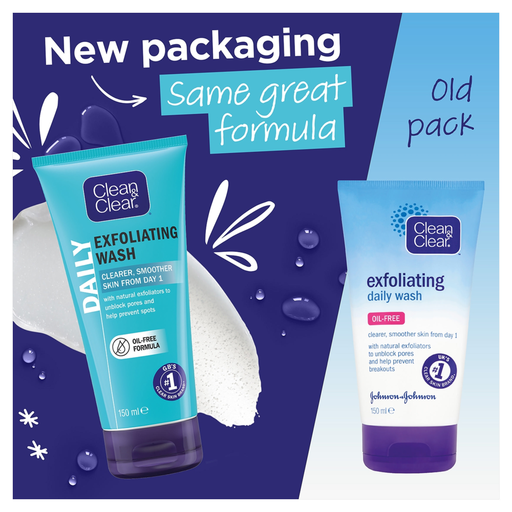
Why This Fits Their Persona: A straightforward wash-off format for shoppers building a simple facial exfoliation routine without adding a separate treatment step.
Its directions focus on gentle circular massage and rinsing, helping discourage the hard scrubbing that can make physical exfoliation uncomfortable.
150ml format; includes cellulose exfoliators and glycerin; product directions describe daily use.
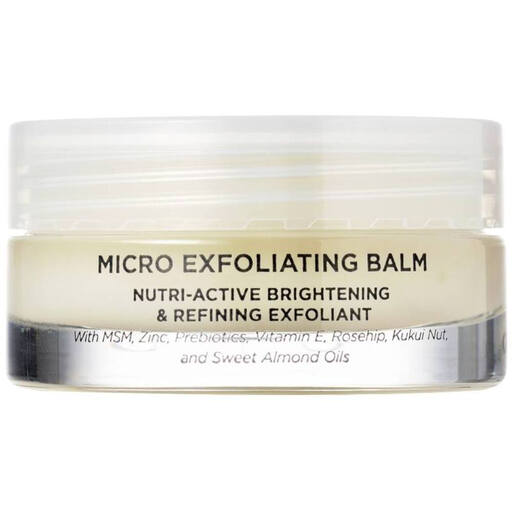
Why This Fits Their Persona: Suits shoppers who prefer a balm texture and a slower, occasional exfoliating ritual rather than a foaming cleanser.
The instructions specify gentle massage and use two to three times weekly, making its intended frequency clear.
Balm-to-milk texture; contains MSM granules, sweet almond oil and shea butter; 50ml size.
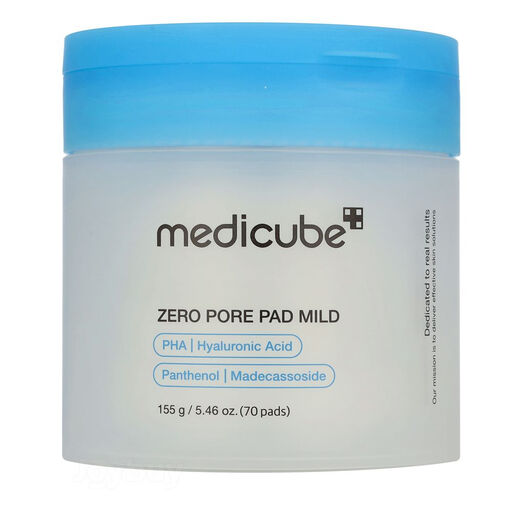
Why This Fits Their Persona: Pre-soaked pads offer controlled application for shoppers who find gritty face scrubs too abrasive or difficult to measure.
The dual-sided pad separates textured wiping from smoother finishing, while the formula uses PHA rather than relying only on coarse particles.
70 pads in a 155g pack; includes gluconolactone, panthenol and sodium hyaluronate; avoid eye and mouth areas.
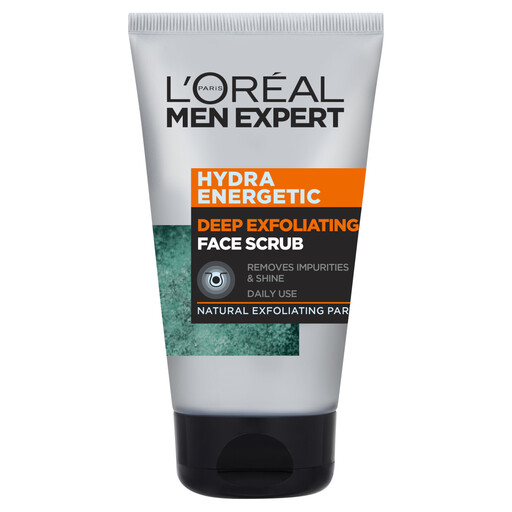
Why This Fits Their Persona: A compact option for men who want a rinse-off blackhead scrub after commuting, exercise or a long day.
The product information identifies its natural exfoliating particles and gives wet-skin directions, so buyers can assess it as a physical scrub rather than assume it is an acid treatment.
100ml tube; includes perlite, silica and salicylic acid; directions state morning and/or evening use.
We have compiled a complete, real-time list of products that fully satisfy these strict selection criteria and UK safety regulations.
Follow the directions on the individual product. A physical face scrub may be intended for one to three applications weekly, while some exfoliating face wash products state daily use. If your routine already includes acids, retinoids or blemish treatments, use extra caution and avoid applying multiple exfoliants at the same time.
Salicylic acid is commonly used in products aimed at oily or congested skin because it can help loosen surface oil and pore build-up. However, a salicylic acid face scrub may also contain physical particles, fragrance or cleansing agents that affect comfort. Check the full ingredient list, follow the directions and stop if irritation occurs.
There is no single lifespan for every product. Check the packaging for the period-after-opening symbol, expiry information, batch details and storage instructions. Close jars and tubes promptly, keep them cool and dry, and do not use a product whose smell, colour or texture has changed noticeably.