
24/7 Customer Support

Free returns

Same-day & Next-day Delivery

Quality Guaranteed

Unlock Your Welcome Offers: FREE Delivery | Up to 80% OFF | Free 30-day JoyPlus trial
Download the APP
A face scrub can make skin feel smoother after cleansing, but choosing the wrong formula may leave you with dryness, tightness or irritation. UK shoppers often face three common traps:
The practical approach is to match the exfoliating face scrub to your skin type, check the ingredient list and follow the usage instructions rather than relying on dramatic marketing claims.
Physical exfoliators work by using small particles to loosen dead skin cells and surface impurities. These may include cellulose, bamboo particles, rice powder, sugar or fruit-derived powders.
For normal or combination skin, a standard facial scrub may be suitable when used gently. If your skin is sensitive, look for a gentle face exfoliator with fine particles and a creamy or cushioning base. Avoid products that feel sharp, scratchy or difficult to rinse away.
A blackhead scrub may help remove surface oil and debris around congested areas, but it cannot replace a complete skincare routine. Avoid pressing harder in an attempt to clear pores more quickly.
Ingredient choice should reflect your main reason for buying a skincare scrub:
Always read the current packaging. Ingredients, warnings and directions can change, and the label is the appropriate reference for the product you receive.
Physical exfoliation does not need to be forceful or frequent. Start with the frequency stated on the label, using light circular movements and avoiding the eye area. If your skin is sensitive, begin less often and monitor how it feels over the following day.
Do not apply a face scrub to broken, inflamed or irritated skin. If redness, itching or discomfort develops, rinse thoroughly and stop using the product. A patch test may be sensible for shoppers who know they are prone to cosmetic reactions.
UK cosmetic products should display relevant usage information, ingredients and warnings. However, “suitable for sensitive skin” is not a guarantee that every individual will tolerate the formula.
The following options have different textures, ingredients and usage directions, so they are not interchangeable. Select according to your own skin needs rather than simply choosing the most heavily promoted claim.
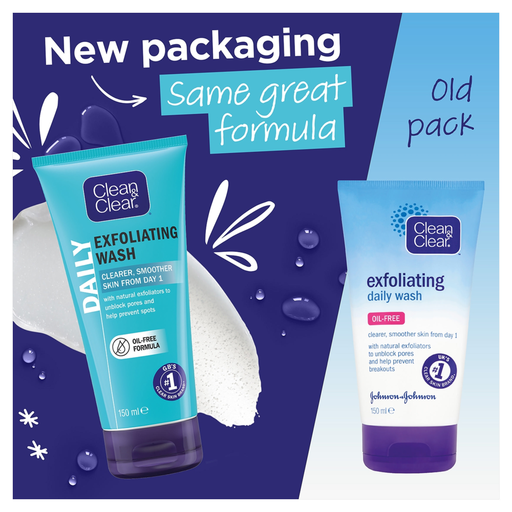
Why This Fits Their Persona: A straightforward wash-and-rinse option for shoppers starting a basic facial exfoliation routine, with a 150ml format for regular bathroom use.
Its directions specify gentle circular massage and avoiding the eye area, helping new users avoid aggressive scrubbing.
Contains cellulose exfoliators, glycerin and an oil-free formula; the listed directions describe daily use.
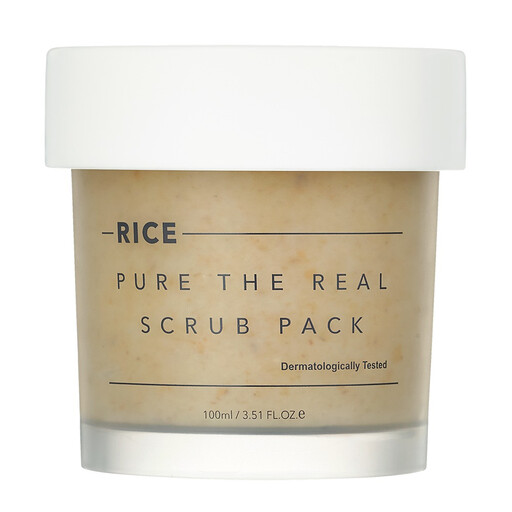
Why This Fits Their Persona: Suits shoppers who prefer a wash-off scrub and mask format, with a creamy texture and rice-based ingredients for occasional facial care.
The directions limit use to 1–2 times per week depending on sensitivity, reducing the temptation to exfoliate every day.
Includes rice powder, rice hull powder, rice bran extract, glycerin and ceramide NP.
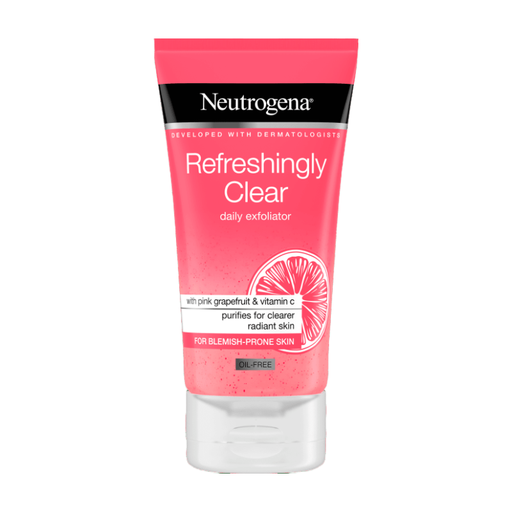
Why This Fits Their Persona: A practical choice for shoppers focusing on oily-looking or congested areas and seeking a face scrub with salicylic acid in the ingredient list.
The label gives a clear once-daily direction and advises gentle massage, rather than prolonged or forceful scrubbing.
Contains salicylic acid, sodium ascorbyl phosphate, pink grapefruit extract and natural exfoliators.
If you already use an acid exfoliant, retinoid or another potentially irritating product, avoid layering several exfoliating steps until you know how your skin responds.
We have compiled a complete, real-time list of products that fully satisfy these strict selection criteria and UK safety regulations.
Some facial scrubs provide daily-use directions, while others recommend one or two applications weekly. Follow the specific label and reduce frequency if your skin feels dry, tight or irritated. A daily face scrub is not automatically suitable for every person.
A blackhead scrub may loosen surface oil and dead skin cells, making pores look cleaner temporarily. It cannot guarantee removal of all blackheads, and forceful scrubbing may worsen discomfort. Choose a suitable formula and avoid squeezing congested areas.
There is no universal lifespan because it depends on the product size, frequency of use and amount applied. Keep the container closed, store it as directed and check the packaging for the period-after-opening symbol or expiry information. Replace it if the texture, colour or smell changes unexpectedly.