
24/7 Customer Support

Free returns

Same-day & Next-day Delivery

Quality Guaranteed

Unlock Your Welcome Offers: FREE Delivery | Up to 80% OFF | Free 30-day JoyPlus trial
Download the APP
A face serum can add targeted care to a simple cleanser-and-moisturiser routine, but choosing one based only on a glossy claim or a high ingredient percentage can lead to wasted money. UK shoppers often face three common traps:
The right facial serum should match your main concern, preferred texture and tolerance level. It should also fit comfortably into your existing routine rather than requiring several expensive products to work alongside it.
Start with one primary goal rather than combining multiple strong treatments at once.
Ingredient names matter more than promotional terms. For example, “collagen serum” may provide a conditioning or moisturising feel, but topical collagen should not be treated as equivalent to medical treatment or a guaranteed change in the skin’s structure.
A lightweight serum with a water-gel or fluid texture can suit oily, combination or warm indoor environments. Creamier formulas may be more comfortable for facial serum for dry skin, especially during colder UK weather.
Consider how much product you receive. A 30ml bottle is common, while 50ml, 55ml, 75ml and 300ml options may offer different value depending on how often you apply serum. Single-use ampoules can be convenient for travel and portion control, but create more packaging waste than a standard bottle.
Check the current ingredient list, batch details, shelf-life information and storage instructions printed on the product packaging. UK cosmetic products should display appropriate safety information and responsible-person details, but individual sensitivity still varies.
Before applying a new serum across your face:
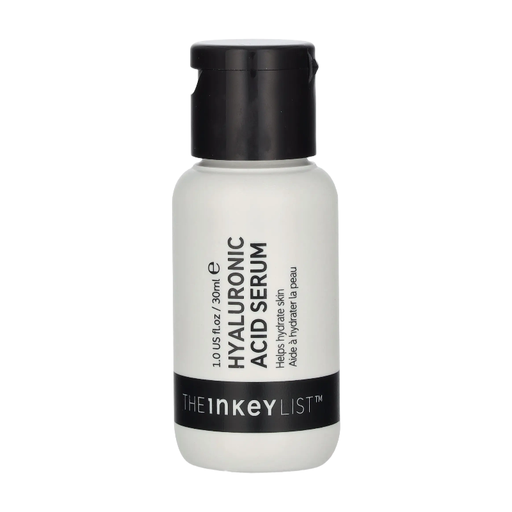
Why This Fits Their Persona: A compact option for beginners wanting a straightforward hydrator that can be used before moisturiser and make-up.
Its published ingredient list lets shoppers assess the formula instead of relying only on a front-label hydration promise.
Contains multi-molecular hyaluronic acid and peptides; fragrance-free according to the supplied product information.
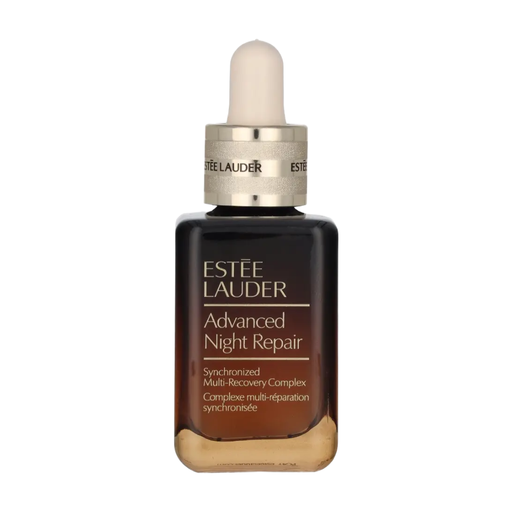
Why This Fits Their Persona: Suits shoppers seeking a more elaborate morning-and-evening formula with a familiar premium skincare format.
The ingredient list is available for checking, helping you assess fragrance, colour additives and individual compatibility before purchase.
Includes bifida ferment lysate, hyaluronic acid, peptide ingredients and a 30ml size.
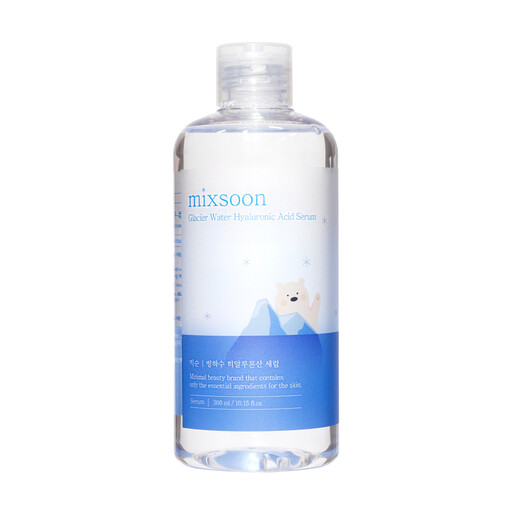
Why This Fits Their Persona: The 300ml format is practical for frequent users, generous layering or households sharing a simple hydration step.
The large net volume is clearly stated, making it easier to compare cost per millilitre rather than bottle appearance.
Water-light texture with glacier water and sodium hyaluronate; the supplied description highlights rapid absorption.
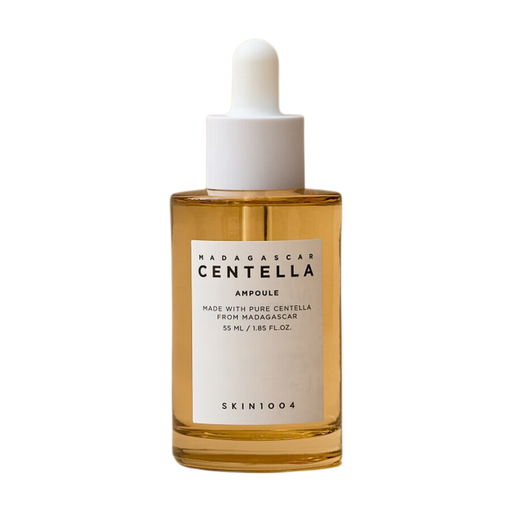
Why This Fits Their Persona: A short ingredient list and watery texture may appeal to shoppers who prefer fewer formula components and uncomplicated layering.
It avoids a long list of multiple featured actives, although a patch test remains sensible because individual tolerance varies.
The supplied INCI lists Centella Asiatica Extract at 100%; it comes in a 55ml bottle.
We have compiled a complete, real-time list of products that fully satisfy these strict selection criteria and UK safety regulations.
Apply serum after cleansing and, where suitable, toning. Water-based formulas generally go before creams and oils. Use a small amount on slightly damp skin when the product guidance allows, then apply moisturiser. In the morning, finish with broad-spectrum sunscreen.
Avoid automatically layering several products with overlapping purposes. For example, a hydrating face serum can usually sit comfortably beneath a brightening serum, but introducing retinoid derivatives, exfoliating acids and anti-ageing products together may increase the chance of discomfort. Keep the routine simple until you know how your skin responds.
No. A serum is an optional targeted step, not a replacement for cleanser, moisturiser or sunscreen. It can be useful when you want additional hydration, soothing ingredients or focused care for the appearance of dullness and visible lines.
This depends on the amount and frequency used. Applying two or three drops once or twice daily may make a 30ml bottle last several weeks, but pump size and personal application habits vary. Compare the stated volume and recommended dosage rather than assuming a larger-looking bottle offers more product.
Many hyaluronic acid formulas are designed for daily use, but follow the specific product instructions. Apply it to clean skin, avoid the eye area and follow with moisturiser. If tightness, redness or irritation occurs, stop using it and reassess the full routine.