
24/7 Customer Support

Free returns

Same-day & Next-day Delivery

Quality Guaranteed

Unlock Your Welcome Offers: FREE Delivery | Up to 80% OFF | Free 30-day JoyPlus trial
Download the APP
A face serum can be a useful addition to a skincare routine, but choosing one based on attractive packaging or dramatic claims can lead to wasted money. The right formula depends on your skin concern, ingredient preferences, texture and how consistently you are likely to use it.
Whether you are comparing a Korean skincare serum, a hydrating face serum or a targeted anti-ageing serum, look beyond phrases such as “instant transformation” or “deep repair”. These descriptions can be vague and do not always explain how the product will fit into your routine.
A percentage printed on the front of a bottle may refer to one highlighted ingredient rather than the whole formula. For example, a hyaluronic acid serum can support a moisture-focused routine, but it will still need a suitable moisturiser to help reduce water loss.
Check the full INCI ingredient list, especially if you have sensitive, acne-prone or reactive skin. Look for potential irritants such as fragrance, denatured alcohol, essential oils or exfoliating acids if these do not suit your skin.
A rich serum may feel comfortable on dry skin but can feel heavy when layered under sunscreen or make-up. Conversely, a very watery serum may not provide enough comfort for a weakened skin barrier.
Texture is particularly important when buying a facial ampoule or using several products together. Watery formulas usually work well after cleansing and toning, while richer products may be more suitable as the final treatment before moisturiser.
A brightening serum, soothing serum for sensitive skin and collagen serum have different purposes. Combining several highly active products at once may increase the chance of irritation and makes it difficult to identify which product is responsible for a reaction.
Choose one main objective first, such as hydration, visible dullness, redness or barrier support. Introduce new products gradually and follow the usage instructions on the packaging.
Match the main ingredients to your everyday needs:
Ingredient suitability varies from person to person. A patch test is sensible, particularly if you are trying a formula containing acids, botanical extracts, fragrance or a product such as a Reedle-style treatment.
Most dropper serums contain around 30ml, while larger pump bottles and ampoules may offer 50ml or more. Compare the amount used per application rather than judging value by bottle size alone.
Single-use vials can be convenient for travel, gym bags or users who prefer pre-measured portions. However, they create more packaging waste than a standard bottle. A pump may also be more convenient than a dropper if you want to limit contact between the formula and air.
Consider whether the serum is:
For daytime use, apply sunscreen as the final skincare step. A brightening product does not replace sun protection.
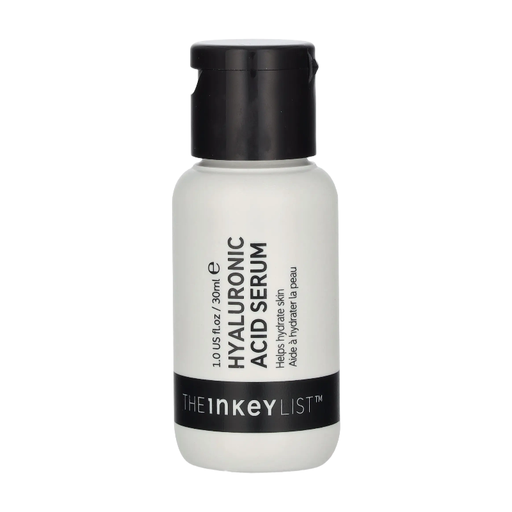
Why This Fits Their Persona: A straightforward option for first-time serum users who want a lightweight hydrator that can be used morning and evening beneath moisturiser.
Its stated 2% multi-molecular hyaluronic acid formula gives shoppers a clearer ingredient reference than relying on vague hydration language.
Fragrance-free, vegan and lightweight, with peptides included alongside hyaluronic acid.
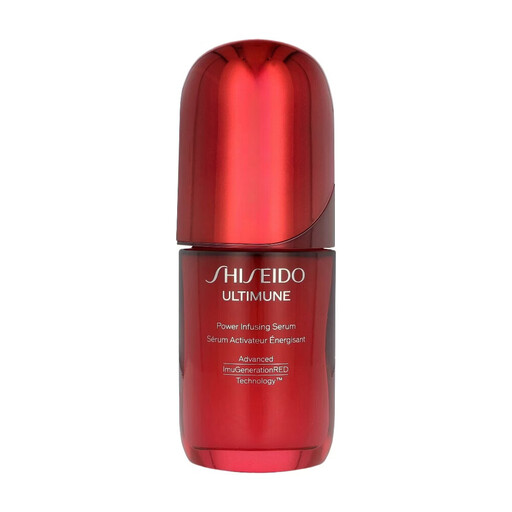
Why This Fits Their Persona: A larger 50ml format for shoppers who prefer a richer sensory experience and a pump-led morning and evening routine.
The pump and 50ml capacity make dosage and regular use easier to manage than an unlabeled or hard-to-control container.
Fast-absorbing texture with camellia-derived ingredients; note that the listed formula contains fragrance and alcohol denat.
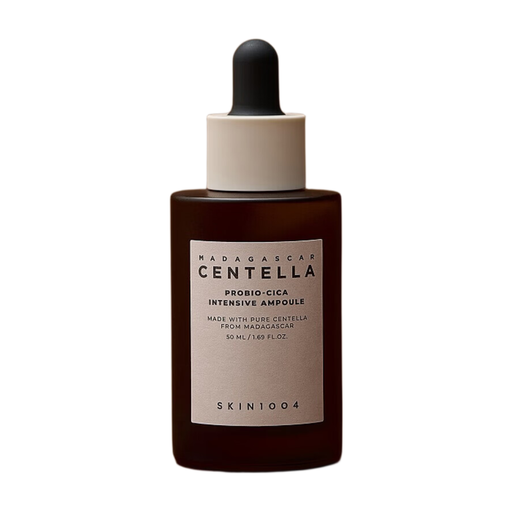
Why This Fits Their Persona: Designed for users prioritising a more comforting, milky ampoule texture and additional barrier-focused ingredients during dry UK weather.
The ingredient list identifies panthenol, allantoin, sodium hyaluronate and ceramide NP, rather than relying only on a general “repair” label.
50ml dropper format with centella ferment, ceramide NP and a milky liquid finish.
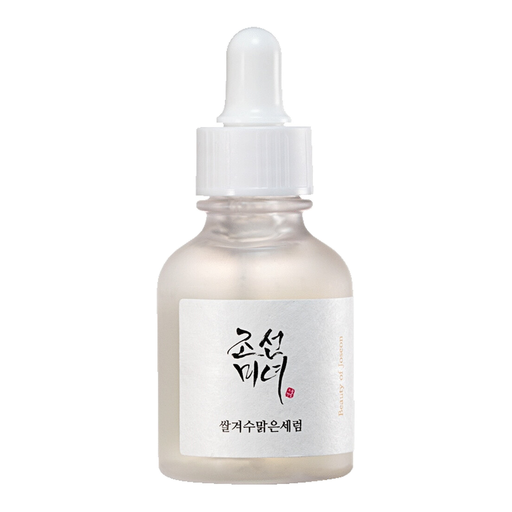
Why This Fits Their Persona: A lightweight Korean skincare serum for shoppers focusing on dull-looking skin and uneven tone without artificial fragrance or essential oils.
Its listed 2% alpha-arbutin content and full ingredient list provide clearer purchase information than an unspecified “glow” claim.
Contains rice bran water, alpha-arbutin, niacinamide and panthenol in a watery 30ml formula.
We have compiled a complete, real-time list of products that fully satisfy these strict selection criteria and UK safety regulations.
A 30ml serum commonly lasts several weeks to a few months, depending on whether you use it once or twice daily and how much you apply. Follow the recommended dosage rather than using excessive amounts. Keep the container closed and store it away from direct sunlight and heat.
Many hydrating and soothing formulas are designed for daily use, but this depends on the ingredient list. Products containing exfoliating acids, retinoids or unusual treatment technologies may require more careful introduction. Always follow the product instructions and avoid adding several new actives at the same time.
In most routines, serum is applied after cleansing and before moisturiser. This allows lighter textures to sit closer to the skin, while moisturiser helps provide a comfortable finishing layer. If you use more than one serum, apply the thinnest texture first and check that the products do not pill.