
24/7 Customer Support

Free returns

Same-day & Next-day Delivery

Quality Guaranteed

Unlock Your Welcome Offers: FREE Delivery | Up to 80% OFF | Free 30-day JoyPlus trial
Download the APP
A face serum can be a useful way to target dehydration, uneven tone, fine lines or dullness. However, the large choice of formulas makes it easy to buy a product that does not match your skin, routine or expectations.
The main problem is often not the price. It is choosing a serum based on a fashionable ingredient or impressive packaging rather than checking the full formula, application area and compatibility with your existing skincare.
A product labelled as a hyaluronic acid serum, niacinamide serum or vitamin C serum may sound highly targeted, but the ingredient list tells you more than the front label. The supporting ingredients affect texture, hydration, fragrance and how easily the product layers with moisturiser or sunscreen.
For example, a hydrating serum may contain humectants such as glycerin and sodium hyaluronate, but dry skin may still need a cream or lotion afterwards to reduce moisture loss.
Higher percentages are not automatically more appropriate. A concentrated brightening serum or retinal serum may be unsuitable for someone new to active skincare, particularly if several exfoliating or retinoid products are already being used.
Introduce one new active at a time, apply a small amount and follow the product directions. Stop using it if persistent redness, itching, swelling or discomfort occurs.
Skin can react differently depending on sensitivity, climate and the rest of your routine. Check for potential triggers, including fragrance, essential oils, alcohol or botanical extracts if you know your skin does not tolerate them.
For acne-prone skin, a lightweight, non-comedogenic-feeling texture may be preferable, although no product can guarantee that blemishes will not occur. For sensitive skin, patch testing is a sensible precaution.
A stated percentage is useful only when you understand what it refers to. A formula may list a botanical water or extract prominently while placing the primary active further down the ingredient list. Also check whether the texture is watery, gel-like, milky or oil-based.
Lightweight Korean skincare serum formulas can suit layering, while richer textures may be more comfortable for dry skin, mature skin or evening use.
Look for a complete ingredient list, usage instructions, warnings, volume and responsible supplier information. Products should be used externally and kept away from children. Check the packaging for the latest batch, shelf-life and storage guidance.
Airless pumps, sealed ampoules and opaque containers can be practical for formulas that need protection from light or air. Nevertheless, packaging does not replace proper storage or the manufacturer’s instructions.
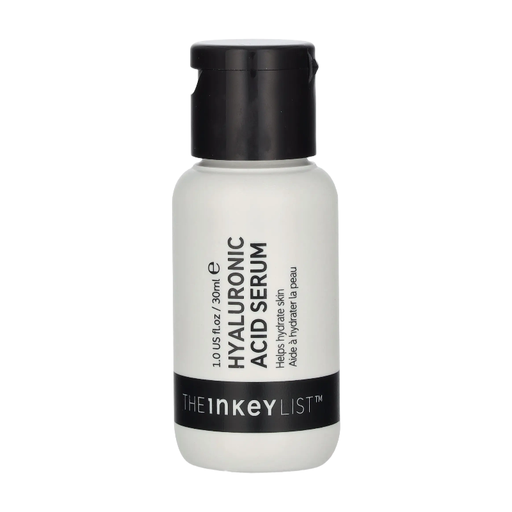
Why This Fits Their Persona: A straightforward starting point for shoppers in the UK who want daily hydration without a complicated routine. Its lightweight texture is designed for layering under moisturiser or make-up.
It focuses on a clearly stated 2% multi-molecular hyaluronic acid formula rather than relying only on vague “glow” language.
Fragrance-free, vegan and cruelty-free formula with hyaluronic acid and peptides.
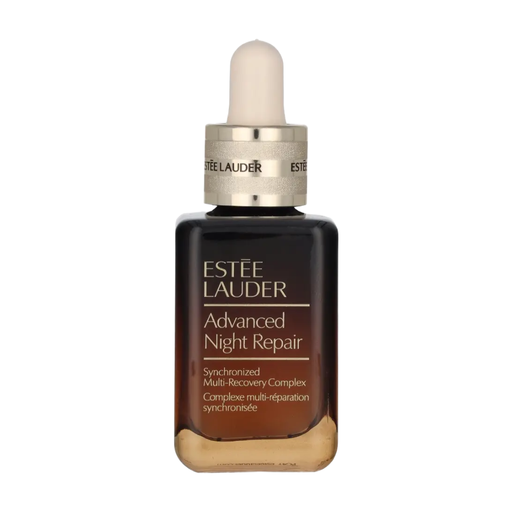
Why This Fits Their Persona: Suitable for shoppers seeking a more comprehensive face serum for evening and morning routines, particularly when hydration, dullness and visible fine lines are simultaneous concerns.
The product information identifies its texture, usage, moisture-supporting ingredients and warnings, allowing comparison beyond premium positioning.
Contains hyaluronic acid, squalane, peptide technology and a fast-absorbing, oil-free texture.
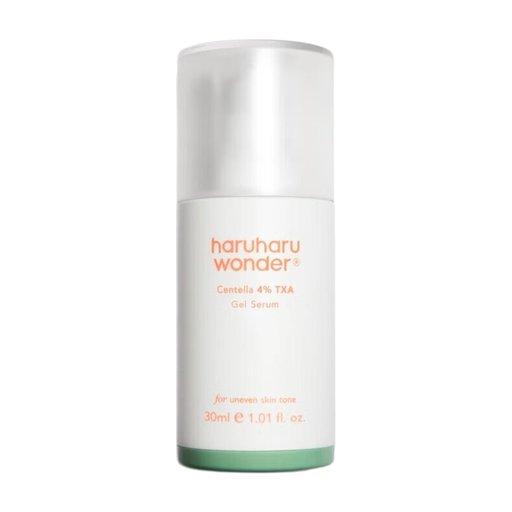
Why This Fits Their Persona: A targeted option for shoppers focusing on dark spots, post-blemish marks and uneven tone while preferring a lightweight Korean skincare serum.
The formula lists 4% tranexamic acid and 4% niacinamide, rather than presenting brightening as an unspecified promise.
Includes a Centella complex and an airless pump; the formula is listed as free from artificial fragrance and drying alcohol.
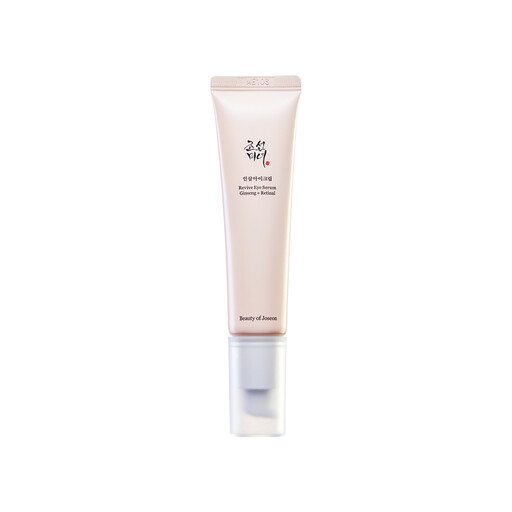
Why This Fits Their Persona: Designed for shoppers who want a dedicated eye serum for the appearance of fine lines, dullness and tired-looking eye contours.
It is clearly positioned for the eye area, with directions advising gentle application and gradual use for retinal beginners.
Combines ginseng extract, retinal, niacinamide and sodium hyaluronate in a lightweight gel texture.
We have compiled a complete, real-time list of products that fully satisfy these strict selection criteria and UK safety regulations.
This depends on the formula, packaging and frequency of use. Check the packaging for the period-after-opening symbol or storage instructions. Vitamin C, retinal and other sensitive formulas may need extra protection from heat, light and air.
Often, a simple hydrating serum can be layered with another treatment, but introduce products separately first. Apply the lighter texture first, then moisturiser. If either product contains retinal, exfoliating acids or a strong vitamin C formula, follow the manufacturer’s guidance and monitor your skin.
It can be, but suitability depends on the complete formula and your personal tolerance. Look for clear ingredient information, avoid known triggers and patch test before applying it across your face. Do not apply skincare to broken, infected or severely irritated skin unless advised by a healthcare professional.