
24/7 Customer Support

Free returns

Same-day & Next-day Delivery

Quality Guaranteed

Unlock Your Welcome Offers: FREE Delivery | Up to 80% OFF | Free 30-day JoyPlus trial
Download the APP
A face serum can be a useful step between cleansing and moisturising, but choosing one based only on a prominent ingredient or attractive packaging can lead to wasted money. The right formula depends on your skin concern, tolerance, preferred texture and the rest of your routine.
By Joybuy Product Recommendation Officer
A higher percentage does not automatically make a serum more suitable. Vitamin C, niacinamide, exfoliating acids and tranexamic acid may be useful for particular concerns, but the overall ingredient list also matters. Fragrance, alcohol, essential oils and multiple active ingredients may be less comfortable for some sensitive or reactive skin types.
Look beyond the front label and check the full INCI list, especially if you are seeking a serum for sensitive skin, acne-prone skin or a weakened barrier.
A serum may leave skin feeling immediately smoother, plumper or more dewy because of humectants, silicones or film-forming ingredients. These are user-perceivable texture benefits, but they should not be confused with permanent changes to pigmentation, fine lines or skin structure.
A brightening serum or dark spot serum should be used consistently, with realistic expectations. Daytime sunscreen remains important when your routine focuses on uneven skin tone or visible dark marks.
A rich, viscous serum may feel comfortable on dry skin but sit heavily beneath sunscreen or make-up. Conversely, an exceptionally watery formula may not provide enough comfort for dry or compromised skin.
Consider whether you prefer a fast-absorbing liquid, lightweight gel, milky ampoule or richer serum. Also check the bottle size: a 55ml product may offer more applications than a 30ml bottle, while single-use vials can be convenient for travel but create more packaging.
A 30ml face serum is a common size, while larger 50–55ml formats may be practical for all-over daily use. A watery serum can layer easily under moisturiser; an oil-containing or milky formula may suit someone who wants additional comfort at night.
Patch-test a new product before applying it across your face. Introduce one new active at a time, particularly when using vitamin C, salicylic acid, retinoids or exfoliating products elsewhere in your routine. Avoid applying serum to broken or irritated skin, keep it away from the eyes and stop using it if redness, itching or swelling develops.
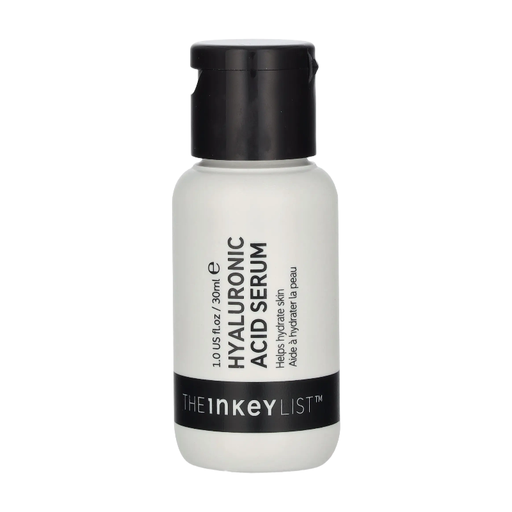
Why This Fits Their Persona: A straightforward starting point for UK shoppers who want an affordable, fragrance-free hydrating face serum that can sit beneath moisturiser and make-up.
The formula centres on hyaluronic acid, glycerin and peptides rather than an unnecessarily long list of competing actives.
2% multi-molecular hyaluronic acid; lightweight, vegan and fragrance-free formula.
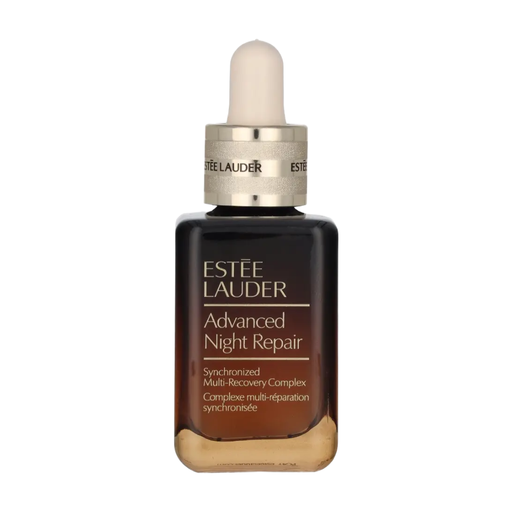
Why This Fits Their Persona: Suits shoppers looking for a more premium anti-ageing serum with a comfortable, oil-free texture for morning or evening use.
Its ingredient list can be reviewed directly rather than relying solely on broad claims about overnight transformation.
Contains hyaluronic acid, Tripeptide-32 and bifida ferment lysate; suitable for layering before moisturiser.
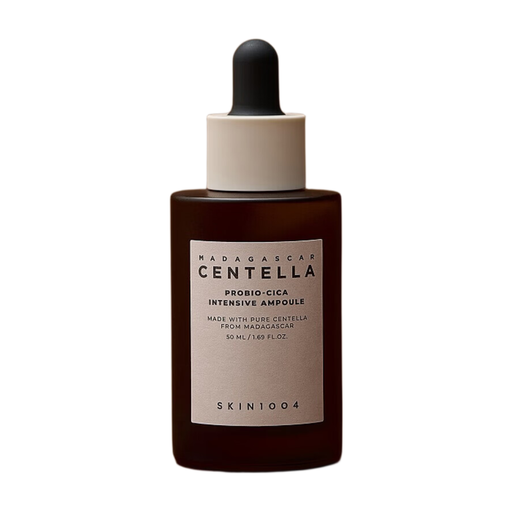
Why This Fits Their Persona: A practical choice for Korean skincare routines focused on a weakened-feeling barrier, dryness and a richer ampoule texture.
The formula lists fermented Centella, panthenol and ceramide NP, giving shoppers identifiable barrier-support ingredients to assess.
50ml format; includes Centella, probiotics, ceramides, panthenol and sodium hyaluronate.
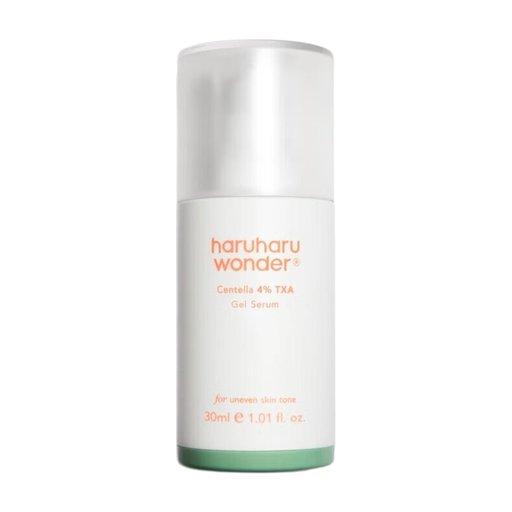
Why This Fits Their Persona: Designed for shoppers prioritising a dark spot serum and lightweight gel feel, including those who prefer a fragrance-free Korean skincare serum.
The product specifies 4% tranexamic acid and 4% niacinamide, making the active focus clearer than vague “glow” wording.
Contains Centella components and vitamin C derivatives; featherlight gel texture with an airless pump.
We have compiled a complete, real-time list of products that fully satisfy these strict selection criteria and UK safety regulations.
After cleansing, apply the amount stated on the packaging, usually a few drops or a pea-sized quantity. Hydrating formulas can be applied to slightly damp skin. Follow with moisturiser and use broad-spectrum sunscreen as the final morning step.
You can, but introduce products gradually. Avoid immediately layering several strong actives, such as vitamin C, salicylic acid and retinoids. A simple hydrating face serum can often be paired with a targeted serum, provided your skin remains comfortable.
Storage and shelf life vary by product. Keep the bottle closed, away from direct sunlight and heat, and follow the packaging guidance. Check the batch, expiry and period-after-opening information before use; changes in smell, colour or texture are reasons to replace it.