
24/7 Customer Support

Free returns

Same-day & Next-day Delivery

Quality Guaranteed

Unlock Your Welcome Offers: FREE Delivery | Up to 80% OFF | Free 30-day JoyPlus trial
Download the APP
A face serum can add a focused step to your skincare routine, but choosing one based only on a bold front-label claim can lead to wasted money. The right formula depends on your concern, ingredient tolerance, texture preferences and how easily it fits into your existing routine.
Whether you are comparing a brightening serum, hydrating serum, anti-ageing serum or Korean skincare serum, look beyond phrases such as “instant transformation” or “professional results”. A practical choice starts with understanding what the formula contains and what your skin can comfortably tolerate.
A larger number does not automatically mean a formula will suit your skin. Vitamin C serum shoppers may see a high concentration and assume it will be more effective, while those looking for a niacinamide serum may choose the strongest option available. However, higher-strength actives can feel uncomfortable for sensitive or recently over-exfoliated skin.
Check the type of active ingredient, not only its percentage. For example, a stable vitamin C derivative may be more practical for beginners than a highly acidic formula. Also consider supporting ingredients such as panthenol, glycerin, beta-glucan or hyaluronic acid.
A face serum is usually a concentrated treatment step rather than a replacement for cleansing, moisturising or sun protection. A dark spot serum or brightening serum cannot compensate for inconsistent daytime SPF use, particularly when uneven tone is your primary concern.
Most serums should be applied after cleansing and, if used, toner. Follow with moisturiser to reduce moisture loss. In the morning, finish with a broad-spectrum sunscreen.
A product may be promoted for one headline ingredient but also contain alcohol, fragrance, essential oils or exfoliating acids. These ingredients are not automatically unsuitable, but they may matter if your skin is sensitive, dry or blemish-prone.
Read the full ingredient list and check the product warnings. If you are prone to irritation, introduce one new product at a time and patch test before applying it across your face.
Choose one primary objective first:
Watery serums suit people who prefer quick absorption or use several skincare steps. Gel textures can feel comfortable on oily or combination skin, while milky or richer formulas may be preferable when skin feels dry or compromised.
Apply thin layers and allow each product to settle. If a serum pills under moisturiser or make-up, reduce the amount or simplify the routine.
Many facial serums come in 30ml bottles, while ampoules may offer 50ml or 55ml. Compare the amount with how often you intend to use the product. Vitamin C formulas should generally be stored away from direct sunlight and heat, following the packaging instructions.
Do not apply a serum to broken or severely irritated skin. Avoid the eye area unless the product specifically states otherwise, and stop use if persistent redness, swelling, itching or discomfort occurs.
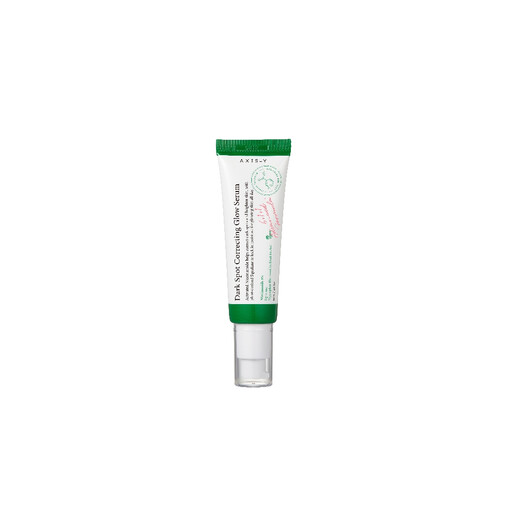
Why This Fits Their Persona: The 50ml size offers a practical starting point for shoppers who want an all-over or targeted dark spot serum without committing to a smaller bottle.
Its ingredient list clearly identifies 5% niacinamide and a lightweight gel texture, making the formula easier to assess than relying on vague glow claims.
Contains niacinamide, sodium hyaluronate and squalane; suitable for shoppers seeking a light, hydrating finish.
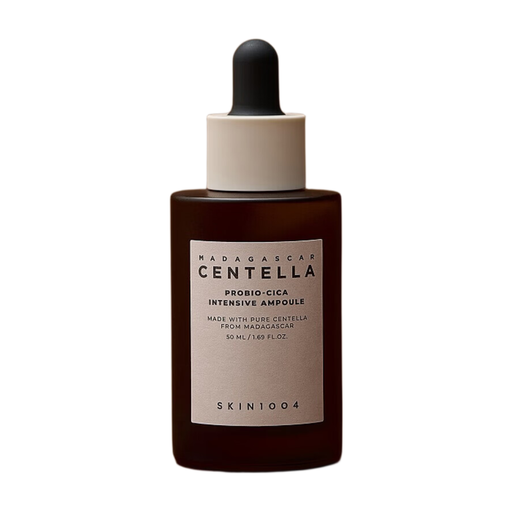
Why This Fits Their Persona: A suitable option for shoppers prioritising a richer barrier-supporting step during cold, dry UK weather or after a demanding skincare routine.
The formula lists Centella ferment, panthenol, ceramide NP, phytosphingosine and sodium hyaluronate, rather than presenting one hero ingredient in isolation.
Includes ceramide NP and a 50ml volume; its milky texture is designed to absorb without a heavy greasy residue.
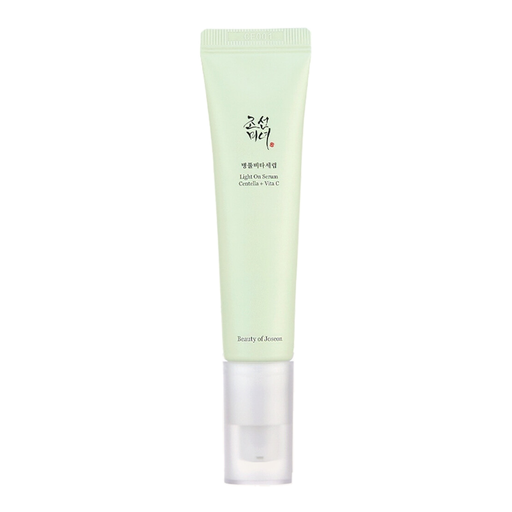
Why This Fits Their Persona: Designed for shoppers who want brightening and soothing functions in one daily face serum, particularly where dullness and sensitivity overlap.
It combines a stated 10% 3-O-Ethyl Ascorbic Acid derivative with Centella Asiatica extract, instead of relying solely on a high-strength acidic vitamin C claim.
Contains panthenol, beta-glucan and hydrolysed hyaluronic acid; the listed finish is lightweight and fresh.
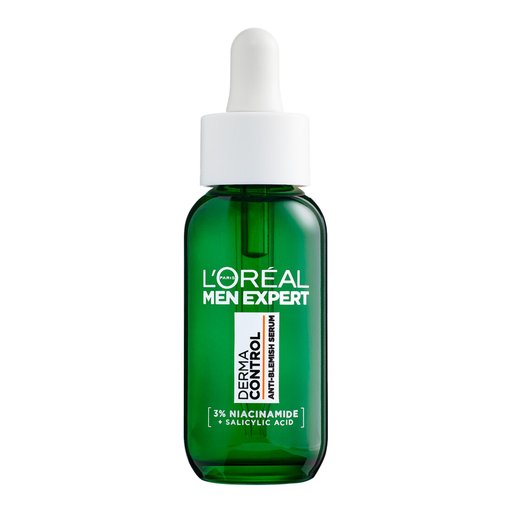
Why This Fits Their Persona: A focused choice for shoppers managing oily, blemish-prone skin who prefer a clearly targeted formula rather than a general hydration product.
The ingredient list identifies 3% niacinamide and salicylic acid, while also showing denatured alcohol and fragrance that sensitive users should consider.
Combines niacinamide with salicylic acid; the three-drop usage direction makes daily application straightforward.
We have compiled a complete, real-time list of products that fully satisfy these strict selection criteria and UK safety regulations.
There is no universal number, but using one targeted serum is a sensible starting point. If you add another, check whether the ingredients overlap or may increase irritation. Alternate products between morning and evening if necessary.
Shelf life depends on the formula, packaging and storage. Follow the period-after-opening symbol and the manufacturer’s instructions. Store the bottle away from direct sunlight and heat, and close it securely after use. Changes in colour, smell or texture may indicate that the product should no longer be used.
In most routines, apply a face serum after cleansing and before moisturiser. This allows the lighter treatment product to spread over clean skin, while moisturiser can help reduce moisture loss afterwards. Always follow the individual product directions where they differ.