
24/7 Customer Support

Free returns

Same-day & Next-day Delivery

Quality Guaranteed

Unlock Your Welcome Offers: FREE Delivery | Up to 80% OFF | Free 30-day JoyPlus trial
Download the APP
A face serum can add a focused step to a skincare routine, but choosing one is not simply a matter of picking the bottle with the most impressive claims. UK shoppers often pay for a high concentration they do not need, combine ingredients that cause discomfort, or select a texture that does not suit their daily routine.
This guide explains what to check before buying, then matches several options to different skincare priorities.
A serum may contain numerous actives, but more ingredients do not automatically make it more appropriate for your skin. A formula designed for dullness may include exfoliating acids, while a wrinkle-correcting serum may contain retinoid derivatives or peptides. These can be useful for particular routines, but may not suit reactive or easily irritated skin.
Read the full ingredient list rather than relying only on front-of-pack phrases such as “glow”, “lifting” or “deep hydration”.
Statements about visible changes within a set number of days or weeks usually refer to a brand’s own testing conditions. They should not be treated as a guaranteed outcome for every user. According to a brand’s own clinical research, a product may have produced particular results among its study participants, but individual results can vary.
Look instead for objective details such as the presence of hyaluronic acid, niacinamide, lactic acid, peptides or a retinoid derivative, and consider whether these ingredients match your concern.
A rich anti-ageing serum may feel uncomfortable under make-up, while a very light hydrating face serum may not be enough for facial skin that feels persistently dry. Fragrance and certain preservatives can also be unsuitable for some users. Check whether the product is water-gel, milky, oil-based or ampoule-style, and whether it is intended for morning, evening or twice-daily use.
A percentage printed on the box does not tell the whole story. The rest of the formula affects how a product feels and layers. For example, a product with hyaluronic acid may still need a moisturiser over it to reduce moisture loss. Apply hydrating products to clean, slightly damp skin where the instructions allow, then follow with moisturiser.
Be cautious with unusually high claims such as “professional-grade”, “1000x fortified” or “clinical-grade concentration”. These phrases may describe a brand’s positioning rather than an independently verified comparison.
For serum for sensitive skin, fragrance-free formulas may be preferable, although “fragrance-free” does not guarantee that irritation is impossible. Products containing alcohol denat., fragrance allergens, exfoliating acids or retinoid derivatives deserve extra care if your skin reacts easily.
Patch-test new products and follow the packaging instructions. Avoid the eye area, discontinue use if irritation develops, and use sunscreen during the day—particularly when applying exfoliating acids or retinoid-related products.
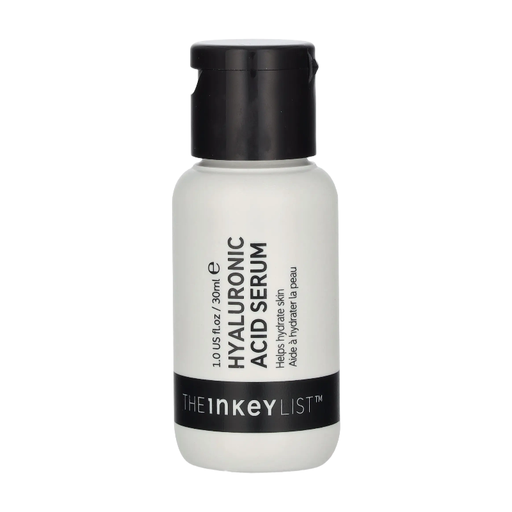
Why This Fits Their Persona: A straightforward option for shoppers building a routine around hydration without adding several complex treatments. Its 30ml size is practical for everyday use and layering under moisturiser or make-up.
The formula lists multi-molecular hyaluronic acid and peptides, making the ingredient focus clearer than a vague “glow” claim. Patch-test first, particularly if your skin is reactive.
Fragrance-free formula; lightweight texture; includes sodium hyaluronate and peptide ingredients.
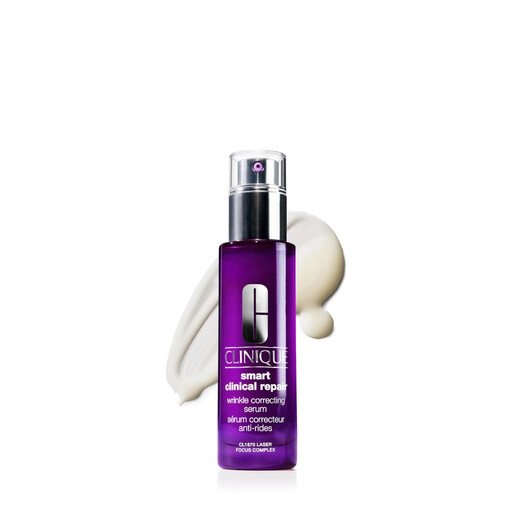
Why This Fits Their Persona: Suits shoppers seeking an ingredient-led anti-ageing serum with a larger 50ml format and a routine centred on peptides, hydration and a retinoid derivative.
The listed ingredients identify HPR, several peptides and sodium hyaluronate, rather than relying only on a general lifting description. Avoid combining it with several strong treatments in one routine.
50ml format; includes peptides and a retinoid derivative; fragrance and alcohol are not listed in the supplied ingredient list.
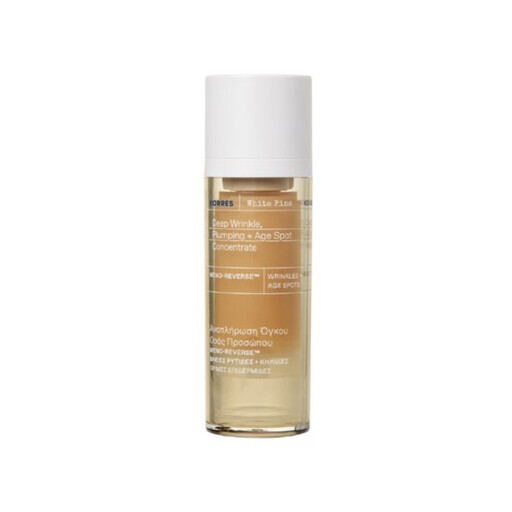
Why This Fits Their Persona: Designed for women after menopause who want a targeted concentrate addressing the appearance of deep wrinkles, sagging and age spots within a structured morning-and-evening routine.
Its intended audience and featured White Pine Bark Extract are clearly specified. The formula also contains glycerin and sodium hyaluronate, supporting a more complete approach than a single-claim wrinkle product.
94.1% natural-origin content as listed; intended for mature skin; suitable for use on the face and neck.
We have compiled a complete, real-time list of products that fully satisfy these strict selection criteria and UK safety regulations.
For a facial serum for dry skin, apply moisturiser afterwards to help retain hydration. If you are using a brightening serum containing lactic acid, follow the product’s sun-sensitivity guidance carefully.
No. A serum is an optional targeted step. It can complement cleansing, moisturising and sun protection, but it does not replace a moisturiser or sunscreen. Choose one based on a clear concern such as dehydration, dullness or the appearance of fine lines.
A 30ml bottle often lasts several weeks to a few months, depending on the amount and frequency used. Follow the recommended dosage rather than applying more in the hope of faster results. Store it as directed and check the batch, shelf-life and ingredient information on the packaging.
You can layer compatible hydrating products, but several active treatments may increase the likelihood of irritation. Avoid combining multiple exfoliating acids, retinoid-related products or strong brightening treatments in the same session unless the product guidance supports it. Patch-test new formulas and introduce them one at a time.