
24/7 Customer Support

Free returns

Same-day & Next-day Delivery

Quality Guaranteed

Unlock Your Welcome Offers: FREE Delivery | Up to 80% OFF | Free 30-day JoyPlus trial
Download the APP
Face serums can offer targeted care for dullness, dehydration, uneven tone, dark spots and visible signs of ageing. However, a higher price or an impressive ingredient list does not automatically make a serum suitable for your routine. The right choice depends on the active ingredients, concentration, texture and how well the formula fits your skin.
A high percentage of vitamin C, niacinamide or tranexamic acid may sound appealing, but the overall formula matters just as much. Alcohol, fragrance, essential oils and exfoliating acids can be uncomfortable for some sensitive or blemish-prone users. Check the full ingredient list rather than judging a product by one headline ingredient.
A dark spot serum may help improve the appearance of uneven tone over consistent use, but results vary according to the cause of discolouration, skin type and daily sun exposure. Existing marks can also appear darker when skin is exposed to UV light. A broad-spectrum SPF during the day is therefore an important part of a brightening routine.
Using a vitamin C serum alongside several exfoliating products, retinoid-style formulas or multiple brightening treatments can increase the chance of dryness and irritation. Introduce one new serum at a time, start with a small amount and follow the product’s directions. A patch test is sensible, especially if you have reactive or sensitive skin.
Different ingredients are associated with different skincare goals:
Do not assume that a serum for hyperpigmentation will also provide enough hydration or anti-ageing support. You may need a moisturiser alongside it.
Ingredient percentages can help you compare products, but they do not indicate how your skin will respond. For example, the Axis-Y formula contains 5% niacinamide, while Haruharu Wonder combines 4% niacinamide with 4% tranexamic acid. These are clear formulation details, but suitability still depends on your individual tolerance.
If you prefer a lightweight product under moisturiser or make-up, look for a watery or gel texture. Richer formulas may suit dry skin, while fragrance-free products can be worth considering if your skin is easily unsettled. Always review the current packaging because ingredients and usage instructions can change.
Vitamin C can be sensitive to light, air and heat, so store the product as directed and close the container promptly. A pump or airless container may help limit repeated exposure to air, while a pipette allows more control over the amount used.
Most face serums are applied after cleansing and before moisturiser. Avoid using more than the stated frequency. If a product contains active brightening ingredients, use daytime SPF to help protect against further visible discolouration.
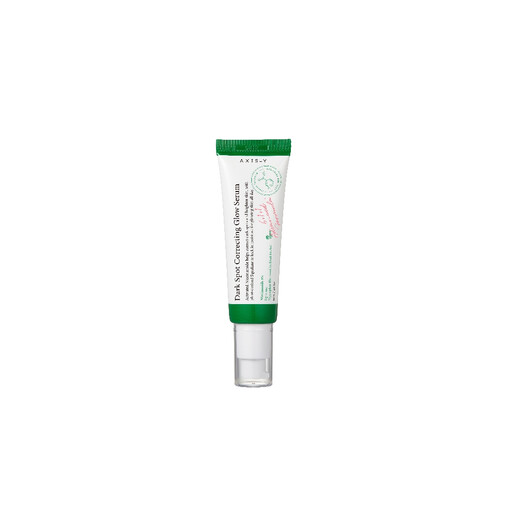
Why This Fits Their Persona: The 50ml size and lightweight gel texture make this a practical everyday option for shoppers starting a simple brightening routine.
Its stated 5% niacinamide content is clear, helping shoppers compare the formula without relying only on vague “glow” language.
Contains niacinamide, sodium hyaluronate and squalane; listed as vegan-friendly and suitable for sensitive and acne-prone skin.
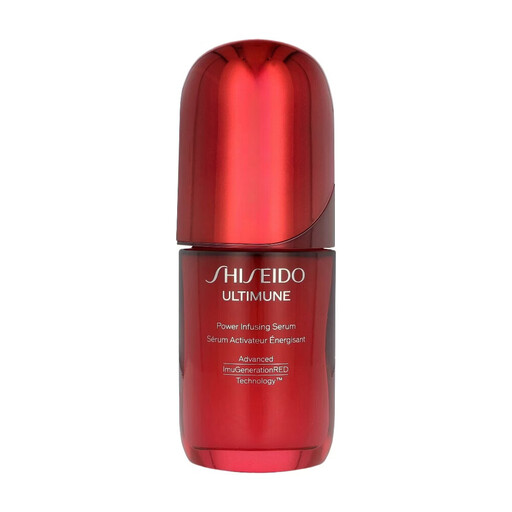
Why This Fits Their Persona: This option suits shoppers seeking a larger-format premium serum with a fast-absorbing texture for morning and evening use.
The ingredient list is available for checking, including denatured alcohol and fragrance, so sensitive users can assess compatibility before buying.
50ml format; lightweight serum texture; described as dermatologically tested and non-comedogenic in the supplied product information.
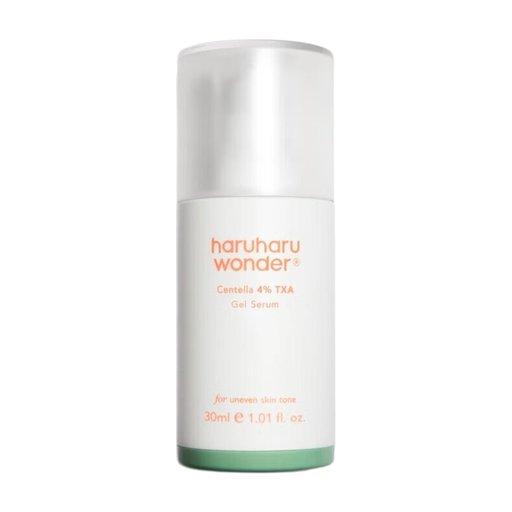
Why This Fits Their Persona: It is suited to shoppers specifically comparing serums for hyperpigmentation and wanting a defined combination of brightening and soothing ingredients.
The formula specifies 4% tranexamic acid and 4% niacinamide rather than hiding behind a general brightening claim.
Includes a centella complex; listed as free from artificial fragrance, drying alcohol, parabens and animal-derived ingredients.
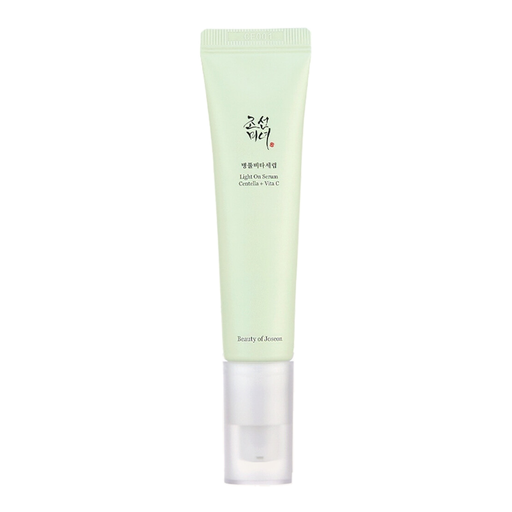
Why This Fits Their Persona: This Korean face serum suits users who want vitamin C support with a lighter, soothing-feeling formula for daily layering.
It uses 3-O-Ethyl Ascorbic Acid rather than relying only on a broad “vitamin C” description, alongside centella and moisturising ingredients.
Contains centella asiatica extract, panthenol, beta-glucan and hydrolysed hyaluronic acid; designed without a heavy residue.
We have compiled a complete, real-time list of products that fully satisfy these strict selection criteria and UK safety regulations.
Many face serums are designed for daily use, but the correct frequency depends on the active ingredients and the manufacturer’s instructions. Hydrating facial serums are often straightforward to layer, while vitamin C, exfoliating or concentrated brightening formulas may require a slower introduction.
Usage varies according to whether you apply it to the face only or include the neck, and whether you use a few drops or a full pipette. A 30ml bottle may last several weeks or longer when used sparingly. Follow the packaging guidance and observe the open-jar symbol for the recommended period after opening.
Yes. Apply serum after cleansing and before moisturiser, then use sunscreen as the final morning skincare step. SPF does not replace a targeted serum, and a serum does not replace sun protection. If irritation, redness or persistent discomfort develops, stop using the product and seek appropriate medical advice.