
24/7 Customer Support

Free returns

Same-day & Next-day Delivery

Quality Guaranteed

Unlock Your Welcome Offers: FREE Delivery | Up to 80% OFF | Free 30-day JoyPlus trial
Download the APP
A face serum can be a useful step between cleansing and moisturising, but the wrong formula may leave your skin feeling tight, greasy or irritated. UK shoppers comparing a facial serum often face three common problems:
Searches for the “best face serum” usually reflect a more practical question: which product matches your skin concern, tolerance, budget and daily routine?
Choose one primary objective before comparing bottles.
A Korean skincare serum may use a watery gel texture and several layers of humectants, while a richer serum for mature skin may include oils, peptides or barrier-supporting ingredients. Neither format is automatically right for everyone.
A product listing should provide a full ingredient list where possible. Check:
Claims such as “instant glow” may describe a temporary surface effect rather than a long-term change. Also be cautious with statements about rapid wrinkle reduction or clinical outcomes unless the supporting evidence is clearly presented and relevant to the exact product.
Apply a new face serum to clean skin, usually after toner and before moisturiser. A patch test is sensible, particularly for sensitive skin or formulas containing vitamin C, salicylic acid, retinol or retinal.
Use one new active at a time. A retinal serum should generally start at two or three evenings per week, while a straightforward hydrating serum may be easier to use daily. During daytime, apply sunscreen as the final skincare step. Stop using a product if persistent burning, swelling, itching or significant redness develops.
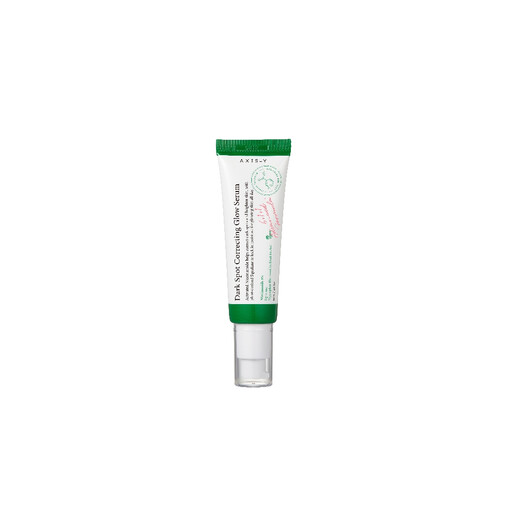
Why This Fits Their Persona: A practical daily option for shoppers beginning a brightening routine and preferring a lightweight gel texture.
Its listing identifies 5% niacinamide and squalane, rather than relying only on general “glow” wording.
Contains niacinamide, sodium hyaluronate and squalane; suitable for all-over or targeted application.
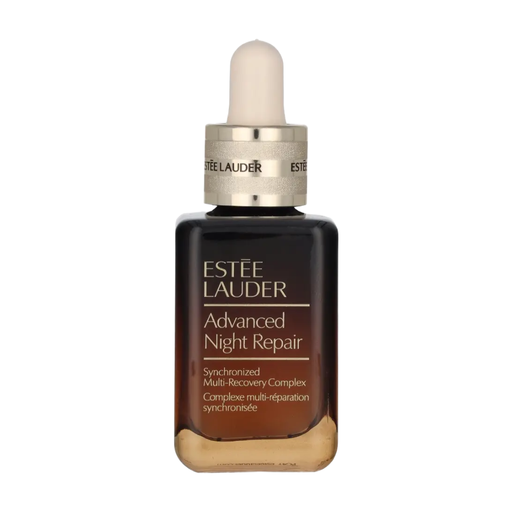
Why This Fits Their Persona: Suits shoppers seeking a well-established premium facial serum for morning and evening use.
The ingredient list and directions are available for comparison, making it easier to assess the formula beyond premium packaging.
Includes bifida ferment lysate, glycerin, sodium hyaluronate, squalane and Tripeptide-32.
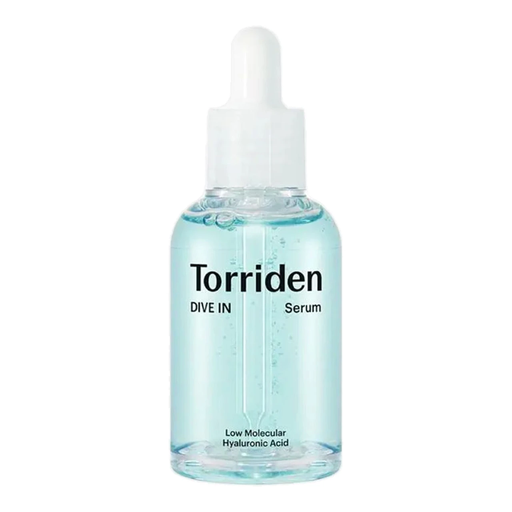
Why This Fits Their Persona: A useful choice for frequent layering, dry indoor heating conditions and users who prefer a fragrance-free watery gel.
The formula specifies multiple hyaluronic acid forms plus panthenol and allantoin, rather than presenting hydration as an unexplained claim.
50ml size; fragrance-free and alcohol-free according to the product description; includes ceramide NP.
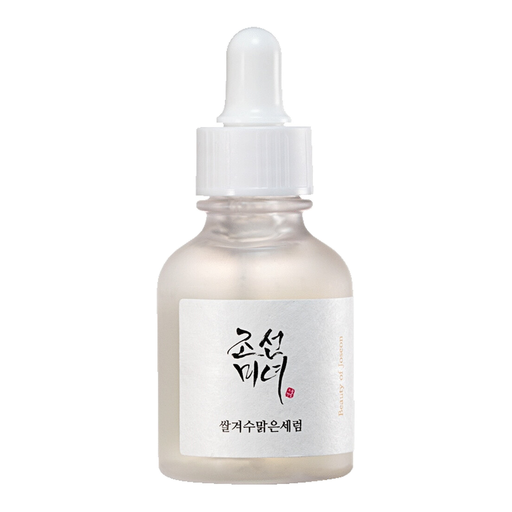
Why This Fits Their Persona: Designed for shoppers comparing a Korean skincare serum for dull-looking skin and uneven tone.
The listing identifies 2% alpha-arbutin, rice bran water and a watery texture, helping shoppers compare active and sensory details.
30ml formula with niacinamide and panthenol; described as free from artificial fragrance and essential oils.
We have compiled a complete, real-time list of products that fully satisfy these strict selection criteria and UK safety regulations.
A serum for dry skin may be layered beneath a richer cream, while a serum for sensitive skin is often easier to manage when the rest of the routine is uncomplicated. Men can use the same ingredient-led approach: products such as a vitamin C serum or blemish-focused niacinamide serum should be selected by formula, not by gendered packaging.
Most 30ml bottles last around one to three months, depending on whether you use a few drops once or twice daily. A 50ml bottle or single-use ampoule pack may suit heavier users. Follow the product’s storage instructions and check the packaging for its period-after-opening guidance.
Often, a basic hydrating serum can sit alongside another active, but introduce products separately. Avoid creating a crowded routine with several potentially irritating actives at once. Apply products from the thinnest texture to the thickest and stop if discomfort develops.
The terms are not always used consistently. “Ampoule” commonly describes a concentrated or treatment-focused facial serum, but the actual strength depends on the ingredient list and directions. Compare the formula, size, texture and usage instructions rather than relying on the name alone.