
24/7 Customer Support

Free returns

Same-day & Next-day Delivery

Quality Guaranteed

Unlock Your Welcome Offers: FREE Delivery | Up to 80% OFF | Free 30-day JoyPlus trial
Download the APP
Navigating the world of face serums can feel overwhelming. With countless bottles promising miraculous transformations, it is easy to end up with a bathroom cabinet full of products that underdeliver. Many of us in the UK have been drawn in by compelling marketing, only to find a serum is unsuited to our skin, or worse, causes irritation. Before you make your next purchase, it is crucial to understand the common pitfalls that lead to wasted money and disappointment.
As a Joybuy Product Recommendation Officer, my role is to help you see past the hype. Let's break down the essential factors for choosing a serum that genuinely meets your skin's needs.
To make an informed choice, focus on these key parameters rather than just marketing claims.
A face serum is a targeted treatment. The first step is to identify your main concern and the ingredients proven to address it.
The overall formula determines how well the active ingredients work. A good serum ensures its key ingredients are stable and can penetrate the skin effectively. Many modern formulas, particularly in the Korean face serum category, use advanced techniques like fermentation or encapsulation to enhance the stability and delivery of potent actives, making them more effective and gentler on the skin. Pay attention to whether a serum is water-based, an emulsion or oil-based, and choose one that suits your skin type—lighter, water-based formulas for oily skin and richer emulsions for dry skin.
Instead of a one-size-fits-all approach, we have matched specific serums to different user needs and concerns.
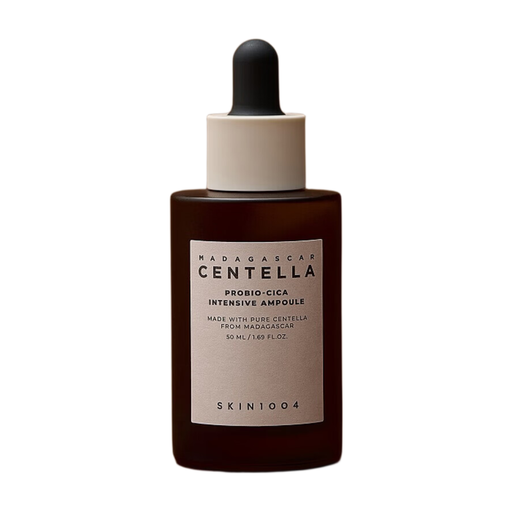
Why This Fits Their Persona: Ideal for the UK skincare user whose skin is easily sensitised by weather changes or active ingredients. This person seeks a dedicated barrier repair serum to calm redness and rebuild skin resilience, appreciating the gentle yet effective approach of Korean skincare.
It avoids the "miracle ingredient" myth by combining fermented Centella Asiatica with probiotics, ceramides and panthenol, creating a synergistic formula focused entirely on skin barrier health.
Features fermented Centella and probiotics to soothe and balance the skin. The rich, milky texture provides intensive hydration without feeling greasy, making it perfect for compromised skin.
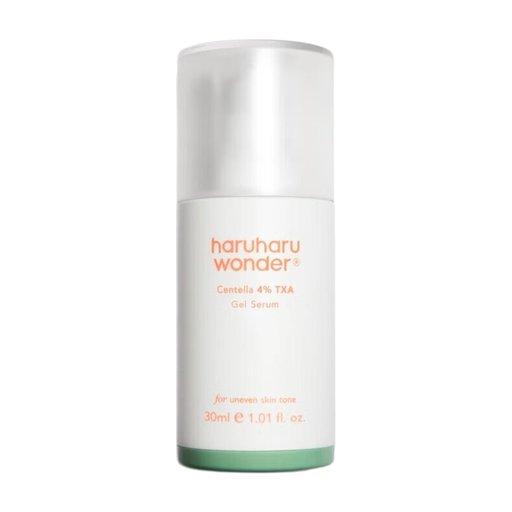
Why This Fits Their Persona: This user is knowledgeable about ingredients and is specifically looking for an effective dark spot corrector. They want a targeted solution for post-acne marks or sun spots and are drawn to potent, well-researched formulas.
It avoids the high-percentage fallacy by using a clinically relevant 4% Tranexamic Acid and 4% Niacinamide—concentrations known to be effective for hyperpigmentation without being overly aggressive.
This serum combines two powerful brightening agents (TXA and Niacinamide) with a soothing Centella Complex. Its lightweight gel texture absorbs instantly with no stickiness.
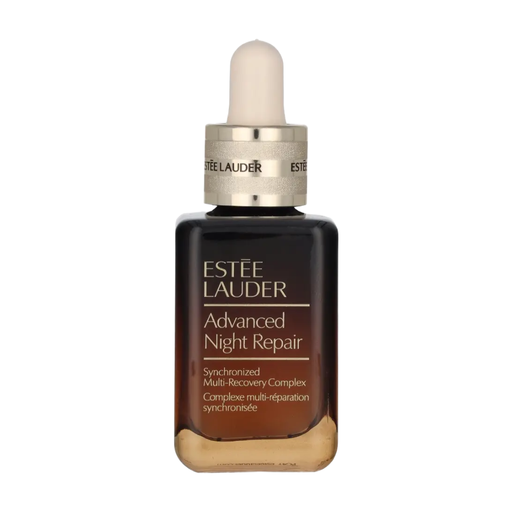
Why This Fits Their Persona: This user invests in iconic, multi-action skincare. They are focused on long-term skin health and preventing signs of ageing, such as fine lines and loss of firmness. They want a single, powerful anti-aging serum that works overnight to repair and protect.
Instead of focusing on a single trendy ingredient, its strength lies in the patented Tripeptide-32 and Chronolux Power Signal Technology, a complex designed to support the skin's natural rhythm of repair.
Provides long-lasting hydration (up to 72 hours) and antioxidant protection. The formula targets multiple signs of ageing, including lines, firmness and uneven tone, for comprehensive skin renewal.
We have compiled a complete, real-time list of products that fully satisfy these strict selection criteria and UK safety regulations.
Yes, absolutely. A hydrating serum is formulated to draw moisture deep into the skin. However, a moisturiser is essential to apply afterwards. It creates a protective seal on the skin's surface, locking in the serum's hydration and preventing it from evaporating, a process known as transepidermal water loss. They perform two different but equally important jobs in keeping your skin hydrated.
Yes, for most people, this is a beneficial combination. The old advice to avoid mixing them was based on outdated studies using non-stabilised forms of the ingredients. Modern, well-formulated serums are stable and can be used together. A popular method is to apply your vitamin C serum in the morning to benefit from its antioxidant protection against daily environmental stressors, and your niacinamide serum in the evening. You can also layer them in the same routine—just apply the one with the thinner consistency first.
This depends on usage, but a 30ml bottle of face serum should last approximately 2 to 4 months when used consistently. Most routines call for a few drops (often described as a pea-sized amount) applied once or twice per day. This makes even premium serums a cost-effective investment in your long-term skin health.