
24/7 Customer Support

Free returns

Same-day & Next-day Delivery

Quality Guaranteed

Unlock Your Welcome Offers: FREE Delivery | Up to 80% OFF | Free 30-day JoyPlus trial
Download the APP
As a Joybuy Product Recommendation Officer, my role is to help you navigate the crowded skincare market. The promise of a face serum with SPF is compelling: streamline your morning routine by combining hydration, treatment and sun protection in one elegant step. However, the reality often falls short. Many products fail to deliver on their claims, leading to wasted money and, more importantly, inadequate sun protection.
Before you add another product to your basket, let’s look at the common pitfalls that UK shoppers encounter and how to sidestep them.
invisible face SPF that disappears on the skin. Too often, these formulas leave a subtle but persistent white cast, a greasy film that interferes with makeup or a sticky texture that feels uncomfortable throughout the day. This is particularly noticeable on deeper skin tones or when reapplying.moisturiser with SPF, are so thick or heavy that users apply far less than the recommended amount. This drastically reduces the stated SPF, leaving your skin vulnerable to UV damage and photo-ageing.To find a product that truly performs, you need to look beyond the marketing and analyse a few core parameters. These are the non-negotiables for any effective daily sunscreen.
The Sun Protection Factor (SPF) number primarily indicates protection against UVB rays, the main cause of sunburn. For daily use in the UK, SPF 30 is considered the minimum, while SPF 50 offers a higher level of protection, filtering out approximately 98% of UVB rays compared to 97% for SPF 30.
However, protection against UVA rays is just as crucial. UVA rays penetrate deeper into the skin and are the primary driver of premature ageing (wrinkles, loss of firmness). Look for the letters "UVA" in a circle on the packaging, which is the UK/EU standard indicating the product meets the required level of UVA protection. Alternatively, many K-beauty sunscreen products use the PA system, with PA++++ offering the highest level of UVA defence. A true anti-ageing sunscreen must provide excellent broad-spectrum coverage.
The product's format dictates how it will feel and function in your routine.
serum sunscreen is ideal for layering and for those with oily or combination skin.hydrating sunscreen moisturiser can be a great all-in-one morning product.sunscreen primer often has a smoothing or pore-blurring effect. It creates a perfect canvas for foundation while providing essential UV protection.To ensure you're getting more than just sun protection, check for beneficial ingredients in effective concentrations. A niacinamide SPF can help regulate oil production and improve skin tone. Hyaluronic Acid provides a welcome boost of hydration, plumping the skin and reducing the appearance of fine lines. Antioxidants like Vitamin C, Vitamin E or botanical extracts help defend the skin against environmental damage.
Based on these criteria, we've matched a few standout products to specific user profiles. These recommendations focus on formulas that successfully avoid the common pitfalls and deliver on their promises.
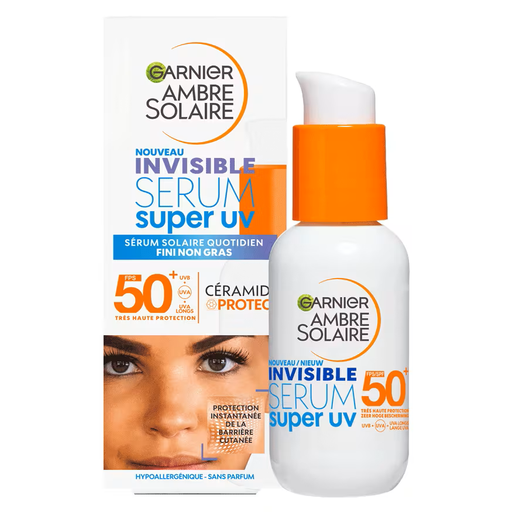
Why This Fits Their Persona: Ideal for the daily commuter who needs reliable, high-factor protection that sinks in instantly. It’s a no-fuss, affordable option that works seamlessly on its own or under makeup without pilling or feeling greasy on a busy morning.
It directly counters the "invisible finish" trap. The fluid texture is genuinely lightweight and becomes transparent on application, leaving no white cast or sticky residue, which encourages applying the correct amount for full protection.
Offers very high SPF 50+ broad-spectrum protection and is enriched with Ceramide to help reinforce the skin barrier, all in an accessible and easy-to-find format.
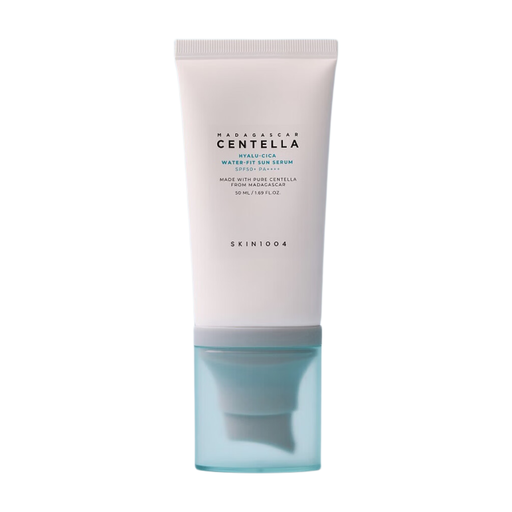
Why This Fits Their Persona: This is for the skincare enthusiast who values sophisticated formulation and a dewy finish. As a popular K-beauty sunscreen, it prioritises a pleasurable user experience with a hydrating, soothing formula that feels more like a treatment than a sunscreen.
It avoids the "marketing ingredients" trap by featuring a proprietary "Hyalu-Cica" blend of Hyaluronic Acid and high-purity Centella Asiatica. Its watery texture is a joy to apply, ensuring you use enough for its SPF 50+ PA++++ rating.
Delivers an ultra-lightweight, serum-like feel with zero white cast and a dewy, hydrated finish. The formula is also reef-safe and designed for sensitive skin.
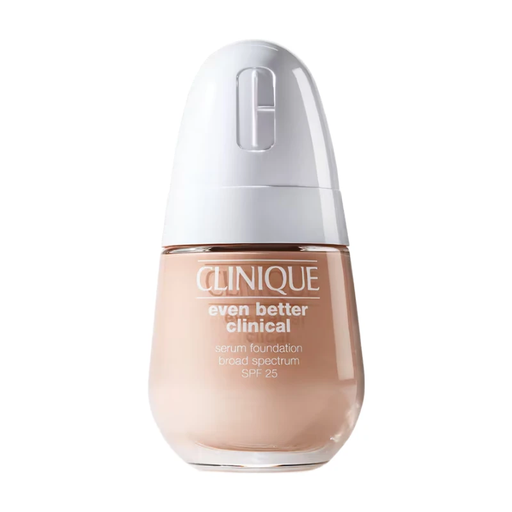
Why This Fits Their Persona: This is for the makeup wearer who wants to combine coverage, skincare and sun protection. This foundation with SPF is a true hybrid, offering a polished look while treating the skin underneath, perfect for office days or when sun exposure is incidental.
It solves the issue of sunscreen pilling under makeup by integrating it directly into the base. The skincare claims are backed by a formula where 86% of the ingredients are for skincare, including Vitamin C, salicylic acid and hyaluronic acid.
Provides buildable medium-to-full coverage with a satin-matte finish that lasts 24 hours. The SPF 20 offers a good baseline of protection for everyday, low-exposure activities.
We have compiled a complete, real-time list of products that fully satisfy these strict selection criteria and UK safety regulations.
This depends on your skin type and the specific product. If you have oily or combination skin, a hydrating serum sunscreen like the SKIN1004 Hyalu-Cica may provide enough moisture on its own. If you have dry skin, you will likely benefit from applying a separate moisturiser first, letting it absorb and then applying your SPF serum as the final step.
To achieve the SPF rating on the bottle, you need to apply a generous amount. The general guideline for the face and neck is about 1/2 a teaspoon, or the "two-finger rule" (squeezing a line of product onto your index and middle fingers). This is why choosing a formula with a pleasant, lightweight texture is so important—it makes applying the correct amount much easier.
For days spent mostly indoors with minimal sun exposure, a foundation with SPF 20 can be a convenient option. However, for extended time outdoors, it is not a direct replacement for a dedicated, high-factor sunscreen. Most people do not apply enough foundation to achieve the stated SPF and SPF 20 is lower than the recommended SPF 30 for robust protection. It's best to view it as an extra layer of defence on top of your primary sunscreen.