
24/7 Customer Support

Free returns

Same-day & Next-day Delivery

Quality Guaranteed

Unlock Your Welcome Offers: FREE Delivery | Up to 80% OFF | Free 30-day JoyPlus trial
Download the APP
Face serums and ampoules can make a skincare routine more targeted, but choosing by a fashionable ingredient or an impressive percentage alone can lead to wasted money. UK shoppers often compare collagen serum, vitamin C serum and Korean skincare ampoules without checking how the formula fits their skin, routine or tolerance.
The following guide separates useful product information from marketing noise and highlights practical options for concerns including enlarged pores, dullness, dehydration, uneven tone and visible signs of ageing.
A product featuring a high concentration of collagen, propolis or exosome ingredients may sound appealing, but concentration does not tell you everything about texture, supporting ingredients or suitability. A formula can still feel heavy, contain fragrance or be unsuitable for compromised skin.
Look at the complete ingredient list rather than focusing on one headline ingredient. Humectants such as glycerin and hyaluronic acid can support a hydrated feel, while niacinamide may be useful in formulas aimed at uneven tone or excess oil.
A serum for enlarged pores may make the skin feel smoother or look more refined when hydrated. However, the appearance of pores can vary with oil, dehydration, lighting and makeup. Be cautious with wording that suggests permanent pore removal or instant structural change.
For oily or combination skin, consider a lightweight serum or ampoule that includes ingredients such as niacinamide, while avoiding excessive layering of potentially exfoliating products.
A brightening serum or anti-ageing serum may include fragrance, salicylic acid, betaine salicylate, vitamin C derivatives or other active ingredients. These can be acceptable for some users but may not suit everyone, particularly those with reactive or sensitive skin.
Check the directions carefully. Some intensive ampoules are intended for use every few days rather than morning and evening. Patch testing is a sensible precaution, and any product should be stopped if redness, itching, swelling or persistent discomfort develops.
Choose one primary goal first:
Ingredient order can help you understand the formula’s structure, although it does not reveal every aspect of performance. Check for fragrance and listed fragrance allergens such as limonene, linalool or citronellol if you are sensitive to scented products.
Also note whether the product contains exfoliating ingredients. Combining a vitamin C serum with multiple acids or an intensive exosome ampoule may increase the chance of discomfort for some users.
UK cosmetic packaging should provide required information such as ingredients, precautions and responsible product details. Always use the packaging supplied with the item as the final reference, as formulas can change.
A 15ml serum may be useful for trying a formula, while 30ml or 50ml options may suit regular use. A fast-absorbing ampoule can layer more easily under moisturiser and make-up, whereas a richer serum may be more comfortable for dry skin.
Check the storage instructions too. Some formulas should be kept away from direct sunlight and heat. Morning routines should finish with sunscreen, especially when using products aimed at brightening or refining the appearance of skin.
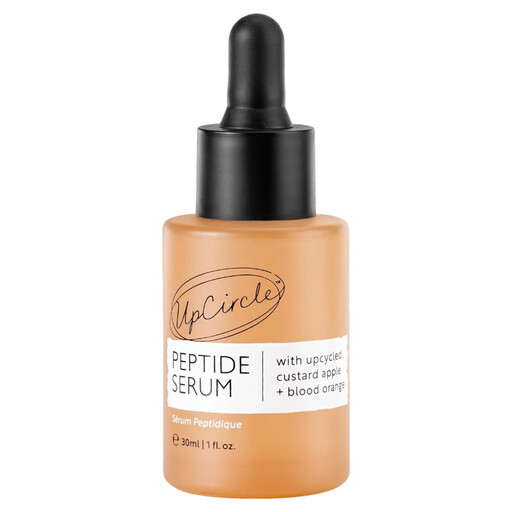
Why This Fits Their Persona: A compact 30ml option for shoppers starting with one multi-purpose serum for hydration, brightness and a smoother-looking complexion.
Its ingredient list identifies niacinamide, a vitamin C derivative and Tripeptide-1, allowing a shopper to assess the formula instead of relying only on a “glow” label.
Vegan formula, glass pipette bottle and a lightweight ingredient profile featuring orange extract, custard apple extract and vitamin E.
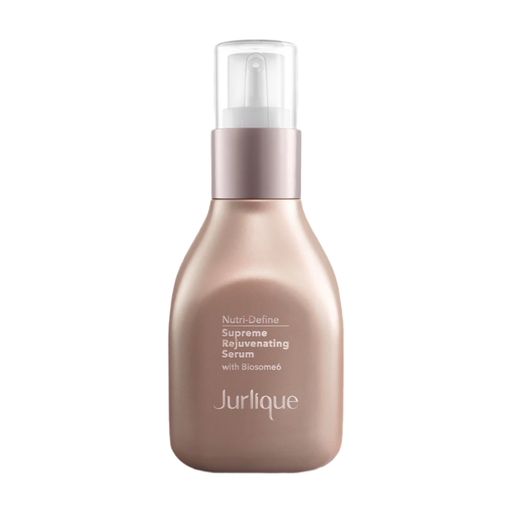
Why This Fits Their Persona: Suits shoppers seeking a richer, botanical-led serum for visible dryness, a less supple feel and a radiant finish.
The published ingredient list makes its fragrance and botanical extracts visible, helping sensitive shoppers make an informed choice before purchase.
Contains glycerin, hyaluronic-acid-related tremella polysaccharide, meadowfoam seed oil and several botanical extracts; intended for morning and evening use.
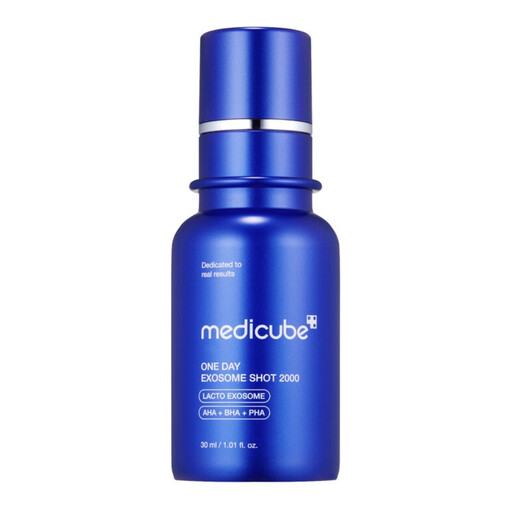
Why This Fits Their Persona: Designed for shoppers prioritising enlarged pores and uneven texture who are comfortable following a less frequent, intensive routine.
The directions specify use every three days and note that tingling may occur, so buyers can plan around its intensity rather than treating it like a basic daily moisturiser.
Includes niacinamide, panthenol, gluconolactone and betaine salicylate; the lightweight ampoule is applied after cleansing and toning.
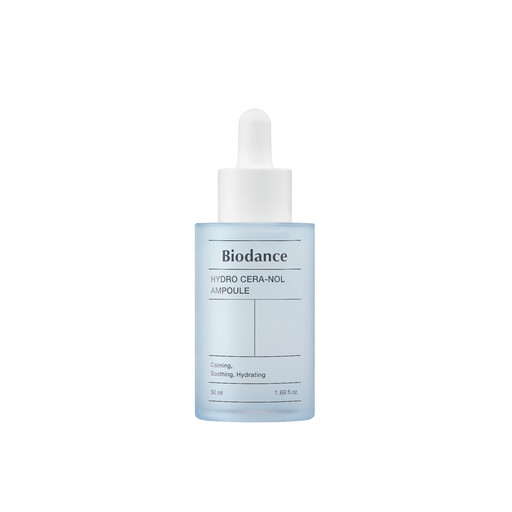
Why This Fits Their Persona: A practical choice for shoppers focused on dehydration, tightness or a weakened-feeling moisture barrier rather than intensive pore refinement.
Its stated focus is hydration and soothing, helping users avoid choosing a strong exfoliating or pore-focused product when barrier comfort is the priority.
Contains panthenol, ceramides, hyaluronic acid and glycerin in a 50ml ampoule format with a milky texture.
We have compiled a complete, real-time list of products that fully satisfy these strict selection criteria and UK safety regulations.
Apply face serums and ampoules after cleansing and toning, then follow with moisturiser. Start with one targeted product so you can identify how your skin responds. If using a brightening serum in the morning, apply sunscreen afterwards.
Avoid applying several products with overlapping active ingredients at once. For example, introduce a vitamin C serum, exfoliating formula or exosome ampoule separately rather than combining everything on the first day. Store the product as directed and use clean hands when dispensing.
Many hydrating face serums are designed for daily morning or evening use, but not every ampoule is. Check the product directions: intensive pore formulas may recommend use every three days. If your skin is sensitive, begin less frequently and patch test first.
The terms are not used consistently across skincare brands. In practice, compare the formula, texture, ingredients and instructions rather than the name. An ampoule may be lightweight and targeted, while a serum can range from watery to rich.
Usage varies according to the number of drops or pumps and whether you apply it to the face, neck and décolletage. Using the recommended amount is more sensible than applying several layers, and the packaging should be checked for storage and period-after-opening information.