
24/7 Customer Support

Free returns

Same-day & Next-day Delivery

Quality Guaranteed

Unlock Your Welcome Offers: FREE Delivery | Up to 80% OFF | Free 30-day JoyPlus trial
Download the APP
Finding the best face serums is less about choosing the most expensive bottle and more about matching ingredients, texture and usage to your skin. UK shoppers can choose from lightweight Korean skincare serums, concentrated ampoules and targeted treatments for hydration, sensitivity, dullness or dark spots. However, attractive packaging and impressive-sounding claims can make comparison difficult.
This guide explains the main buying traps, the specifications worth checking and which serum profiles may suit different routines.
A larger percentage does not automatically mean a formula will suit your skin. For example, a vitamin C serum or niacinamide serum may be useful for brightening, but the overall formula, supporting ingredients and your skin’s tolerance also matter. A gentle, consistent routine is often more practical than repeatedly switching between strong treatments.
A hydrating face serum or hyaluronic acid serum can help skin feel more comfortable and look temporarily plumper by attracting water. It does not necessarily replace a moisturiser, particularly if your skin is dry or exposed to cold UK weather. Look for a separate cream or lotion to help reduce moisture loss.
Marketing may highlight collagen, botanical extracts or a “glow” effect while less prominent ingredients are more relevant to your preferences. Fragrance, denatured alcohol, essential oils or exfoliating acids may be unsuitable for some sensitive users. Always check the current packaging, instructions and warnings before buying.
A watery serum usually layers easily under moisturiser and make-up, while a richer ampoule may be more comfortable for a serum for dry skin. If you use several products, apply thinner textures first and allow each layer to settle. A sticky finish is not proof of stronger performance, and a fast-absorbing formula may be more convenient for busy mornings or commuting.
Look for the stated volume, usage instructions and recommended storage conditions. Airless pumps or single-use vials can be practical for ingredients that may be affected by repeated air exposure, while a dropper bottle makes it easy to control small amounts.
For sensitive skin, patch test before applying a new product across the face. Do not apply serum to broken or irritated skin, avoid the eye area and stop use if redness, swelling, itching or discomfort develops. Products containing brightening ingredients should be paired with broad-spectrum sunscreen during the day.
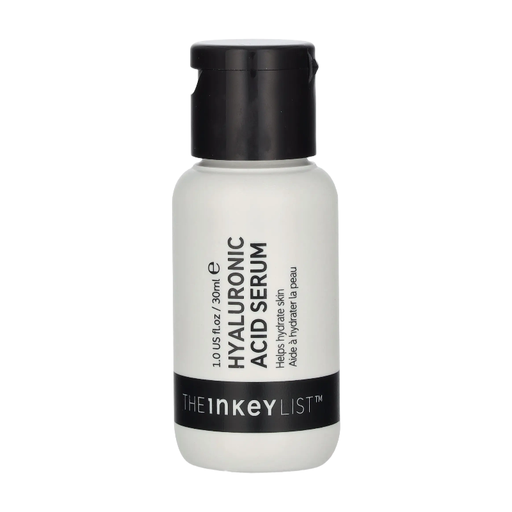
Why This Fits Their Persona: A straightforward option for beginners who want to add hydration without building a complicated routine. Its 30ml size is convenient for daily morning and evening use.
The formula clearly identifies 2% multi-molecular hyaluronic acid and is fragrance-free, making comparison more transparent than relying on vague “glow” wording.
Lightweight texture; contains glycerin, sodium hyaluronate and peptides; suitable for layering under moisturiser.
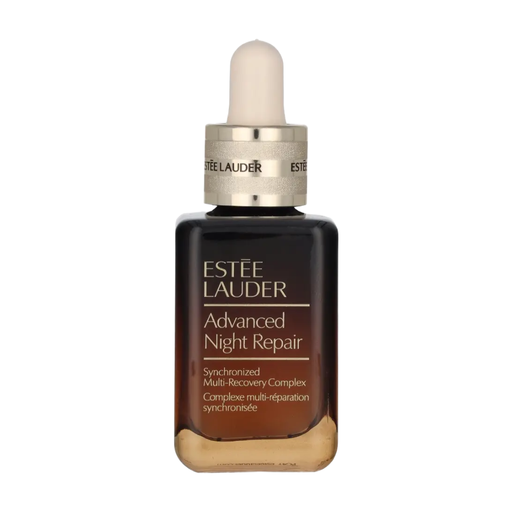
Why This Fits Their Persona: Suits shoppers seeking a more comprehensive anti-ageing serum for a morning and evening routine, particularly when hydration and texture are priorities.
Its ingredient list identifies hyaluronic acid, bifida ferment lysate, squalane and Tripeptide-32, allowing buyers to assess the formula beyond premium presentation.
Oil-free texture; designed for use before moisturiser; includes multiple moisture-supporting ingredients.
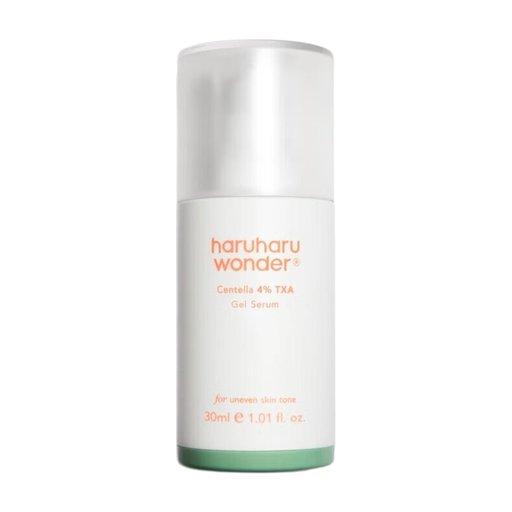
Why This Fits Their Persona: A targeted choice for shoppers concentrating on uneven tone, post-blemish marks or visible dark spots within a structured routine.
The stated formula specifies 4% tranexamic acid and 4% niacinamide, rather than using only a general brightening label. Patch testing and daytime sunscreen remain important.
Includes centella components and vitamin C derivatives; lightweight gel texture; free from artificial fragrance according to the supplied product information.
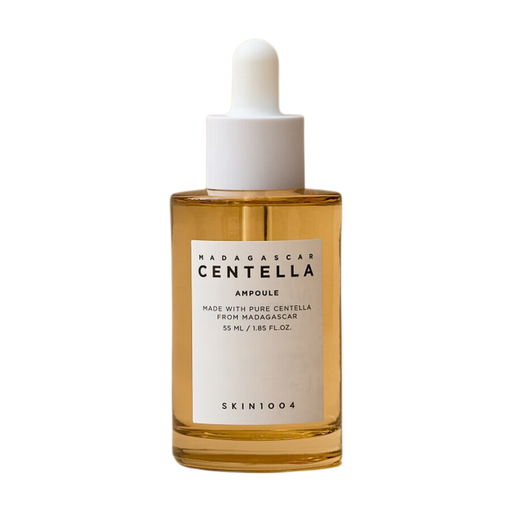
Why This Fits Their Persona: Works for shoppers who prefer a short ingredient list and an ultra-light layer under a moisturiser, including those building a calming routine.
The supplied ingredient list identifies Centella Asiatica Extract as 100%, so there is less ambiguity about the formula’s central ingredient.
Watery texture; 55ml format; designed for use after cleansing and toning.
We have compiled a complete, real-time list of products that fully satisfy these strict selection criteria and UK safety regulations.
Apply serum after cleansing and toning, usually before moisturiser. Start with the quantity stated on the packaging; many formulas require only a few drops or a pea-sized amount. Hyaluronic acid products are commonly applied to slightly damp skin, followed by moisturiser to help retain comfort.
Avoid introducing several new actives at once. If using a vitamin C serum, niacinamide serum, exfoliating product or dark spot serum, add one change at a time so you can identify any sensitivity. Keep products away from direct sunlight and follow the storage advice on the label.
A simple hydrating face serum with ingredients such as glycerin or hyaluronic acid is usually easier to add to an existing routine than several active treatments at once. Choose a lightweight formula if you plan to apply moisturiser and make-up afterwards.
Many face serums are designed for daily morning, evening or twice-daily use, but this depends on the formula. Follow the product directions. Brightening and exfoliating products may require a slower introduction, especially if you have sensitive or acne-prone skin.
The usable period varies by product, packaging and storage. Check the open-jar symbol, expiry information and batch details on the packaging. Close the lid or pump after use and store the serum away from heat and direct sunlight. A change in colour, smell or texture is a reason to stop using it and check the manufacturer’s guidance.