
24/7 Customer Support

Free returns

Same-day & Next-day Delivery

Quality Guaranteed

Unlock Your Welcome Offers: FREE Delivery | Up to 80% OFF | Free 30-day JoyPlus trial
Download the APP
Face sheet masks can be a convenient addition to a UK skincare routine, particularly when skin feels dry, dull or uncomfortable. However, attractive packaging and ingredient-led marketing do not always tell you whether a mask will suit your skin or fit your routine.
Before buying, watch for three common traps:
A sensible purchase compares the formula, sheet material, application time and quantity together.
For dehydration, look for humectants such as glycerin, hyaluronic acid, sodium hyaluronate, betaine and panthenol. These ingredients help the skin hold water temporarily, making a hydrating face mask or deep hydration mask useful before an event or after exposure to cold, dry weather.
For uneven-looking tone, a brightening face mask may contain niacinamide, vitamin C derivatives or fruit extracts. A niacinamide face mask can be appropriate for shoppers interested in a more even-looking complexion, but higher ingredient percentages are not automatically better for every skin type.
For visible dryness and a weakened-feeling moisture barrier, consider ceramides, cholesterol, fatty ingredients and soothing ingredients such as allantoin or dipotassium glycyrrhizate. A collagen face mask can provide a moisturised, smoother-feeling finish, but topical collagen should not be treated as a replacement for medical or professional skincare.
If you have reactive or sensitive skin, check the full INCI list rather than relying only on “gentle” wording. Fragrance, alcohol, citrus extracts and essential oils may be unsuitable for some users.
A standard fabric sheet is usually lightweight and quick to apply. A hydrogel face mask tends to feel cooler and can sit closely against the skin, although it may be heavier and more expensive per use.
Look for:
Three-dimensional designs, such as those used by selected Japanese face mask products, can wrap more closely beneath the chin than a conventional flat sheet. That may reduce slipping while you move around the house.
Compare price per mask, not just the pack price. A pack of 30 may suit someone who already uses masks frequently, while a four- or five-pack is more practical for occasional self-care.
Also check storage guidance, the batch information and the ingredient list printed on the packaging. In the UK, cosmetic packaging should provide relevant product information, but online listings can change. The physical packaging is the final reference before use.
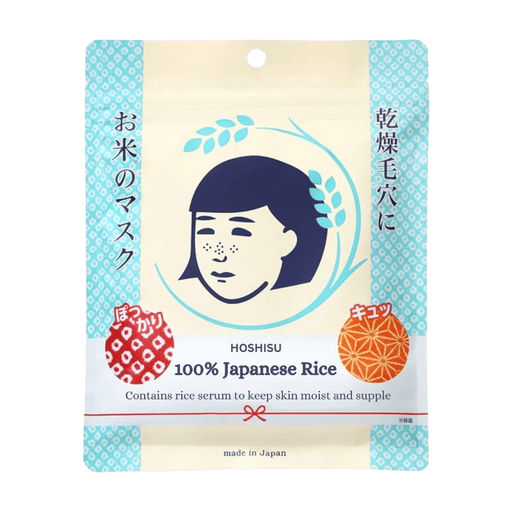
Why This Fits Their Persona: Ten individually wrapped masks provide a manageable way to establish a weekly routine without committing to a large daily-use pack.
The pack quantity is clearly stated, while the fragrance-free, colourant-free and mineral-oil-free formula makes the ingredient check more straightforward.
Made in Japan; includes fermented rice extract, rice bran oil and glucosylceramide; recommended wear time is 5–10 minutes.
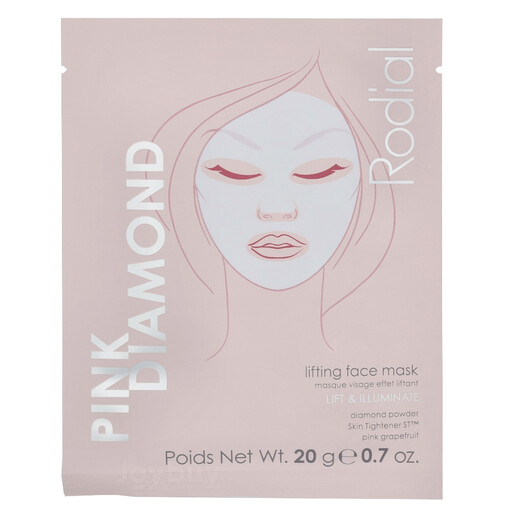
Why This Fits Their Persona: A four-mask format suits occasional pre-event preparation or a planned pamper evening rather than frequent daily use.
The bio-cellulose construction is described clearly, so shoppers can distinguish a close-fitting gel sheet from an ordinary fabric mask.
Ultra-thin bio-cellulose format; includes sodium hyaluronate, panthenol and grapefruit extract; 15–20-minute application.
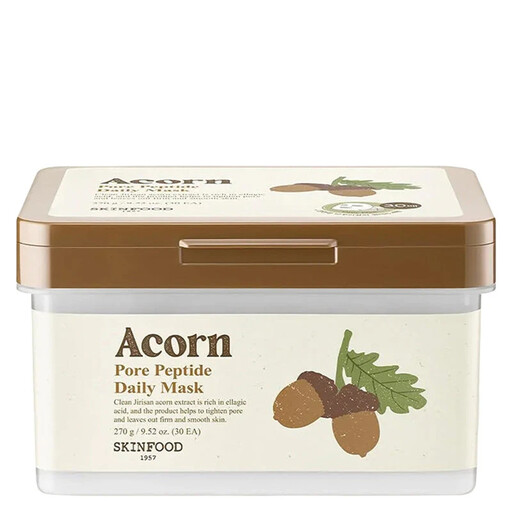
Why This Fits Their Persona: The 30-piece format is designed for shoppers who want a regular mask step and prefer a pore-refining face mask for oily or combination skin.
The larger pack makes the cost-per-use easier to assess, while the lightweight sheet is specified for regular application rather than occasional luxury use.
30 masks per pack; contains niacinamide, acorn extract and peptide ingredients; designed for 10–20 minutes of use.
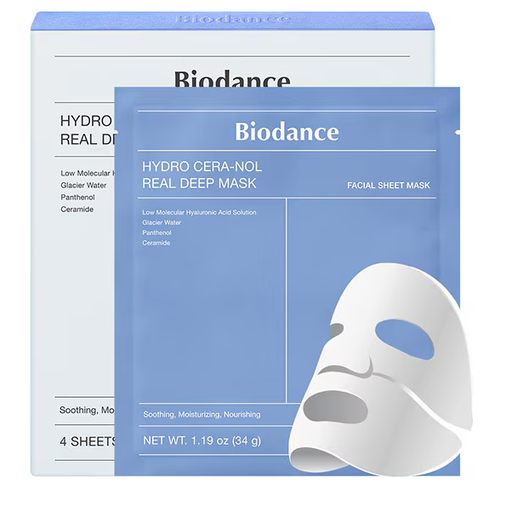
Why This Fits Their Persona: The hydrogel format is suited to users wanting a close-fitting, slower treatment for skin that feels dry or sensitised.
The formula lists panthenol, multiple hyaluronic acid forms and a ceramide complex, allowing shoppers to assess the barrier-focused ingredients directly.
Hydrogel texture; four-mask pack; contains panthenol, ceramides, allantoin and hyaluronic acid derivatives.
We have compiled a complete, real-time list of products that fully satisfy these strict selection criteria and UK safety regulations.
Cleanse first and apply the mask according to the packet instructions. Do not sleep in a conventional sheet mask, and do not leave it on longer than directed; once the sheet dries, it may feel tight rather than comfortable.
Avoid broken, sunburnt or irritated skin. If you are trying a new Korean face mask or Japanese face mask, consider a small patch test first. Stop using it if persistent redness, itching, swelling or burning develops, and seek professional advice if symptoms continue.
Use remaining essence on the neck only if the product instructions allow it. Finish with a moisturiser to reduce water loss, and use sunscreen during the daytime when appropriate.
It depends on the product and your skin. Many moisturising face mask instructions suggest one to three applications per week, while some daily masks are specifically packaged for frequent use. Always follow the individual product directions rather than assuming more frequent use will produce better results.
They may be comfortable because they hug the skin and can feel cooling, but the material alone does not determine suitability. Check the complete ingredient list for fragrance, alcohol, citrus ingredients and essential oils, then patch test before applying it to the whole face.
Check the packaging for the batch number, shelf-life guidance and storage instructions. Keep unopened masks away from direct sunlight, heat and excess humidity. Do not use a sachet if the packaging is damaged or the essence has developed an unusual smell or appearance.