
24/7 Customer Support

Free returns

Same-day & Next-day Delivery

Quality Guaranteed

Unlock Your Welcome Offers: FREE Delivery | Up to 80% OFF | Free 30-day JoyPlus trial
Download the APP
Finding the right daily facial sunscreen can feel like a never-ending quest. You want effective protection without the sticky, greasy finish or the ghostly white cast that ruins your makeup. As a Joybuy Product Recommendation Officer, my role is to help you navigate the crowded market and find a face SPF that genuinely works for your skin and lifestyle, without falling for common marketing ploys.
Before you add another disappointing bottle to your collection, let’s look at the frequent pitfalls that catch out even savvy UK shoppers.
To make a smart choice, focus on these core parameters. They are the non-negotiable factors that determine a product's performance and suitability for daily use.
The most crucial job of your sunscreen is to protect you from UV radiation. This comes in two main forms:
Always look for the term "Broad-Spectrum" on the label. This confirms the product protects against both UVA and UVB rays. Many modern formulas, particularly those from Asia, also use the PA rating system (e.g., PA+++ or PA++++) to specify the level of UVA protection, with more plus signs indicating higher protection.
The feel of a sunscreen is what will make you want to wear it every day. Modern formulations have moved far beyond the thick creams of the past. Consider what finish will work for you:
Instead of a one-size-fits-all approach, we've matched some standout options to specific needs and lifestyles.
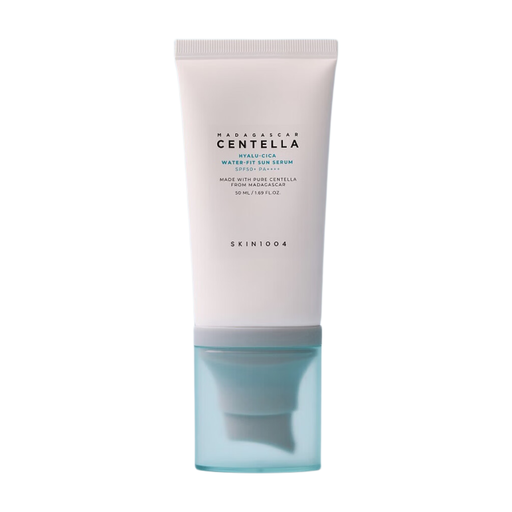
Why This Fits Their Persona: This formula is perfect for someone who needs reliable daily protection that feels invisible. Its serum-like texture absorbs instantly, making it ideal for busy mornings and layering under makeup without pilling or adding shine during a commute.
It sidesteps the "white cast" trap by being a completely clear serum. It also avoids the "sensitive skin" pitfall by being formulated without fragrance or alcohol and including soothing Centella Asiatica.
Its primary advantage is the ultra-light, watery texture that feels more like a hydrating skincare step than a sunscreen. It combines Hyaluronic Acid and Centella Asiatica to hydrate and calm the skin simultaneously.
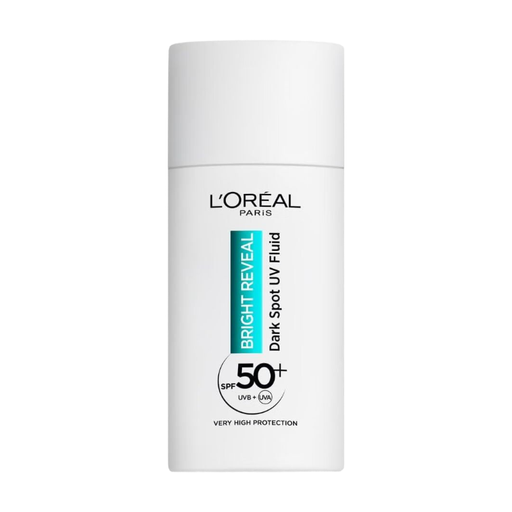
Why This Fits Their Persona: This is for the person who wants their sunscreen to work harder. It combines high SPF 50 protection with active ingredients like Vitamin C and Vitamin E, making it an effective anti-ageing sun cream that helps address existing concerns like dark spots while preventing future damage.
It avoids the "all-in-one that fails" trap by delivering a potent combination of high SPF and proven antioxidants in a cosmetically elegant fluid. Its invisible, non-greasy texture also means it won't leave a white cast.
The dual-action formula protects from UV damage while actively working to brighten the complexion and defend against environmental stressors. It's also validated by dermatologists and suitable for sensitive skin.
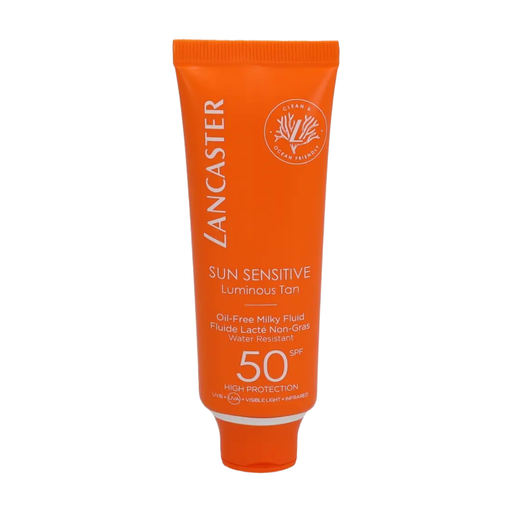
Why This Fits Their Persona: For those who spend more time outdoors and have sun-sensitive skin, this is a robust choice. It offers protection beyond just UVA/UVB, is water-resistant, and is specifically formulated to reduce redness and irritation, providing comfort during prolonged sun exposure.
It directly counters the "gentle formula that irritates" trap with its Sensiboost Complex. The oil-free, milky fluid texture also ensures it avoids the heavy, greasy feeling of many high-protection, water-resistant sunscreens.
Its patented Full Light Technology shields skin from UVA, UVB, Visible Light and Infrared rays. The formula is also ocean-friendly and provides a non-greasy, "bare-skin" feel.
We have compiled a complete, real-time list of products that fully satisfy these strict selection criteria and UK safety regulations.
A common guideline is the "two-finger rule." Squeeze a line of sunscreen onto your index and middle fingers, from the base to the tip. This amount is generally sufficient for your face and neck. Applying too little will significantly reduce the level of protection stated on the bottle.
This depends on your skin type and the product's formula. If you have oily or combination skin, a good hydrating SPF with a serum or gel-cream texture may provide enough moisture for you to skip a separate cream in the morning. However, if you have dry or dehydrated skin, you will likely benefit from applying your regular moisturiser first and letting it absorb before applying your sunscreen.
Yes. While UVB rays (the burning rays) are weaker in the winter, UVA rays (the ageing rays) remain present year-round. They can penetrate through clouds and windows, so wearing a daily facial sunscreen is a crucial step for protecting your skin's long-term health and appearance, regardless of the season.