
24/7 Customer Support

Free returns

Same-day & Next-day Delivery

Quality Guaranteed

Unlock Your Welcome Offers: FREE Delivery | Up to 80% OFF | Free 30-day JoyPlus trial
Download the APP
Navigating the world of daily sun protection can feel like a full-time job. With endless shelves of lotions and fluids all promising the earth, it's easy to end up with a product that feels greasy, leaves a chalky residue or worse, irritates your skin. As a Joybuy Product Recommendation Officer, my role is to help you see past the marketing jargon and focus on what truly matters for your skin and your wallet.
Before you add another disappointing bottle to your collection, let's look at the common pitfalls that catch out even the most discerning UK shoppers.
To avoid these traps, focus on a few core parameters. Getting these right is the key to finding a daily facial sunscreen you'll genuinely want to wear every single day.
A high SPF is a great start, but it's only half the story. For comprehensive protection, you need a 'broad-spectrum' formula that shields you from both types of harmful UV rays.
The active ingredients that provide sun protection fall into two main categories. Neither is inherently better, but one may be more suitable for your skin type.
The best sunscreen is one you'll wear consistently. The texture and finish are just as important as the protection level.
Instead of a generic list, we've matched some standout options to specific user needs. This helps you find a product that solves your unique skin challenges.
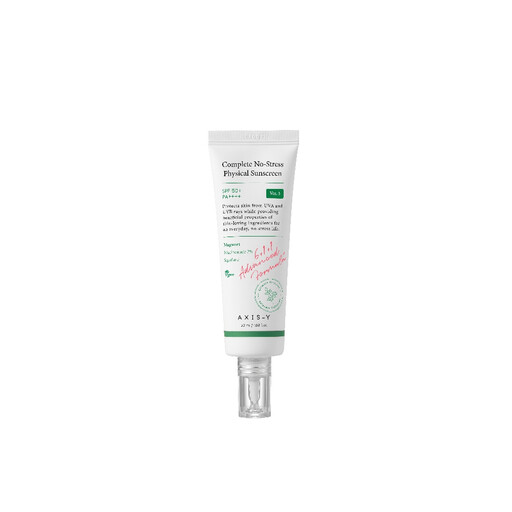
Why This Fits Their Persona: This user needs gentle yet effective protection without the risk of irritation. This physical sunscreen uses a zinc oxide base, which is often better tolerated by reactive skin, and includes soothing ingredients like mugwort and centella to calm the complexion.
It directly counters the vague "sensitive skin" label by using a mineral filter and a formula specifically designed to soothe, not just protect. The texture is formulated to avoid the chalkiness often associated with physical sunscreens.
SPF50+ PA++++ high defence with a non-chalky finish. The vegan-friendly formula is infused with skin-calming plant extracts.
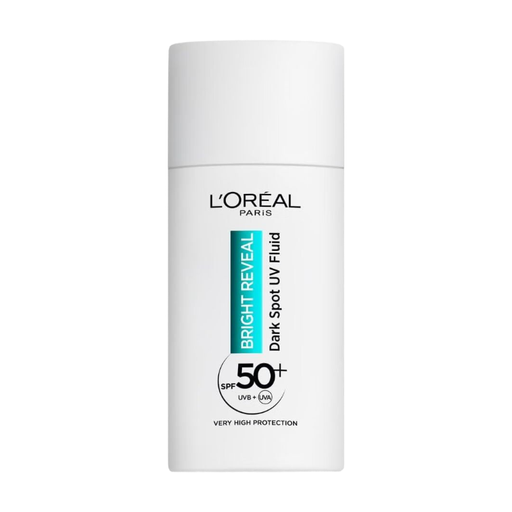
Why This Fits Their Persona: This user views sunscreen as a key anti-ageing sunscreen step. They want high UVA/UVB protection combined with ingredients that actively work to improve skin tone and reduce the appearance of dark spots.
It avoids the trap of focusing only on SPF by delivering broad-spectrum protection and adding skincare benefits. The formula with Vitamin C and E targets sun-induced signs of ageing, making it more than just a sunblock.
A lightweight non-greasy texture with no white cast. It also functions as a makeup primer, streamlining the morning routine.
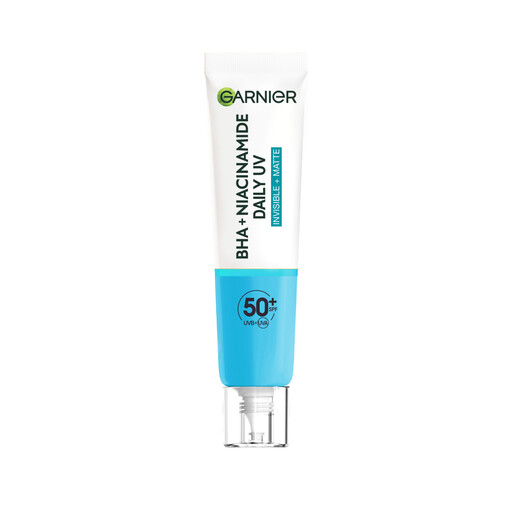
Why This Fits Their Persona: For those with oily or blemish-prone skin, the thought of applying a daily sunscreen can be daunting. This user needs a formula that provides high protection without adding grease, clogging pores or feeling heavy on the skin.
It tackles the "greasy finish" pitfall head-on. The formula contains BHA (Salicylic Acid) and Niacinamide, actives known for reducing blemishes and mattifying the skin, making it ideal for oily types.
An ultra-lightweight fluid with an invisible, matte finish. It's non-comedogenic and specifically formulated to help reduce the appearance of imperfections and pores.
We have compiled a complete, real-time list of products that fully satisfy these strict selection criteria and UK safety regulations.
The general guidance for the face is the "two-finger rule." Squeeze a line of sunscreen onto your index and middle fingers from base to tip. This amount is typically enough to provide adequate coverage for your face and neck, ensuring you achieve the stated SPF level on the bottle. Applying too little will significantly reduce your protection.
This depends on your skin type and the product's formulation. For those with oily or normal skin, a moisturising sun protection formula may provide enough hydration to replace a separate moisturiser in the morning. If you have dry or dehydrated skin, you will likely benefit from applying your sunscreen on top of your usual moisturiser for an extra layer of comfort and hydration.
While both protect you from the sun, facial sunscreens are specifically formulated for the more delicate skin on your face. They are typically more lightweight, less greasy and often non-comedogenic to avoid clogging pores. Many also include added skincare ingredients and are designed to sit well under makeup, offering a more 'cosmetically elegant' experience than their body-focused counterparts.