
24/7 Customer Support

Free returns

Same-day & Next-day Delivery

Quality Guaranteed

Unlock Your Welcome Offers: FREE Delivery | Up to 80% OFF | Free 30-day JoyPlus trial
Download the APP
Applying face sunscreen daily is one of the most important steps for maintaining skin health, yet finding the right one can feel like a chore. The market is saturated with options and many fall short of their promises, leading to wasted money and frustration. Before you make your next purchase, it's worth understanding the common traps that catch out even savvy shoppers.
Many of us have been caught out by a few recurring issues. First, there's the promise of an "invisible finish" that turns out to be a thick, chalky layer, leaving a noticeable no white cast sunscreen claim feeling hollow, especially on deeper skin tones. Another frequent problem is the texture; a product labelled as a lightweight sunscreen can feel surprisingly greasy upon application, refusing to sit well under makeup and causing pilling. Finally, many sunscreens are marketed with added "skincare benefits" that sound impressive but may not be formulated in a way that delivers real results, or worse, can cause irritation on sensitive skin.
To navigate the shelves with confidence, focus on a few key technical details. These non-negotiable parameters will help you filter out the marketing jargon and find a product that truly works for your daily routine.
The most crucial function of a face sunscreen is protection. This is measured by two main ratings:
The way a sunscreen feels and looks on your skin is just as important as its protection level, especially for daily wear. The texture is largely determined by its formula and UV filters.
Instead of a generic list, we've matched some standout options to specific user needs, helping you find a formula that fits your lifestyle.
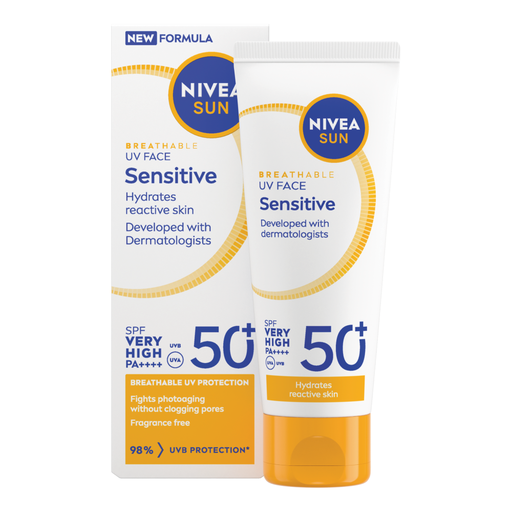
Why This Fits Their Persona: This user needs a reliable, gentle formula for daily wear that won't cause redness or irritation. It must be comfortable enough for the commute and sit invisibly under light makeup in an office environment.
It directly counters the "irritating skincare benefits" trap. The formula is specifically developed for sensitive skin, focusing on soothing and hydrating without unnecessary, potentially reactive ingredients.
Its lightweight, 0% greasy and non-comedogenic formula provides a comfortable, invisible finish that is ideal for layering. It helps prevent sun allergies and irritations.
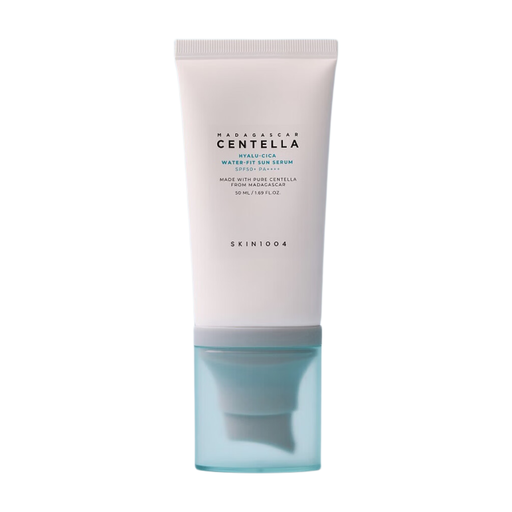
Why This Fits Their Persona: This user values cosmetic elegance above all. They want a multi-tasking product that feels like skincare, provides a radiant "glass skin" finish and offers the high UVA protection (PA++++) typical of Korean formulations.
It sidesteps the "invisible finish that isn't" pitfall. Its ultra-light, serum-like texture absorbs instantly and dries down completely clear, leaving a dewy glow with absolutely no white cast or greasy film.
The "Hyalu-Cica" formula combines hyaluronic acid and centella asiatica to both hydrate and soothe the skin. It's so lightweight it can often replace a morning moisturiser for those with oily or combination skin.
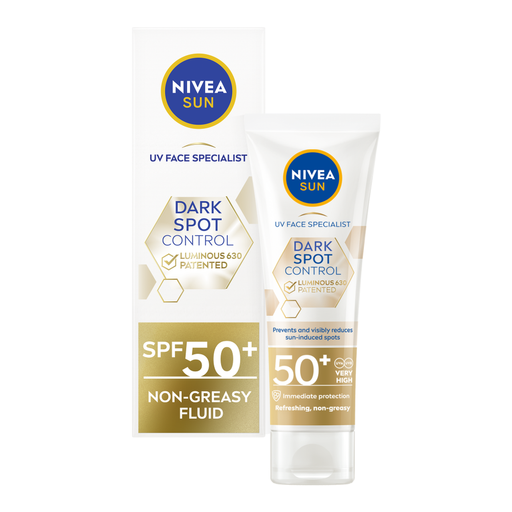
Why This Fits Their Persona: This individual is looking for a dual-action product that provides high-level sun protection while actively addressing existing signs of sun damage, such as dark spots and uneven tone.
It avoids the vague "skincare benefits" trap by incorporating a specific, patented ingredient—Luminous630—which is targeted at reducing the appearance of sun-induced dark spots, offering a clear, functional purpose beyond just UV protection.
This is a 2-in-1 sun care and dark spot treatment fluid. The lightweight, non-greasy texture is suitable for all skin types and provides a smooth base for makeup while working on evening out the complexion.
We have compiled a complete, real-time list of products that fully satisfy these strict selection criteria and UK safety regulations.
1. How much face sunscreen should I actually use? A common guideline is the "two-finger rule." Squeeze a line of sunscreen onto your index and middle fingers, from the base to the tip. This amount is generally sufficient to cover your face and neck adequately. Under-applying significantly reduces the level of protection stated on the bottle.
2. Can I skip my moisturiser if my sunscreen is hydrating? This depends on your skin type and the product. If you have oily or combination skin, a hydrating sunscreen with a serum or essence texture may provide enough moisture for your morning routine. However, if you have dry or dehydrated skin, you will likely still benefit from applying a dedicated moisturiser first and allowing it to absorb before applying your sunscreen.