
24/7 Customer Support

Free returns

Same-day & Next-day Delivery

Quality Guaranteed

Unlock Your Welcome Offers: FREE Delivery | Up to 80% OFF | Free 30-day JoyPlus trial
Download the APP
By Joybuy Product Recommendation Officer
Choosing a face wash cleanser should be straightforward, but product descriptions often make similar formulas sound completely different. A foaming face cleanser may promise deep cleansing, while a gentle face wash highlights hydration and comfort. The right choice depends less on impressive wording and more on your skin’s needs, the formula and how you intend to use it.
A rich lather can feel satisfying, but foam volume does not automatically indicate stronger cleansing. Some high-foaming products may leave dry or tight-feeling skin, particularly when used twice daily. If your face feels uncomfortable after washing, the cleanser may be removing too much surface oil or you may be using too much product.
A pore cleansing face wash containing salicylic acid, AHA, PHA or physical particles may help remove surface build-up, but using several exfoliating products together can be uncomfortable for some people. “Deep cleansing” is not a reason to scrub harder or leave an exfoliating formula on for longer than instructed.
Terms such as “sensitive”, “hydrating” and “oil control” are useful starting points, not guarantees. Check the full ingredient list on the packaging, particularly if you avoid fragrance, essential oils, alcohol or specific preservatives. Product formulas and packaging information can change, so the pack should take priority over older online descriptions.
A daily face wash should remove sweat, excess sebum and ordinary daily dirt without leaving persistent tightness. Cream and milky formulas are often suited to dry or sensitive-feeling skin, while gel and foaming formats may appeal to combination or oily skin.
Look for practical details such as:
A facial cleanser is not a substitute for medical treatment. If you have persistent acne, eczema or ongoing irritation, seek advice from a qualified healthcare professional.
Ingredients such as glycerin, hyaluronic acid, panthenol, betaine and plant-derived emollients can support a more comfortable cleansing experience. They do not guarantee a particular result, but their presence may be useful when your main concern is dryness after washing.
For a sensitive skin cleanser, also consider a shorter ingredient list and avoid introducing several new active products at once. A patch test can help identify obvious sensitivity, although it cannot predict every reaction.
AHA, BHA and PHA are commonly used in exfoliating face wash formulas. BHA, such as salicylic acid, is often selected by shoppers concerned about excess oil and congestion. AHA and PHA are used in products aimed at smoothing the feel of uneven surface texture.
Check the instructions carefully:
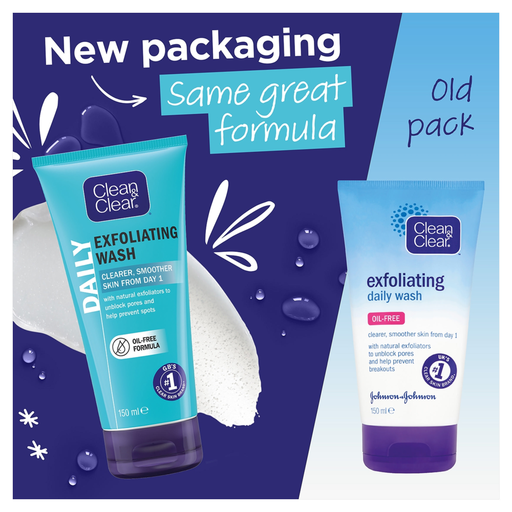
Why This Fits Their Persona: A 150ml face wash scrub offers a simple format for shoppers starting a basic cleansing routine and looking for an oil-free formula.
The product description identifies natural exfoliators and gives clear rinse-off directions, helping users avoid treating a scrub as a leave-on treatment.
Oil-free formula; contains cellulose exfoliating particles and lactic acid in the listed ingredients.
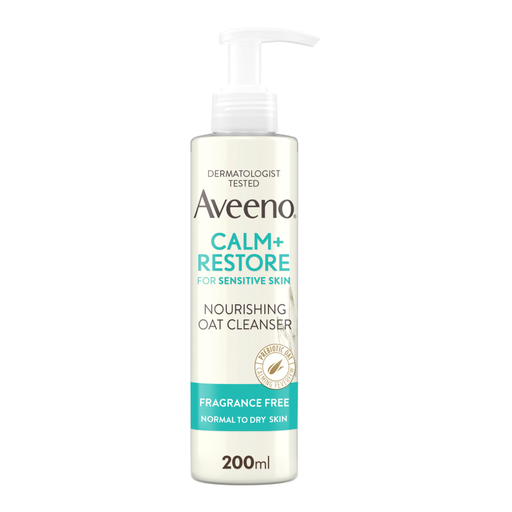
Why This Fits Their Persona: A practical option for UK shoppers who prioritise a fragrance-free, milky gel cream texture and a comfortable cleanse for sensitive-feeling skin.
Its listed formula excludes fragrance, parabens, sulphates, alcohol and dye, helping shoppers screen out several commonly avoided ingredients.
Contains oat, feverfew, glycerin and sodium hyaluronate; 200ml bottle with 30% post-consumer recycled material.
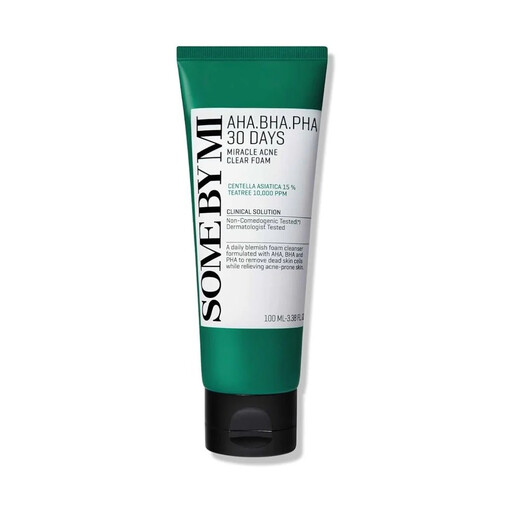
Why This Fits Their Persona: Suitable for shoppers specifically comparing an acne face wash or exfoliating face wash for oily, congested skin.
The formula clearly lists salicylic acid, gluconolactone and citric acid, so shoppers can account for exfoliation rather than adding actives unknowingly.
Cream-to-foam texture; directions advise reducing use or massage time for acid-sensitive skin.
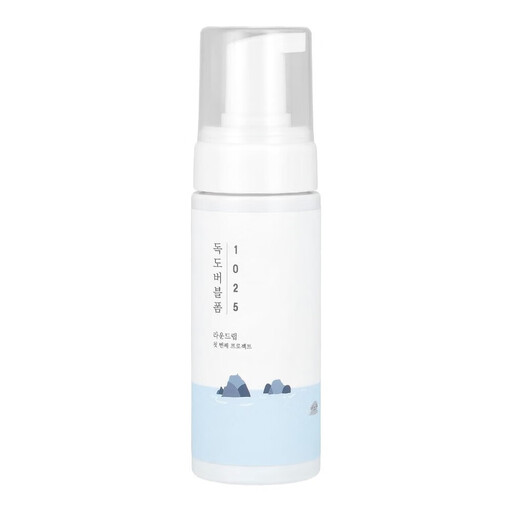
Why This Fits Their Persona: A convenient pump format for shoppers seeking a Korean skincare cleanser with low-pH positioning and a ready-made foam texture.
The product information specifies amino-acid surfactants and a low-pH formula, giving useful details beyond a general “gentle” label.
Includes glycerin, hyaluronic acid, panthenol and allantoin; dispenses one to two pumps according to the directions.
We have compiled a complete, real-time list of products that fully satisfy these strict selection criteria and UK safety regulations.
Many products are designed for morning and evening use, but frequency depends on your skin and routine. Once daily may be sufficient for dry or easily irritated skin, while people who exercise, sweat heavily or produce more oil may prefer two washes. Follow the product directions and reduce frequency if discomfort develops.
A 100–150ml cleanser commonly lasts several weeks to a few months, depending on the amount used and whether it is applied once or twice daily. Pumps can make portion control easier. Store the product as directed and check the packaging for the period-after-opening symbol, batch details and any expiry information.
Some gel and foaming cleansers are described as removing light make-up or sunscreen residue, but heavy or water-resistant products may need a separate first cleanse. Avoid prolonged rubbing to compensate for a cleanser that is not designed for those products.