
24/7 Customer Support

Free returns

Same-day & Next-day Delivery

Quality Guaranteed

Unlock Your Welcome Offers: FREE Delivery | Up to 80% OFF | Free 30-day JoyPlus trial
Download the APP
A face moisturiser can improve comfort, softness and the way makeup sits on the skin, but choosing one is not simply a matter of picking the most attractive packaging. UK shoppers often pay for features they do not need, overlook ingredients that may not suit them, or expect a moisturiser with SPF to replace dedicated sun protection.
This guide explains the practical details worth checking before you buy, followed by our top recommendations for different skin profiles.
A lengthy ingredients list may contain useful humectants, emollients and barrier-supporting ingredients, but it does not automatically make a product suitable for your skin. A formula containing several botanical extracts, fragrance or essential-oil allergens may be less comfortable for someone prone to sensitivity.
Look beyond front-of-pack claims and check the full ingredients list. Glycerin, hyaluronic acid, panthenol, beta-glucan, squalane and ceramides are commonly used to support hydration or reduce moisture loss. However, individual tolerance varies, so patch testing is sensible when trying a new facial moisturiser.
A day moisturiser with SPF can be convenient for ordinary daily routines, but SPF15 or SPF20 provides a lower level of protection than many dedicated sunscreens. Application amount also affects the protection achieved.
If you are spending extended time outdoors, particularly during strong sunlight, use a dedicated broad-spectrum sunscreen and reapply it according to its instructions. Treat SPF in a moisturiser as an added feature rather than a complete replacement.
A rich hydrating face cream may feel comfortable on dry skin overnight but become uncomfortable under makeup or during a warm commute. Conversely, a lightweight gel may absorb quickly yet feel insufficient in cold weather or in centrally heated rooms.
Consider when and where you will use the product. A day moisturiser may need a quick-absorbing finish, while a skin barrier cream can be denser and more protective for evening use or particularly dry areas.
Dehydrated skin can still be oily, so do not rely on skin type labels alone. Look for a balance of water-binding ingredients and a finish you can comfortably wear every day.
For dryness, tightness or seasonal discomfort, consider formulas containing ceramides, cholesterol, fatty acids, panthenol, squalane or oat ingredients. These ingredients are used in products designed to reduce moisture loss and leave skin feeling more comfortable.
A sensitive skin moisturiser should also be assessed for potential irritants. Fragrance-free options can be a practical starting point, while products containing perfume, alcohol denat. or listed fragrance allergens may not suit everyone.
A niacinamide moisturiser may be appealing for shoppers concerned about uneven-looking tone, visible pores or barrier support. Vitamin C derivatives are commonly included in brightening formulas, while collagen cream products generally provide surface moisturisation and conditioning rather than replacing the body’s collagen.
If you are considering an anti-ageing moisturiser, focus on practical features such as hydration, a comfortable finish and ingredients you already know your skin tolerates. Introduce one new active product at a time to make it easier to identify any unwanted reaction.
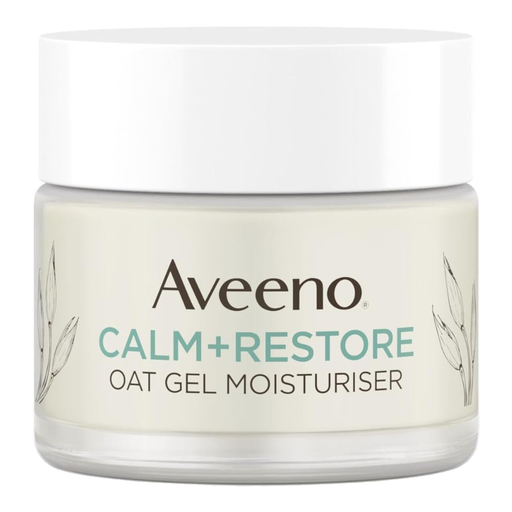
Why This Fits Their Persona: A straightforward daily option for normal-to-dry sensitive skin, particularly if you prefer a light gel cream for morning and evening use.
It has a fragrance-free formulation and a lightweight texture, avoiding unnecessary perfume and a heavy finish.
Contains oat ingredients and feverfew extract; the product listing describes it as dermatologist tested, hypoallergenic and non-comedogenic.
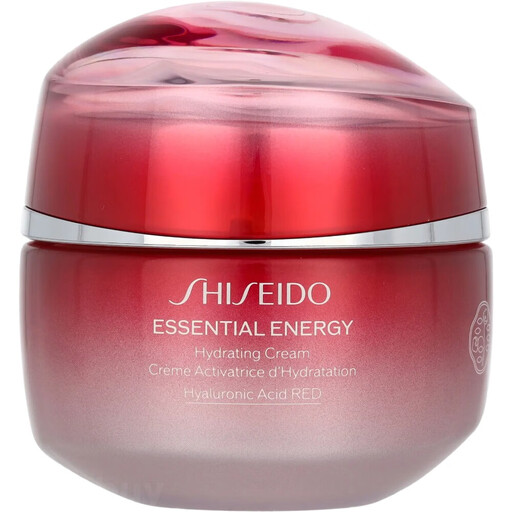
Why This Fits Their Persona: Suits shoppers seeking a polished daily cream with a refillable design and a fast-absorbing finish for a consistent skincare routine.
The refillable format gives you a specific packaging feature to evaluate rather than relying only on anti-ageing wording.
Includes sodium hyaluronate, ginseng root extract and a refillable jar design; listed as suitable for all skin types.
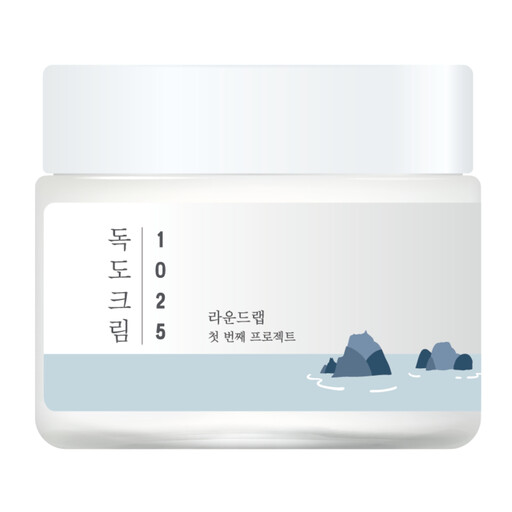
Why This Fits Their Persona: The larger 80ml size and richer cream texture make it practical for frequent use on dry or dehydrated skin, including during colder UK weather.
Its ingredient list clearly identifies five ceramides and three forms of hyaluronic acid rather than relying on a vague barrier-care claim.
Fragrance-free and alcohol-free according to the listing; also contains shea butter, panthenol and allantoin.
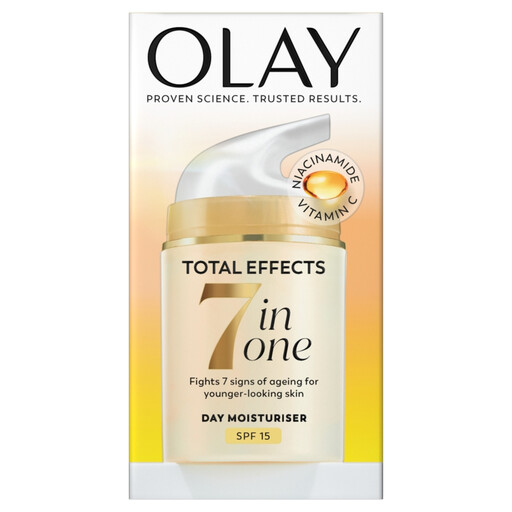
Why This Fits Their Persona: A daytime moisturiser for shoppers who want hydration, niacinamide and low-level SPF in one oil-free formula before work or errands.
The product specifies SPF15 and an oil-free texture, making its intended daytime use clearer than an unspecified “protective” claim.
Contains niacinamide, panthenol and sodium ascorbyl phosphate; designed for dry, normal and oily skin types.
We have compiled a complete, real-time list of products that fully satisfy these strict selection criteria and UK safety regulations.
Apply a suitable amount to clean skin after lighter products such as toner or serum. Use gentle outward and upward movements, avoiding direct contact with the eyes. In the morning, apply sunscreen separately when needed.
Before applying a new fragrance-free moisturiser, Korean face cream or active formula across the whole face, patch test it on a small area and follow the product’s instructions. Stop using it if persistent redness, itching, burning or swelling occurs.
A thin, even layer is usually sufficient for the face and neck. Start with a small amount, then add more to dry areas if necessary. Applying too much can leave residue without improving comfort.
Yes, provided the texture and ingredients suit your routine. However, SPF in a day moisturiser does not provide a reason to use it at night, and a richer evening cream may feel more comfortable for dry skin.
Check the packaging for the open-jar symbol and storage guidance. Keep the container closed, away from direct sunlight and excessive heat. Discard the product if its smell, colour or texture changes, even if the stated period has not elapsed.