
24/7 Customer Support

Free returns

Same-day & Next-day Delivery

Quality Guaranteed

Unlock Your Welcome Offers: FREE Delivery | Up to 80% OFF | Free 30-day JoyPlus trial
Download the APP
Choosing a face moisturiser should be straightforward, yet crowded skincare shelves make it easy to spend money on a formula that feels uncomfortable, causes congestion or does not suit your daily routine. The right facial moisturiser should support your skin’s moisture balance while fitting your texture, ingredient and budget preferences.
This guide explains the main buying traps, the specifications worth checking and a selection of products for different UK shoppers.
Price can reflect packaging, brand positioning or specialist ingredients, but it does not automatically indicate that a moisturiser will suit your skin. A costly anti-ageing moisturiser may feel too rich for oily skin, while an inexpensive fragrance-free moisturiser may be more comfortable for someone prone to sensitivity.
Start with your skin’s practical needs rather than the product’s price or advertising language.
A moisturiser can contain effective humectants such as glycerin or hyaluronic acid without leaving an oily film. Conversely, a rich cream may reduce moisture loss but feel uncomfortable under make-up or during warmer weather.
Look for a texture that matches your routine:
These descriptions do not mean every person will tolerate the formula. Botanical extracts and essential oils can still be unsuitable for fragrance-sensitive users. A product labelled non-comedogenic may also feel different from one person to another.
Read the full ingredient list, especially if you already know you react to fragrance, alcohol, essential oils or particular preservatives. Patch testing is sensible before applying a new product across your face.
For oily skin, consider an oil-free moisturiser with a gel or water-light texture. Silicone-based formulas can provide slip and a smooth finish without necessarily adding facial oils. If your skin is combination, you may prefer a lighter formula overall and a richer cream only on dry areas.
For dry skin, check for a blend of humectants, emollients and occlusives. Glycerin and hyaluronic acid attract water, while ingredients such as squalane, plant oils, shea butter or dimethicone help soften the skin and reduce moisture loss.
If you need a moisturiser for sensitive skin, a short, fragrance-free formula can make ingredient screening easier. Panthenol, allantoin, oat and centella asiatica are common soothing-focused ingredients, although individual tolerance still varies.
A fragrance-free moisturiser is not necessarily preservative-free, but it avoids added parfum and many fragrance allergens. Check the ingredient list for terms such as “Fragrance”, “Parfum”, limonene, linalool or essential oils if these are known concerns.
For example, some products in this category are unscented, while others contain botanical or citrus oils despite using a lightweight texture. This distinction matters more than a front-label claim about freshness or purity.
A day cream with SPF can combine moisturising with some sun protection, but apply it according to the product directions and use adequate coverage. SPF 25, for example, is a stated rating rather than a guarantee that one thin layer will provide the labelled protection if too little is applied.
A moisturiser with SPF may be convenient for everyday errands. For extended outdoor exposure, follow current UK sun-safety guidance and consider a dedicated sunscreen that is easier to apply in sufficient quantity. Keep a separate evening moisturiser if your daytime product includes UV filters or has a finish you do not enjoy at night.
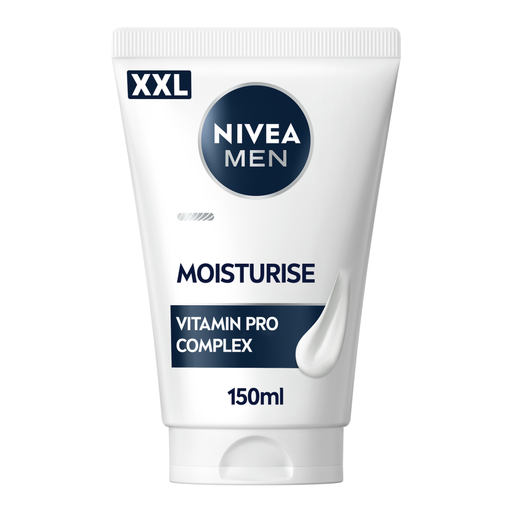
Why This Fits Their Persona: The 100ml format and fragrance-free positioning suit shoppers wanting a simple daily moisturiser for morning, evening or post-shave use.
Its stated fragrance-free formula avoids one common source of unwanted scent and helps simplify comparison for sensitive-skin shoppers.
Contains glycerin, panthenol and chamomile extract; the product description specifies a non-sticky finish.
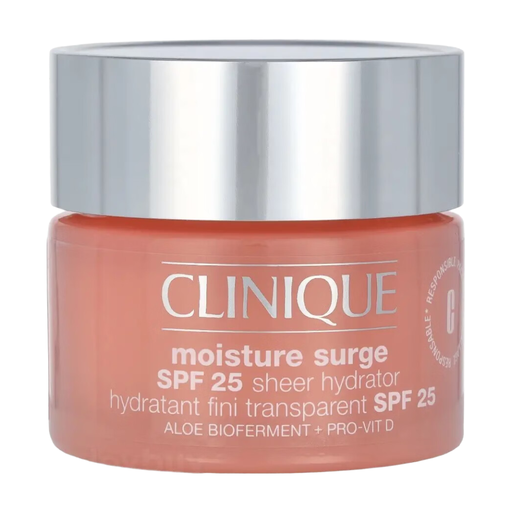
Why This Fits Their Persona: A convenient choice for commuters and make-up wearers who want daytime hydration, a sheer finish and SPF in one product.
The product details state that its pink cream blends sheer without a white cast, while its oil-free formula is designed for a non-sticky finish.
Provides SPF 25 and includes glycerin, aloe-derived polysaccharides and sodium hyaluronate.
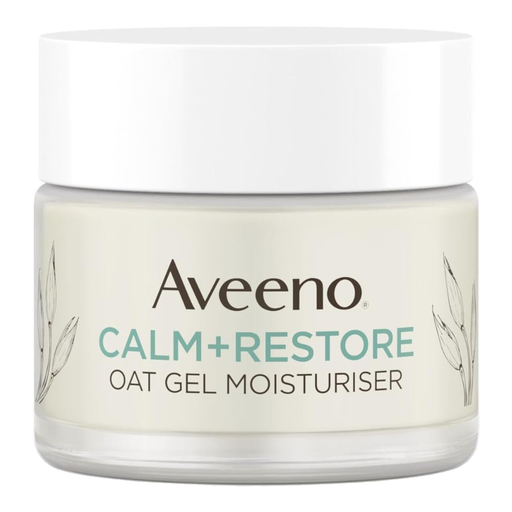
Why This Fits Their Persona: Suitable for shoppers who prefer a lightweight gel cream and are specifically looking for a fragrance-free moisturiser for sensitive or normal-to-dry skin.
The listing identifies the formula as fragrance-free, hypoallergenic and non-comedogenic, giving buyers clearer criteria than vague “gentle” wording.
Contains oat flour and oat extract, with a fast-absorbing gel cream texture.
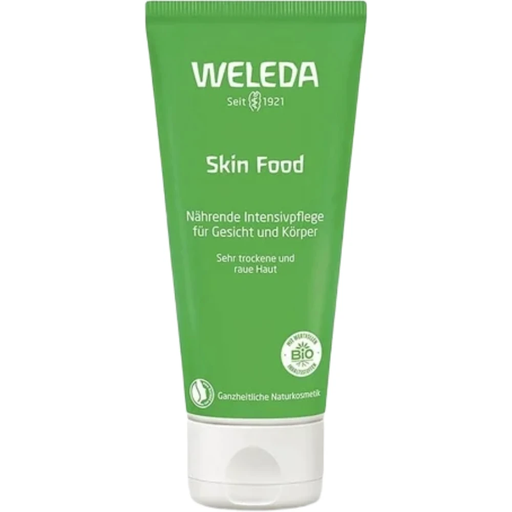
Why This Fits Their Persona: A practical option for very dry skin, winter weather or households wanting one rich cream for the face, hands and rough body areas.
Its rich consistency is clearly suited to intensive moisture, so shoppers are less likely to mistake a protective cream for a lightweight daytime gel.
Contains sunflower seed oil, sweet almond oil, beeswax and botanical extracts; it can be used on several body areas.
We have compiled a complete, real-time list of products that fully satisfy these strict selection criteria and UK safety regulations.
Apply moisturiser to clean skin after cleansing and any water-based serum. Slightly damp skin can make a humectant-rich formula feel more comfortable, but avoid applying products to broken or inflamed areas unless the packaging specifically allows it.
Use a small amount first and spread across the face and neck. In the morning, apply sunscreen as the final protective step if your moisturiser does not include SPF. In the evening, a richer skin barrier repair cream may be preferable if your skin feels tight or flaky.
The period varies by formula, packaging and usage. Check the open-jar symbol and packaging instructions rather than relying on a fixed number of months. Store products away from direct sunlight and heat, and replace them if the smell, colour or texture changes noticeably.
Yes. Skipping moisturiser can leave oily skin feeling tight and may encourage an uncomfortable cycle of excess surface oil. Choose a lightweight gel or oil-free moisturiser, apply a modest amount and observe how your skin feels throughout the day.
It can be a useful starting point if fragrance is a known concern. However, fragrance-free does not guarantee that every ingredient will suit you. Check the complete ingredient list, patch test before full use and stop applying the product if redness, itching or persistent discomfort develops.