
24/7 Customer Support

Free returns

Same-day & Next-day Delivery

Quality Guaranteed

Unlock Your Welcome Offers: FREE Delivery | Up to 80% OFF | Free 30-day JoyPlus trial
Download the APP
A face moisturiser with SPF can simplify a morning routine by combining hydration, skincare ingredients and UV protection. However, choosing the right formula is not simply a matter of selecting the highest number on the label. Moisturisers, tinted hydrators, BB creams and foundations with SPF are designed for different purposes, and marketing language can make them seem interchangeable.
Before buying, look closely at the protection level, finish, coverage and ingredient list. This helps avoid paying for a product that feels greasy, looks patchy under make-up or does not provide enough protection for how you use it.
A foundation with SPF or a tinted moisturiser with SPF is usually applied more thinly than a dedicated sunscreen. That means you may not apply enough product to reach the stated protection level. SPF 15 face moisturiser, SPF 20 face moisturiser and SPF 25 face moisturiser options can be suitable for everyday incidental exposure, such as commuting or working indoors, but extended outdoor exposure requires additional sun protection.
Look for clear UVA and UVB protection information, follow the instructions on the packaging and reapply when spending prolonged time outdoors, swimming or sweating.
A matte finish does not necessarily mean a product will feel comfortable on dry skin, while a dewy finish may not suit an oily T-zone. Ingredients such as glycerin, hyaluronic acid and aloe-derived ingredients can support a moisturised feel, while lightweight silicones and silica may contribute to a smoother or less shiny finish.
The texture should match your skin type rather than relying on claims such as “all-day comfort” or “flawless skin”.
A BB cream with SPF or tinted moisturiser can even out the appearance of skin with a lighter finish, but it may not conceal marks as fully as a foundation. Conversely, a full-coverage foundation may provide the desired complexion result but still require a separate moisturiser underneath.
SPF primarily indicates protection against UVB rays. For daily facial sun protection, also check whether the product refers to UVA protection and whether the packaging carries the UK UVA logo or equivalent clear information.
A moisturiser containing SPF is not automatically water-resistant. If you cycle, walk, exercise or spend time outdoors, check the product’s specific wear instructions.
For an oil-free moisturiser with SPF, inspect the product description and ingredient list rather than relying only on the front label. A lightweight cream or gel may feel more comfortable on combination or oily skin. Dry skin may prefer a richer day cream with SPF containing humectants and emollients.
For moisturiser for sensitive skin with SPF, consider fragrance-free options and review ingredients for anything you already know causes discomfort. Always follow the product warning and stop using it if irritation develops.
Choose based on the result you want:
Tinted products still need adequate application for their stated SPF, and shade names can vary between formulas. Check the specific shade description and product page before ordering.
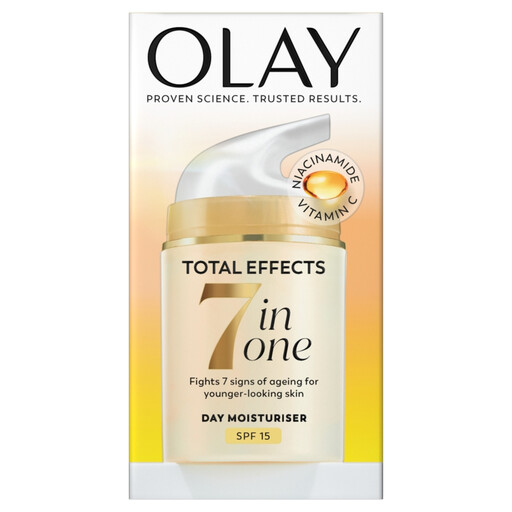
Why This Fits Their Persona: A straightforward daytime moisturiser for shoppers wanting one oil-free product for hydration and light daily UV protection.
The SPF15 level is clearly stated, so expectations are more realistic than treating a basic day moisturiser as outdoor sunscreen.
Oil-free texture, niacinamide and a 50ml format designed for regular daytime use.
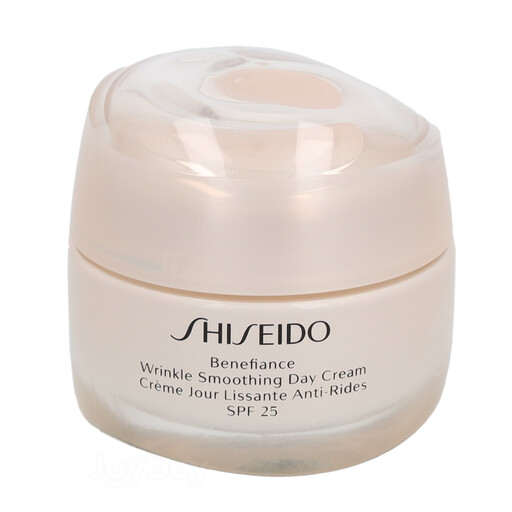
Why This Fits Their Persona: Suits shoppers seeking a richer anti-ageing moisturiser with SPF for a considered morning skincare routine.
Its SPF25, intended morning use and ingredient list are specified, helping separate everyday skincare features from unsupported promises.
Contains glycerin, dimethicone and botanical extracts, with SPF25 for daytime use.
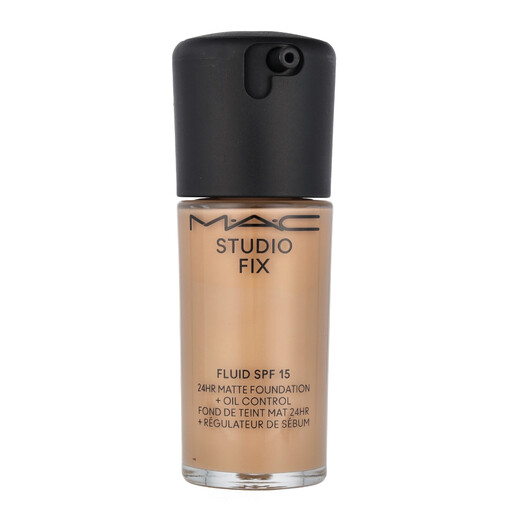
Why This Fits Their Persona: A practical choice for shoppers prioritising medium-to-full buildable coverage, oil control and a soft-matte finish.
The product is a foundation rather than a plain moisturiser, so coverage and finish are clearly defined. SPF15 should still be supplemented for longer outdoor exposure.
Oil-free formula, 30ml pump format and a stated medium-to-full buildable coverage range.
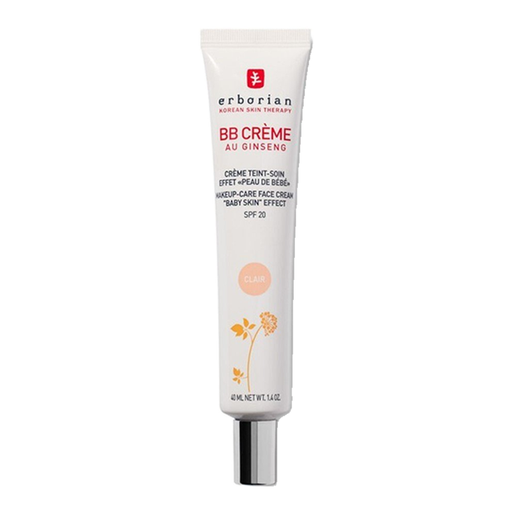
Why This Fits Their Persona: Suits users wanting a hybrid between a hydrating face cream with SPF and everyday complexion make-up.
The Chocolate shade and medium, buildable coverage are specified, reducing the risk of ordering a tint when you expected a full-coverage foundation.
40ml size, SPF20 and a formula containing glycerin and white ginseng extract.
We have compiled a complete, real-time list of products that fully satisfy these strict selection criteria and UK safety regulations.
Apply the product as the final step of your morning skincare routine, after cleansing and any serum. Spread it evenly across the face, ears and neck, taking care around the eyes. If you are using a foundation or BB cream, apply enough to cover the skin evenly rather than relying on a small amount only on areas needing colour correction.
For extended sun exposure, add a dedicated sunscreen, protective clothing and shade. Reapply according to the product instructions, particularly after sweating, swimming or towel drying.
SPF15 can suit lower-exposure routines, but it offers less UVB protection than SPF25 or SPF30. For regular outdoor activity, choose a higher-rated product or layer a dedicated sunscreen. Always check UVA protection separately.
Yes, if you only want sheer, natural-looking coverage. A tinted moisturiser is less suitable when you need substantial blemish concealment or a precisely matched shade. In that case, a foundation with SPF may offer more buildable coverage.
The usable period depends on the product’s packaging and storage guidance. Keep it away from heat and direct sunlight, close the container securely and check for changes in smell, colour or texture. Follow the stated period-after-opening symbol where provided, and replace the product if it has passed its indicated shelf life.