
24/7 Customer Support

Free returns

Same-day & Next-day Delivery

Quality Guaranteed

Unlock Your Welcome Offers: FREE Delivery | Up to 80% OFF | Free 30-day JoyPlus trial
Download the APP
Facial and after-sun sprays can make a skincare routine more convenient, particularly during travel, warm weather or after outdoor activities. However, the wrong product may leave skin feeling tight, heavily fragranced or insufficiently moisturised.
Before buying, look beyond phrases such as “instant glow” or “deep hydration”. The formula, bottle size and intended use matter more than attractive packaging. This guide explains the main buying pitfalls and compares suitable options for different UK lifestyles.
A fine spray can make skin feel cooler and more comfortable, but a water-based facial mist may not provide lasting moisture on its own. Look for supporting ingredients such as glycerin, aloe vera, hyaluronic acid, sodium hyaluronate or coconut water. If your skin is dry, apply the mist before a moisturiser rather than treating it as a complete skincare step.
A hydrating facial mist and an after-sun spray have different purposes. Facial sprays are generally designed for refreshing or layering with skincare and make-up. After-sun products are formulated for larger areas of sun-exposed skin and may contain emollients designed to reduce feelings of dryness or tightness.
Neither type replaces sunscreen, and after-sun products should not be used to extend safe time in direct sunlight. If skin is blistered, broken or severely painful, seek appropriate medical advice rather than relying on a cosmetic product.
Rosewater, essential oils, perfume and botanical extracts may appeal to shoppers looking for a pleasant sensory experience, but they are not suitable for everyone. If you are searching for a facial spray for sensitive skin, inspect the full ingredient list and consider fragrance-free formulas. Always follow the packaging instructions and stop use if irritation develops.
Choose a product according to where and why you will use it:
Aloe vera facial spray formulas are commonly chosen for a lightweight, cooling feel, while a hypochlorous acid facial spray may appeal to shoppers seeking a simple, no-rinse mist. Check whether the product is intended for facial use, body use or both.
For dehydrated skin, humectants such as glycerin and hyaluronic acid help attract water to the skin’s surface. Aloe vera, chamomile and botanical extracts can provide a comfortable, refreshing feel, although individual tolerance varies.
If you prefer a rosewater face mist, check whether it also contains perfume or additional fragrance allergens. A fragrance-free formula may be more suitable if you are prone to sensitivity. The Mario Badescu hypochlorous spray listed below contains water, sodium chloride and hypochlorous acid, with no added fragrance or alcohol stated in the supplied product information.
A travel-size facial mist of around 59ml is convenient for a handbag, desk drawer or holiday washbag. Larger 150ml to 236ml bottles may offer better value for regular home use, but they take up more space.
Check the nozzle produces an even mist rather than a concentrated stream. Keep sprays away from direct heat and sunlight, and follow the label’s storage and period-after-opening guidance. Some aerosol or alcohol-containing products may also have flammability warnings.
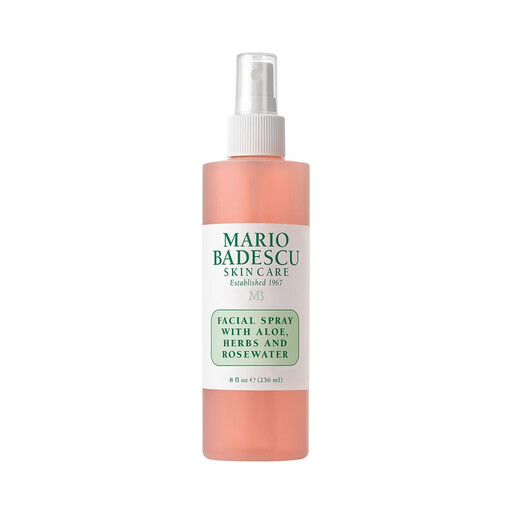
Why This Fits Their Persona: The 236ml format suits regular home use for shoppers who want an aloe vera facial spray for the face, neck or hair.
The listed formula and directions make its face-focused purpose clear, helping avoid buying a body-only after-sun product for everyday facial refreshment.
236ml capacity; contains aloe, rosewater and botanical extracts; alcohol-free and silicone-free according to the supplied details.
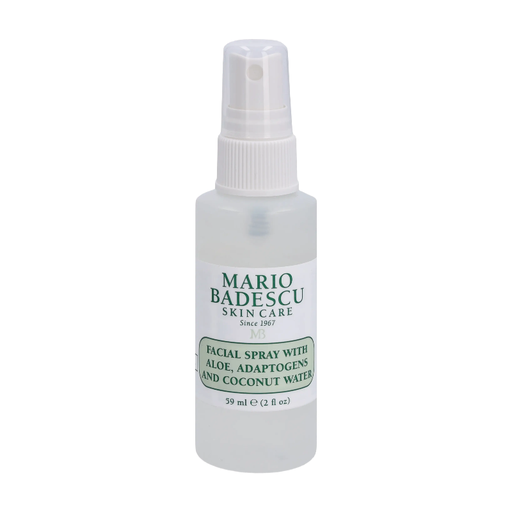
Why This Fits Their Persona: This compact mist suits shoppers who want a multi-purpose product for hydration, make-up preparation and refreshment during travel or workdays.
Its ingredient list identifies sodium hyaluronate, aloe, niacinamide and coconut water, rather than relying only on a vague “fresh glow” description.
59ml travel-friendly bottle; fragrance-free and alcohol-free according to the supplied product details; can be used before or after moisturiser.
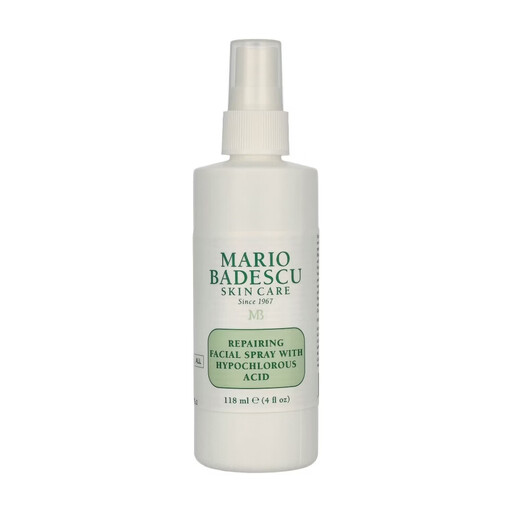
Why This Fits Their Persona: A practical choice for people wanting an on-the-go facial spray after exercise, commuting or other situations where a no-rinse refresh is useful.
The formula is short and clearly listed as water, sodium chloride and hypochlorous acid, helping shoppers assess it without navigating a long fragrance-heavy ingredient list.
118ml size; no-rinse format; free from added fragrance, dyes, parabens and alcohol according to the supplied information.
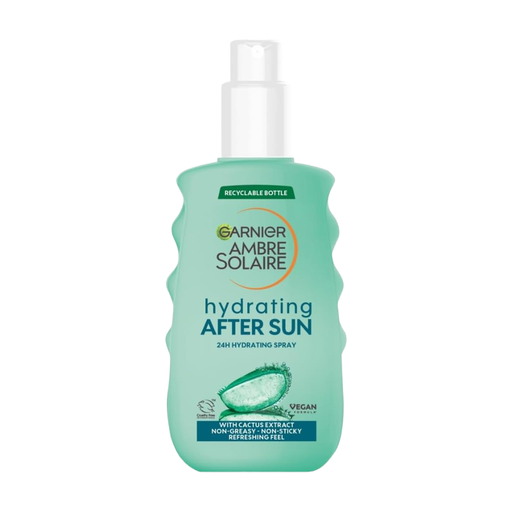
Why This Fits Their Persona: The 150ml spray format is suited to applying after outdoor activities or holidays when larger areas of sun-exposed skin need lightweight post-sun care.
The directions specify shaking, spraying from 15–20cm and applying evenly, reducing the risk of uneven coverage from an awkward bottle design.
150ml spray format; contains glycerin, tocopherol and bisabolol; supplied instructions advise avoiding broken or irritated skin.
We have compiled a complete, real-time list of products that fully satisfy these strict selection criteria and UK safety regulations.
For a facial mist, hold the bottle a short distance from your face, close your eyes and mouth, then spray evenly. Allow it to settle or gently pat it in. Apply before moisturiser if your aim is to retain hydration, or follow the product directions when using it over make-up.
For an after-sun spray, apply to clean skin after showering and follow the stated distance and coverage instructions. Do not spray into the eyes, inhale the mist or apply to open wounds. A separate after-sun lotion may be more suitable if you prefer a richer layer.
Usually, no. A mist may add a temporary refreshing or hydrated feel, but a moisturiser helps provide a more substantial emollient layer. For dehydrated skin, apply a facial spray first and moisturiser afterwards.
Only if the packaging specifically states that it is suitable for facial use. Some after-sun products contain fragrance or ingredients intended for body application. Check the label before use and avoid the eye area.
Shelf life varies by formula, packaging and storage. Check the expiry information, batch details and period-after-opening symbol on the bottle. Store the product away from direct sunlight and heat, and do not use it if its smell, colour or texture changes noticeably.