
24/7 Customer Support

Free returns

Same-day & Next-day Delivery

Quality Guaranteed

Unlock Your Welcome Offers: FREE Delivery | Up to 80% OFF | Free 30-day JoyPlus trial
Download the APP
Choosing a facial cleanser sounds straightforward until you are faced with gels, creams, foams, low-pH formulas, pore-cleansing ingredients and fragrance-free options. The right face wash should remove daily impurities without leaving your skin uncomfortable afterwards. However, attractive packaging and strong marketing language can make unsuitable products seem like an obvious choice.
This guide from the Joybuy Product Recommendation Officer explains what to check before buying a daily facial cleanser, including formulas for oily, combination, dry, sensitive and congested skin.
A cleanser that leaves your face feeling extremely tight or “squeaky clean” may be removing more than surface oil and dirt. Over-cleansing can leave skin feeling dry, uncomfortable or tight, particularly if you wash twice daily or use other exfoliating products.
A rich lather is not automatically a sign of better cleansing. Look at the complete formula, your skin type and how your skin feels after rinsing.
Terms such as “pore-cleansing”, “brightening” and “oil control” describe the intended positioning of a product, not guaranteed results for every user. Ingredients such as salicylic acid, willow bark extract, clay or fruit acids may appeal to shoppers with oily or congested skin, but they can be unsuitable if your skin is easily irritated.
A rinse-off cleanser also has limited contact time with the skin. It should be selected primarily for comfortable, appropriate cleansing rather than as a replacement for a leave-on treatment.
A product labelled “gentle” may still contain fragrance or botanical extracts that do not suit everyone. If you have sensitive skin, check the ingredient list for parfum and known fragrance allergens, and consider a fragrance-free facial cleanser.
Always compare the packaging’s current ingredient list with online information, as formulas can change.
Skin can be oily in the T-zone but dry on the cheeks, so combination skin often benefits from a balanced formula rather than the strongest face wash available.
Surfactants are the cleansing agents that help lift oil and dirt so they can be rinsed away. Amino-acid, betaine and coco-derived surfactants are common in milder formulas, while other systems may create a denser foam or stronger cleansing feel.
Texture also affects use. A facial cleansing foam can be economical because a small amount often creates substantial lather. A gel may rinse quickly, while a cream cleanser can be preferable when your skin dislikes a stripped sensation.
A low-pH cleanser is generally formulated to be mildly acidic rather than strongly alkaline. This may be a useful consideration for shoppers who want a less harsh-feeling daily wash, although pH alone does not determine whether a product suits you.
Check for:
Use lukewarm water, massage briefly and rinse thoroughly. Do not scrub aggressively to compensate for a mild cleanser.
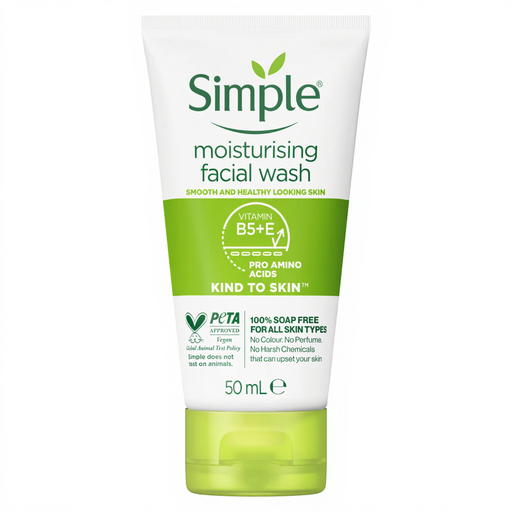
Why This Fits Their Persona: The compact 50ml format suits skincare beginners, gym bags and short trips around the UK, while keeping the routine uncomplicated.
Its positioning focuses on everyday cleansing and moisturising rather than promising intensive pore or brightening results.
Small travel-friendly size; includes glycerin, panthenol and allantoin in the listed formula.
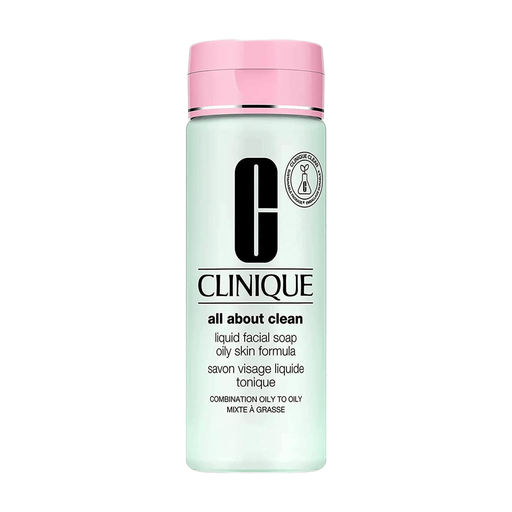
Why This Fits Their Persona: The 200ml liquid format is suited to shoppers wanting a dedicated cleanser for oily skin in a regular morning-and-evening routine.
It is specifically positioned for excess oil, but still lists aloe leaf juice and sodium hyaluronate among its ingredients.
Large 200ml capacity; liquid texture designed to create a light foam when worked with water.
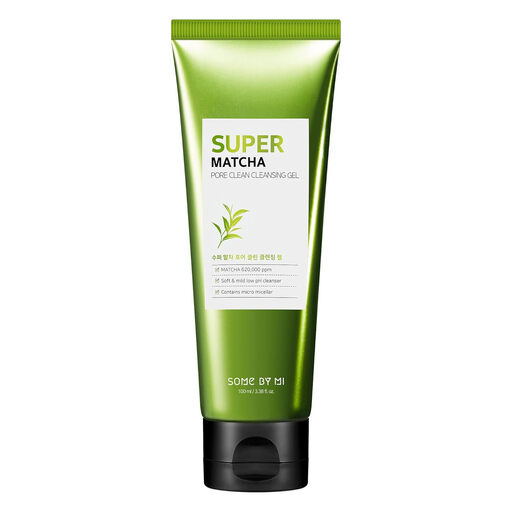
Why This Fits Their Persona: Designed for shoppers focused on oily, combination or congested areas who want a pore-oriented Korean facial cleanser.
The listing identifies willow bark, PHA and konjac particles, so shoppers can see that it is more active than a basic daily gel.
Low-pH, sulphate-free gel base; includes centella asiatica and panthenol. Use less frequently if your skin is highly sensitive.
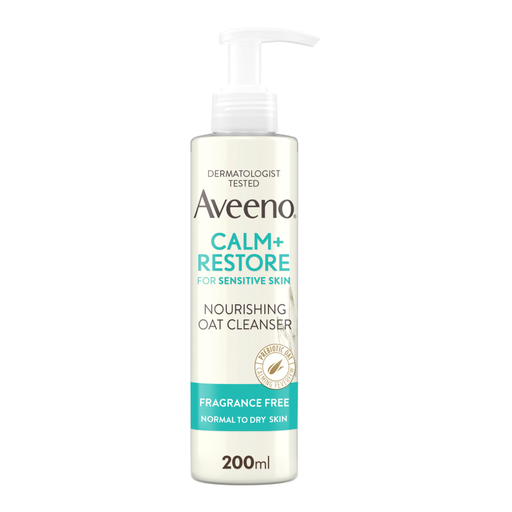
Why This Fits Their Persona: The milky gel-cream texture and 200ml bottle suit a simple daily routine for people who prioritise a comfortable, fragrance-free wash.
It avoids a heavy fragrance-led proposition and is listed without fragrance, parabens, sulphates, alcohol or dye.
Contains oat, feverfew and sodium hyaluronate; bottle is made with 30% post-consumer recycled material according to the listing.
We have compiled a complete, real-time list of products that fully satisfy these strict selection criteria and UK safety regulations.
If you wear heavy or waterproof make-up, a separate first cleansing step may be more appropriate than relying on a single face wash.
Most people can use a daily facial cleanser once or twice a day, depending on oiliness, make-up use and comfort. If your skin feels tight after morning and evening cleansing, reduce frequency or choose a gentler formula.
It can be, but foam level is not enough to judge suitability. Check the surfactant system, fragrance and moisturising ingredients. A fragrance-free cream-to-foam or low-lather cleanser may be more comfortable for sensitive skin than a strongly fragranced facial cleansing foam.
Usage varies according to bottle size, dosage and frequency. A 200ml cleanser generally provides more individual applications than a 50ml travel-sized product. Using a small, measured amount rather than a large handful can help prevent unnecessary waste while still cleansing effectively.