
24/7 Customer Support

Free returns

Same-day & Next-day Delivery

Quality Guaranteed

Unlock Your Welcome Offers: FREE Delivery | Up to 80% OFF | Free 30-day JoyPlus trial
Download the APP
Choosing a facial cleanser can look simple until you are faced with pore cleansing foam, low-pH gel formulas, salicylic acid cleansers and exfoliating washes making similar promises. The right choice depends less on dramatic marketing language and more on your skin type, daily routine and how the formula behaves after rinsing.
For UK shoppers, three common buying traps are worth avoiding:
An oily skin cleanser may include salicylic acid, clay, charcoal or foaming surfactants to help lift excess sebum. These ingredients can suit combination and congested skin, but daily use may feel uncomfortable if your skin is dry or reactive.
For a gentle facial cleanser or sensitive skin cleanser, look for moisturising ingredients such as glycerin, panthenol, betaine, amino acids or hyaluronic acid. Fragrance and cooling ingredients such as menthol may also be worth avoiding if your skin frequently stings or becomes flushed.
A low-pH cleanser is generally formulated to sit closer to the skin’s naturally acidic surface. This does not automatically make a product suitable for everyone, but it can be a useful consideration if high-foam washes leave your face feeling tight.
Amino acid and amphoteric surfactants are often selected for milder cleansing. However, the complete ingredient list matters more than one headline ingredient. Check whether the formula also contains fragrance, essential oils, alcohol or exfoliating acids if you are prone to sensitivity.
Salicylic acid is commonly found in an acne face wash, blackhead cleanser or pore cleansing foam. It is an exfoliating ingredient, so start gradually if you are not used to it. Products with AHA, BHA or PHA may be useful for surface roughness or congestion, but using several exfoliating products at once can make a routine harder to manage.
For persistent or moderate-to-severe acne, a cosmetic cleanser may not be enough. Acnecide Face Wash contains 5% w/w benzoyl peroxide and is a medicinal product intended for mild facial acne in adults and adolescents aged 12 and over. Follow the packaging instructions, avoid combining it with other acne treatments unless advised by a healthcare professional and seek medical advice if symptoms do not improve.
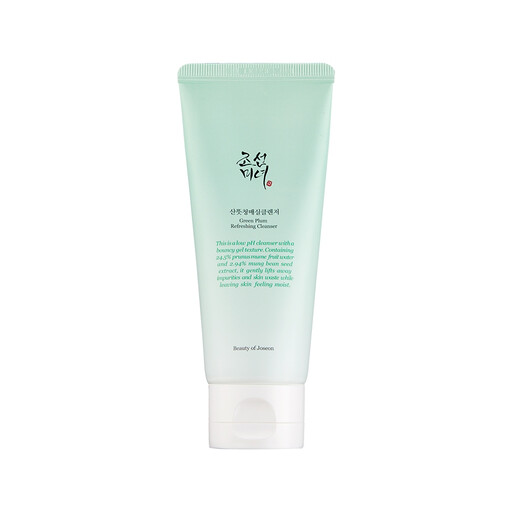
Why This Fits Their Persona: A practical Korean skincare cleanser for shoppers wanting a straightforward daily gel-to-foam wash for normal, combination or sensitive skin.
Its low-pH, slightly acidic formula avoids relying on aggressive cleansing claims, while the gel texture is designed for a non-stripping finish.
Contains green plum water, mung bean extract and glycerin; the 100ml size suits everyday bathroom use.
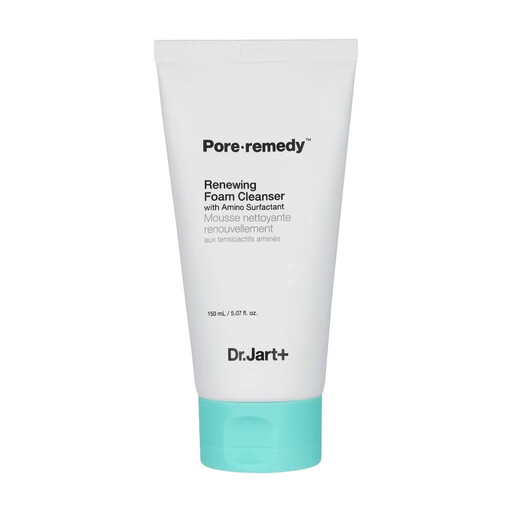
Why This Fits Their Persona: Suitable for shoppers who want a larger, fragrance-free foam cleanser that fits a structured morning and evening routine.
It focuses on cleansing comfort rather than promising permanent pore changes or treatment outcomes.
Amino-based surfactants, glycerin and panthenol; the 150ml size may offer useful value for regular use.
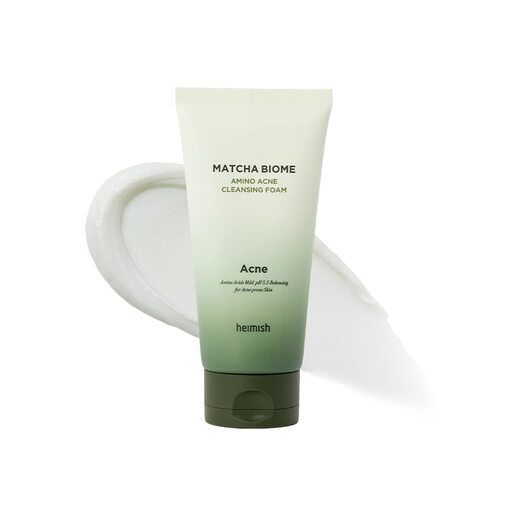
Why This Fits Their Persona: A practical option for oily or blemish-prone users who also want to cleanse areas such as the back and chest.
The stated 0.5% salicylic acid content is clear, helping shoppers compare it with other acne face wash formulas instead of relying on vague “pore” wording.
Contains amino-acid surfactants, glycerin and matcha-derived ingredients; the product is described for face and body use.
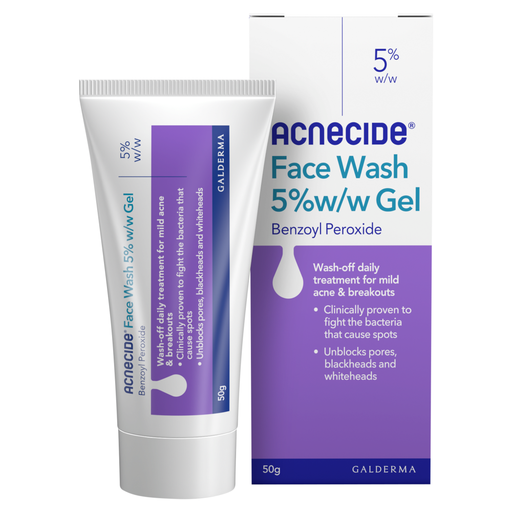
Why This Fits Their Persona: Designed for adults and adolescents aged 12 and over seeking a medicinal wash for mild facial acne, including blackheads and whiteheads.
It clearly identifies benzoyl peroxide strength, contact time and usage precautions rather than presenting a cosmetic cleanser as a medical treatment.
Wash-off 5% w/w benzoyl peroxide formula; the label includes guidance about irritation, fabric bleaching and when to seek medical advice.
We have compiled a complete, real-time list of products that fully satisfy these strict selection criteria and UK safety regulations.
A cleanser is normally rinsed away, so it should support the rest of your routine rather than replace leave-on treatments. Always check the latest packaging, ingredients, age guidance and warnings before use.
Most people use a cleanser once or twice daily. If your skin is dry, sensitive or easily irritated, cleansing once in the evening and rinsing with water in the morning may be more comfortable. Follow the product instructions where they differ.
It may suit oily, congested or blemish-prone skin, but tolerance varies. Start with less frequent use and avoid layering it with several other exfoliating products. Stop if you experience persistent redness, burning, swelling or significant dryness.
A 100–150ml cleanser often lasts several weeks to a few months, depending on how much you use and whether it is used once or twice daily. A small, consistent amount is usually sufficient; using extra product does not necessarily produce a cleaner result.