
24/7 Customer Support

Free returns

Same-day & Next-day Delivery

Quality Guaranteed

Unlock Your Welcome Offers: FREE Delivery | Up to 80% OFF | Free 30-day JoyPlus trial
Download the APP
Choosing among facial cleansers can be surprisingly difficult. Foaming textures, pore-focused claims and long ingredient lists may look convincing, but they do not automatically make a product suitable for your skin. UK shoppers also need to consider how a cleanser fits into daily routines, seasonal changes and existing skincare products.
The right face wash should remove sweat, sunscreen, excess oil and everyday debris without leaving persistent tightness or discomfort. Here is how to compare facial cleansers more sensibly before buying.
A rich lather can feel satisfying, but foam volume is not a reliable measure of cleansing performance. Some foaming cleanser formulas may leave dry or sensitive skin feeling tight, particularly when used twice daily. Look at the full formula and your after-wash skin feel rather than judging the product by bubbles alone.
A pore-cleansing face wash may remove surface oil and debris, making skin feel smoother temporarily. However, a rinse-off product cannot permanently change pore structure. Products containing salicylic acid, willow bark or clay may be more relevant for oily or congested skin, but overuse can cause dryness and irritation.
A cleanser containing many extracts is not necessarily more suitable. The most useful checks are the cleanser type, surfactant system, potential fragrance or essential oils, active exfoliants, size and intended frequency of use. A 150ml tube used twice daily may offer different value from a 50g multi-purpose cleanser used less often.
For dry or sensitive skin, consider a gentle cleanser for sensitive skin with humectants such as glycerin, panthenol or hyaluronic acid. Low-lather or creamy textures may feel more comfortable than highly degreasing formulas.
Combination and oily skin may prefer a gel or light foaming cleanser. A product such as Cetaphil Oily Skin Cleanser uses a soap-free, low-lather gel format and includes panthenol and niacinamide. The 236ml size may also suit shoppers who cleanse morning and evening.
A low-pH cleanser is generally designed to sit closer to the skin’s naturally acidic surface environment. Beauty Of Joseon Green Plum Refreshing Cleanser and Axis-Y Sunday Morning Refreshing Cleansing Foam both list slightly acidic or low-pH positioning, making them options to compare if tightness is a concern.
Salicylic acid is commonly found in an acne cleanser or oily skin cleanser. It can help lift oil and dead skin from the surface, but it is still important to follow the product directions and avoid combining several exfoliating products without a clear reason.
Some formulas combine AHA, BHA or PHA, while others use enzymes or physical particles. SOME BY MI AHA-BHA-PHA 30 Days Miracle Acne Clear Foam contains salicylic acid and gluconolactone, while SOME BY MI Lactosoy Enzyme Deep Cleansing Foam includes papain and several forms of hyaluronic acid. These are not interchangeable: exfoliating formulas may require less frequent use if your skin is easily reactive.
Always avoid applying facial cleansers to broken, inflamed or irritated skin. If redness, itching or stinging persists, stop using the product and seek appropriate medical advice.
Check whether the cleanser is intended for daily washing, occasional masking or both. A 2-in-1 product may be useful for travel or a simplified routine, but a mask usually stays on the skin longer and may not be suitable every day.
For UK households, tube size also matters. A 100ml face wash is easier to pack for short trips, while 150ml or 236ml formats may reduce the need for frequent replacement. Review the packaging for the current ingredient list, shelf-life information and storage instructions before use.
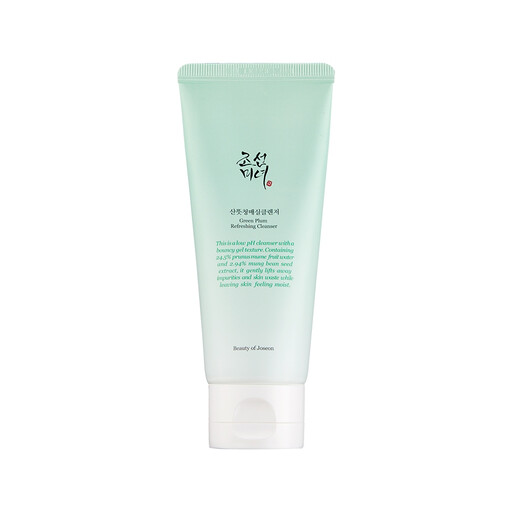
Why This Fits Their Persona: A practical Korean facial cleanser option for shoppers starting a simple morning-and-evening routine.
Its low-pH gel-to-foam format avoids relying on heavy lather as a sign of performance.
100ml format; includes green plum water, mung bean extract and a vegan, cruelty-free positioning.
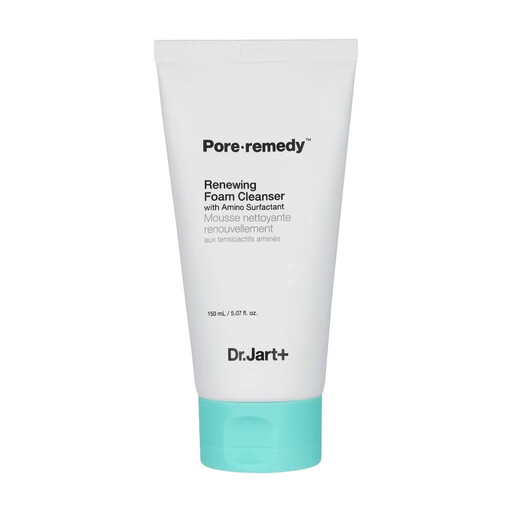
Why This Fits Their Persona: Suitable for shoppers seeking a larger, fragrance-free foam cleanser with a more cushiony texture.
The formula lists glycerin and panthenol rather than presenting foam alone as its main selling point.
150ml size; amino-based cleansing ingredients and no added fragrance listed in the product description.
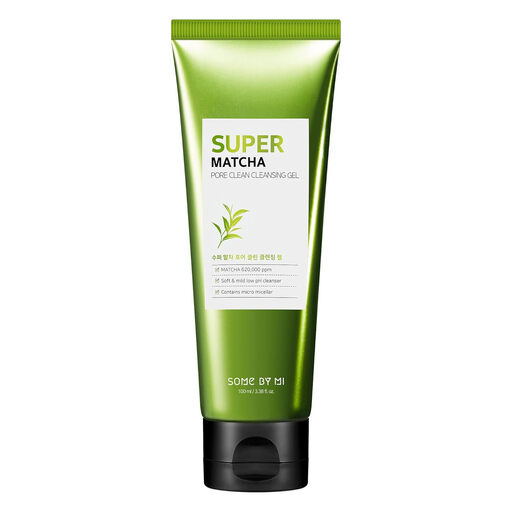
Why This Fits Their Persona: Designed for shoppers comparing an oily skin cleanser with pore-focused ingredients and a gel texture.
The product specifies low-pH, sulphate-free cleansing alongside exfoliating ingredients, helping buyers assess more than pore claims.
100ml gel; includes willow bark, gluconolactone, konjac powder and panthenol.
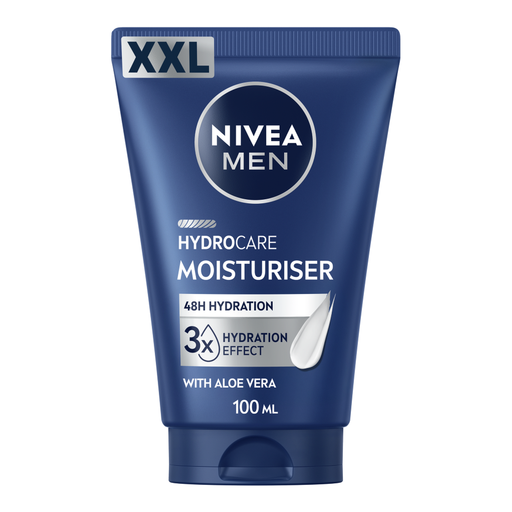
Why This Fits Their Persona: A familiar men’s face wash format for daily use after commuting, exercise or outdoor activity.
The product description identifies both cleansing and moisturising ingredients, rather than focusing only on oil removal.
150ml format; contains glycerin, panthenol and aloe vera leaf juice.
We have compiled a complete, real-time list of products that fully satisfy these strict selection criteria and UK safety regulations.
Most daily formulas are intended for morning and evening use, but this depends on your skin and the product. If your face feels tight, flaky or irritated, reduce frequency or choose a gentler formula. After heavy sunscreen or makeup, a separate first cleansing step may be appropriate.
Some Korean facial cleanser formulas use low-pH bases, mild surfactants and soothing ingredients, but nationality does not determine suitability. Check the ingredient list for fragrance, essential oils, exfoliating acids and known personal triggers. Patch testing a new product is a sensible precaution.
A 100–150ml cleanser commonly lasts several weeks to a few months, depending on how much is used and whether it is applied once or twice daily. Using a small, measured amount and keeping the cap closed can help reduce waste. Always follow the packaging’s opening-period and expiry guidance.