
24/7 Customer Support

Free returns

Same-day & Next-day Delivery

Quality Guaranteed

Unlock Your Welcome Offers: FREE Delivery | Up to 80% OFF | Free 30-day JoyPlus trial
Download the APP
Choosing facial cleansers for acne-prone skin is not simply a matter of selecting the product with the boldest “pore-cleansing” claim. A cleanser needs to remove excess oil and daily residue without leaving the skin uncomfortably tight, irritated or overly dry.
For UK shoppers, the main challenge is matching the formula to the skin’s current condition. Oily skin may tolerate a salicylic acid face wash, while sensitive or post-blemish skin may need a low-pH gel cleanser with fewer exfoliating ingredients.
A squeaky-clean feeling can indicate that a formula has removed a large amount of surface oil. It does not necessarily mean pores have been cleared more thoroughly. If the skin feels persistently tight after washing, the product may be too harsh for daily use.
A salicylic acid cleanser, AHA-BHA-PHA formula, scrub and benzoyl peroxide face wash may all appear suitable for blemish-prone skin. Using several together can increase dryness and stinging. Introduce one active product at a time and follow the usage instructions on the packaging.
Blackheads, excess sebum, occasional blemishes and easily irritated skin require different priorities. A pore-cleansing facial cleanser may suit a congested T-zone, while a gentle cleanser for sensitive acne-prone skin may be more appropriate when the barrier feels uncomfortable.
Foam volume is not a reliable measure of cleansing performance. Compare the full ingredient list and consider whether the formula contains fragrance, essential oils or alcohol if your skin reacts easily.
A low-pH gel cleanser may be a practical option for combination or sensitive skin. Creamy foams can suit shoppers who prefer a richer lather, but the finish should feel clean rather than persistently stripped. Those seeking an oily skin cleanser should still avoid scrubbing aggressively or washing repeatedly throughout the day.
A 150ml tube may offer more everyday convenience than a 50g medicinal wash, but value also depends on how often it should be used. A daily face wash for spots used morning and evening will run out faster than a targeted product used once daily or on alternate evenings.
Check the product size, recommended contact time and warnings. Some formulas are designed only for facial use, while others may also be labelled for areas such as the back or chest.
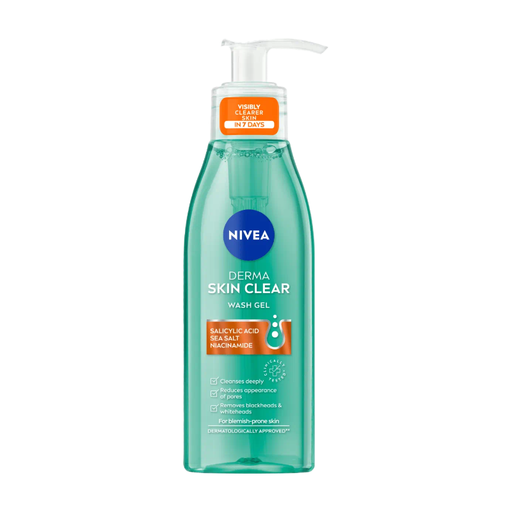
Why This Fits Their Persona: A 150ml gel format offers a straightforward option for shoppers starting a blemish-focused routine and wanting a conventional morning-and-evening cleanser.
The ingredient list clearly identifies salicylic acid, sea salt and niacinamide, so shoppers can compare the formula rather than relying only on “clear skin” wording.
150ml size; gel texture; includes salicylic acid and niacinamide for blemish-prone skin routines.
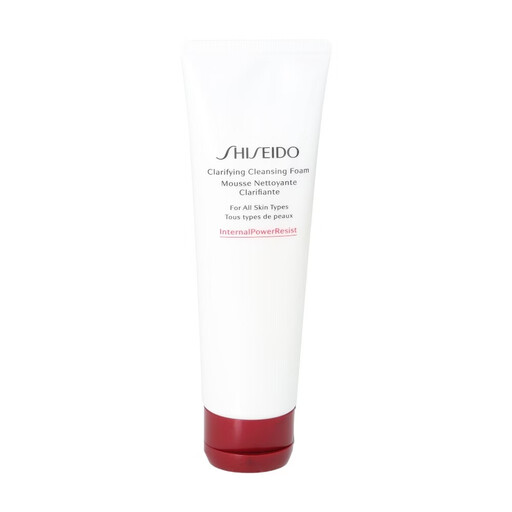
Why This Fits Their Persona: Suitable for shoppers who prefer a creamy lather and a more considered cleansing experience for everyday use across different skin types.
Its listed ingredients allow buyers to check the inclusion of white clay, rice germ oil and acetylated hyaluronate instead of assuming that a rich foam will automatically be non-drying.
125ml size; white clay and fine powder; contains moisturising ingredients for a softer post-wash feel.
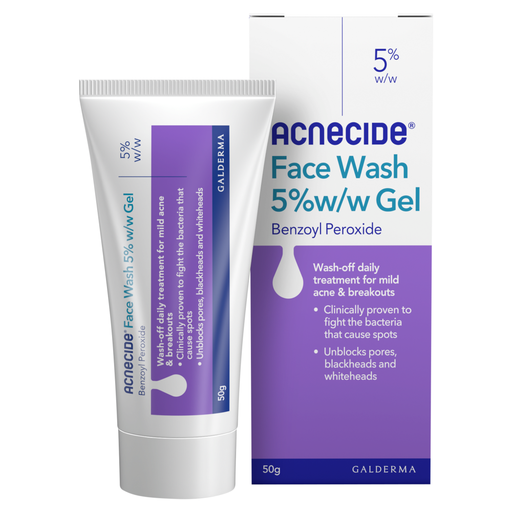
Why This Fits Their Persona: Designed for adults and adolescents aged 12 and over seeking a medicinal wash for mild facial acne, rather than a general cosmetic cleanser.
The 50g format and 1–2 minute contact guidance make it clear that this is a targeted wash, not a product to combine casually with other acne treatments or exfoliants.
Contains 5% w/w benzoyl peroxide; wash-off gel; labelled for mild facial acne and users aged 12 and over.
We have compiled a complete, real-time list of products that fully satisfy these strict selection criteria and UK safety regulations.
Do not apply these products to broken or severely irritated skin. For medicinal washes, read the leaflet and speak to a pharmacist or doctor if symptoms are moderate, worsening or not improving within the stated timeframe.
Many cosmetic cleansers are labelled for morning and evening use, but active formulas may need a slower introduction. Follow the packaging directions and reduce frequency if dryness or irritation develops.
It may be suitable for some people, but sensitivity varies. Choose a lower-irritation formula, avoid combining it with multiple exfoliants and patch test where appropriate. A non-active low-pH gel cleanser may be a more comfortable starting point when the skin barrier feels compromised.