
24/7 Customer Support

Free returns

Same-day & Next-day Delivery

Quality Guaranteed

Unlock Your Welcome Offers: FREE Delivery | Up to 80% OFF | Free 30-day JoyPlus trial
Download the APP
Choosing between facial cleansers can be surprisingly difficult. A product may promise deep pore care, instant hydration or a refreshed complexion, yet still leave your face tight, dry or uncomfortable after washing. UK shoppers also need to consider changing weather, hard water, daily SPF, make-up and the practical demands of a morning and evening routine.
Before buying a face wash, look beyond the front label. These are three common purchasing traps to avoid:
A gentle facial cleanser in milk or cream form is often practical for dry, sensitive or over-cleansed skin. These textures are typically massaged directly onto the face and removed with water or a damp cloth.
A gel or foaming face cleanser can suit combination or oily skin, particularly if you prefer a clean-rinsing finish. However, foam alone does not indicate cleansing strength or quality. Check the full ingredient list and consider whether the formula contains glycerin, panthenol, hyaluronic acid or other moisturising ingredients.
Micellar water is useful when you need a quick make-up remover cleanser, especially for travel or removing light make-up before a second cleanse. Follow the product’s instructions: some no-rinse formulas are designed to remain on the skin, while others may be more comfortable when rinsed.
A low pH cleanser is generally designed to be closer to the skin’s naturally acidic surface. This can be a useful consideration if your face feels uncomfortable after washing or if you are trying to simplify a sensitive-skin routine.
Surfactants are the cleansing agents that lift away oil, dirt and residue. Amino-acid-based and other milder surfactant systems may provide a softer cleansing experience, while stronger systems can produce more foam but may feel less comfortable on dry skin. There is no single surfactant that suits everyone, so your skin’s response remains important.
A cleanser is a short-contact product, so it should primarily remove daily impurities, SPF and make-up. A product marketed as an acne-prone skin cleanser or pore-cleansing face wash may contain salicylic acid, willow bark or other exfoliating ingredients. These can be useful for shoppers concerned about oil and visible congestion, but they should not be treated as medical treatments.
If your skin is cracked, wounded, persistently inflamed or experiencing a significant reaction, avoid applying cosmetic cleansers to those areas and seek appropriate medical advice. Always follow the packaging instructions and stop using a product if irritation develops.
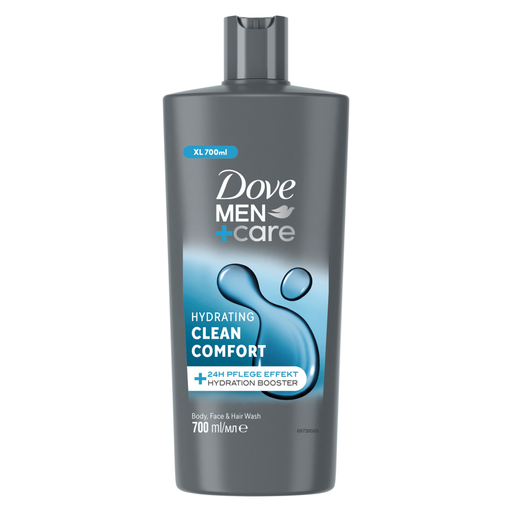
Why This Fits Their Persona: A large 700ml format suits shoppers who want one convenient wash for the shower, gym bag or shared household routine.
Its purpose is clearly convenience rather than intensive pore treatment, helping buyers avoid paying for unnecessary active claims.
3-in-1 format, plant-based moisturisers and a 700ml net content make it practical for frequent use.
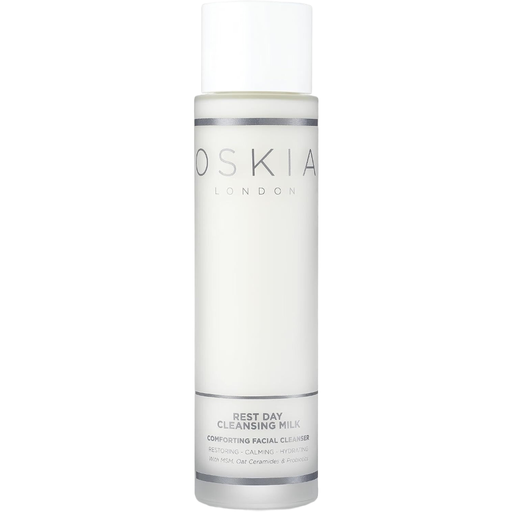
Why This Fits Their Persona: A fragrance-free cleansing milk is suited to shoppers prioritising a calm, comfort-focused routine for dry, sensitive or stressed skin.
It avoids a heavy foaming format and is listed as fragrance free, making it a considered option when tightness is a concern.
Contains panthenol, oat ceramides and polyglutamic acid; the formula is vegan and listed as 99.66% natural and natural-origin ingredients under ISO16128.
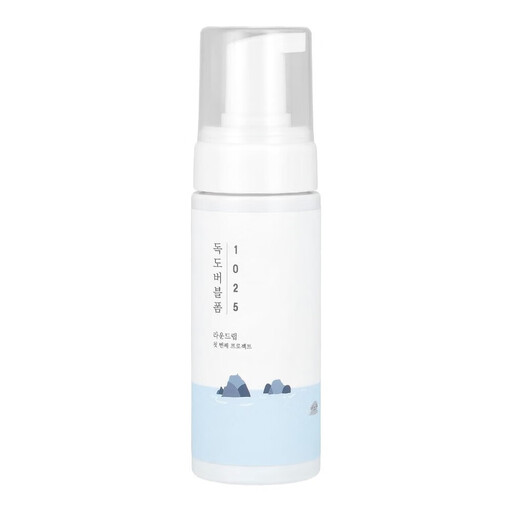
Why This Fits Their Persona: The pump format and airy foam suit shoppers who prefer a quick, clean-rinsing wash for morning or evening use.
Its low pH positioning and amino-acid-based surfactants offer an alternative to choosing a cleanser solely because it produces dense foam.
Includes glycerin, hyaluronic acid, panthenol and allantoin, alongside salicylic acid and willow bark extract.
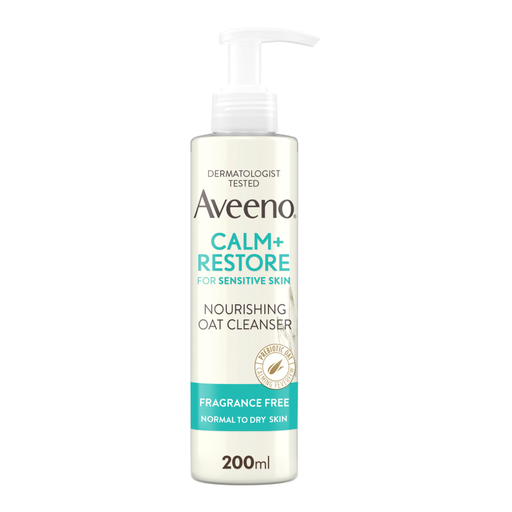
Why This Fits Their Persona: The milky gel-cream texture and straightforward pump application work well for a simple daily routine during colder, drier UK weather.
The product information specifies a fragrance-, sulphate-, alcohol- and dye-free formula, rather than relying on a “deep clean” message.
Contains oat kernel flour, glycerin, feverfew and sodium hyaluronate; the bottle uses 30% post-consumer recycled material.
We have compiled a complete, real-time list of products that fully satisfy these strict selection criteria and UK safety regulations.
Yes, but it may not provide the finish you prefer if your skin produces substantial oil. Look for a lightweight gel, low pH cleanser or formula containing ingredients such as salicylic acid. Avoid repeatedly washing to remove shine, as this can make the skin feel uncomfortable.
Many face wash products are labelled for morning and evening use. However, personal needs vary. An evening cleanse is particularly useful for removing SPF, make-up, sweat and environmental residue. In the morning, some people prefer a full cleanse, while others use water or a mild cleanser depending on how their skin feels.
Usage, bottle size and whether the product is shared all affect lifespan. A 150–200ml cleanser used once or twice daily may last several weeks to a few months. Pump bottles can make portions easier to control, while large 3-in-1 formats may offer a lower replacement frequency for busy households. Always check the packaging for storage and period-after-opening guidance.