
24/7 Customer Support

Free returns

Same-day & Next-day Delivery

Quality Guaranteed

Unlock Your Welcome Offers: FREE Delivery | Up to 80% OFF | Free 30-day JoyPlus trial
Download the APP
Choosing between facial cleansers can be surprisingly difficult. A foaming face wash may leave oily skin feeling fresh, while the same formula could make sensitive or combination skin feel tight. Meanwhile, products marketed as a deep cleansing face wash, pore cleanser or acne cleanser may contain exfoliating ingredients that are not suitable for everyday use.
The right choice depends less on impressive packaging and more on the formula, cleansing format and your skin’s tolerance.
A squeaky-clean finish is not necessarily a sign that a cleanser has worked well. Strong surfactants, frequent washing and very hot water can remove too much surface oil, leaving skin uncomfortable or dry. This may encourage some people to apply heavier products afterwards, potentially making combination or oily areas feel congested.
Look for a formula that removes sweat, dirt and excess sebum without leaving persistent tightness. Glycerin, panthenol, betaine and hyaluronic acid are examples of ingredients commonly used to support a more comfortable finish.
A cleanser containing salicylic acid, AHA, PHA, enzymes or willow bark may be useful for dullness and congestion, but “more active” does not automatically mean more suitable. Using several exfoliating products together can increase the risk of dryness or stinging.
If you are considering an exfoliating cleanser or acne cleanser, introduce it gradually. Avoid applying it to broken, inflamed or irritated skin, and follow the product instructions rather than leaving every cleanser on for longer.
A face wash may remove light sunscreen, everyday dirt and some light make-up, but long-wear foundation and waterproof eye make-up often need a separate first step. Micellar water can help lift make-up before a rinse-off cleanser, although people with reactive skin may prefer to rinse afterwards if any residue feels uncomfortable.
Foam, gel, cream and water-based formats can all cleanse effectively. The texture alone does not determine whether a product is gentle. Check the ingredient list and consider your skin type:
For pore congestion, ingredients such as salicylic acid can help cleanse oil-prone areas, while AHA, PHA and enzymes offer different forms of surface exfoliation. However, rinse-off products have limited contact time, so avoid judging them by active ingredients alone.
Check whether a product is designed for daily use, occasional use or a short mask treatment. Some Korean facial cleanser formats offer more than one use, but the additional mask or scrub function should be treated as an occasional step if your skin is easily irritated.
A 100ml cleanser is convenient for travel and gym bags, while 150–236ml formats may be more practical for regular use at home. Pump bottles can be easier to use with wet hands; tubes are compact and generally simple to store.
For UK shoppers, check the packaging for the INCI ingredient list, net content, batch or shelf-life information and usage warnings. A product labelled suitable for sensitive skin can still cause an individual reaction, so patch testing is sensible when introducing a new formula.
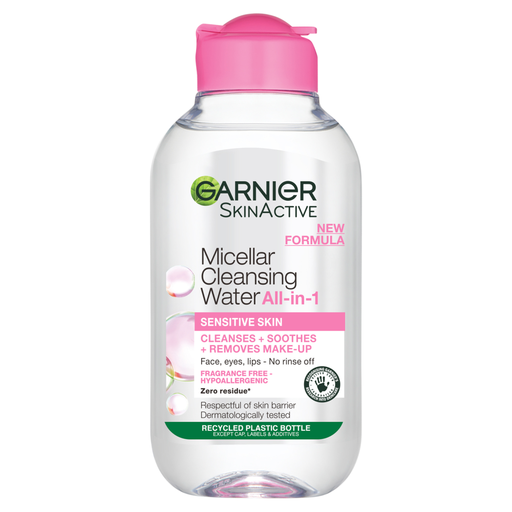
Why This Fits Their Persona: A compact option for students, commuters, gym users and anyone starting a simple cleansing routine. The 100ml bottle is convenient for travel within the UK.
It is a no-rinse micellar water cleanser, avoiding harsh rubbing and complicated double-cleansing steps. If residue feels uncomfortable, rinse with water.
Fragrance-free formula; designed to lift make-up, impurities and excess oil; travel-friendly 100ml size.
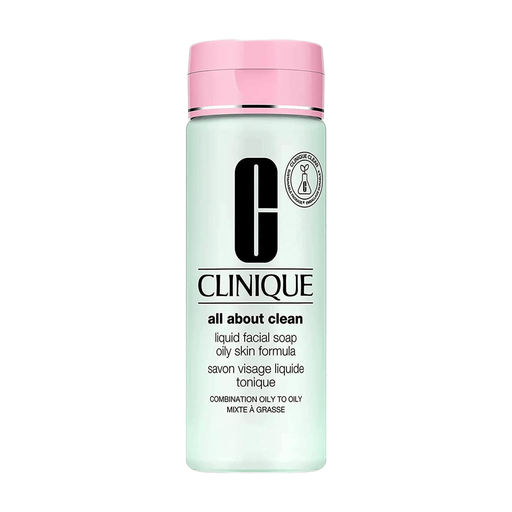
Why This Fits Their Persona: A larger 200ml liquid format suits shoppers who want a consistent morning-and-evening routine and do not want to replace a cleanser frequently.
Its product positioning is specific to oily skin, helping shoppers avoid choosing a generic hydrating cleanser when excess oil is the main concern.
200ml capacity; liquid format; includes aloe leaf juice and sodium hyaluronate in the listed ingredients.
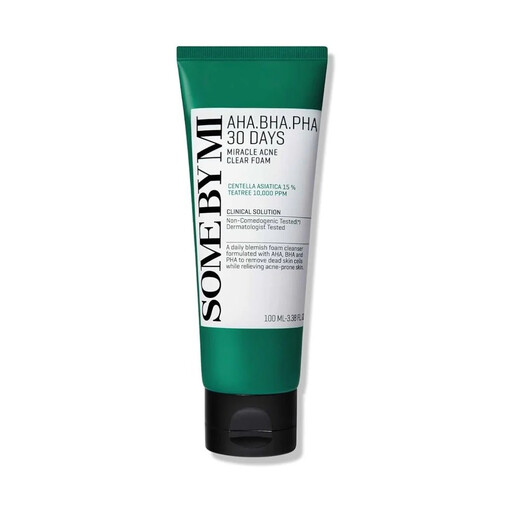
Why This Fits Their Persona: Suitable for shoppers focusing on oily, congested or blemish-prone areas and looking for an exfoliating foam within a Korean skincare routine.
The formula clearly identifies AHA, BHA and PHA, making its exfoliating purpose easier to understand than vague “detox” claims. Start cautiously and use daytime sunscreen.
Cream-to-foam texture; includes salicylic acid, gluconolactone and calamine in the listed ingredients; 100ml size.
We have compiled a complete, real-time list of products that fully satisfy these strict selection criteria and UK safety regulations.
Use lukewarm water, wet the face first and massage with fingertips for around 30–60 seconds unless the label says otherwise. Rinse thoroughly and pat dry rather than rubbing. Most people only need cleansing in the morning and evening; washing repeatedly throughout the day can increase discomfort.
If you wear waterproof make-up, consider micellar water or an oil-based first cleanse, followed by a suitable face wash. Introduce only one new active product at a time so you can identify what suits your skin.
A gentle cleanser can usually be used morning and evening. Exfoliating cleansers containing acids, enzymes or particles may be better used less frequently, depending on the instructions and your skin’s response.
An acne cleanser with salicylic acid may help remove excess oil from the skin’s surface and around pores, but it is not a replacement for medical advice or prescribed treatment. Avoid applying cleanser to broken or severely inflamed areas, and stop if persistent irritation develops.
Often, yes. Oily skin can still feel dehydrated. A balanced hydrating face cleanser can remove excess sebum while helping the skin feel more comfortable afterwards. Choose the texture and cleansing strength based on your whole face, not just the T-zone.