
24/7 Customer Support

Free returns

Same-day & Next-day Delivery

Quality Guaranteed

Unlock Your Welcome Offers: FREE Delivery | Up to 80% OFF | Free 30-day JoyPlus trial
Download the APP
Choosing facial cleansers can seem straightforward until you are faced with foaming cleanser, pore cleanser, acne cleanser, exfoliating cleanser and brightening cleanser claims on every shelf. The wrong formula may leave skin tight, greasy or irritated, while an unsuitable product can add unnecessary steps and expense to your routine.
This guide explains what to check before buying, with practical options for UK skincare shoppers managing oiliness, dehydration, sensitivity, dullness, congestion, body breakouts or self-tan removal.
A rich lather can feel satisfying, but foam alone does not show how effectively a face wash removes sunscreen, sebum or make-up. Some highly degreasing formulas may also leave skin feeling tight after rinsing. That sensation is not a reliable measure of cleanliness.
Look for the cleanser’s surfactant system, alongside moisturising ingredients such as glycerin, panthenol, betaine or hyaluronic acid. If your skin feels uncomfortable shortly after washing, the formula may be too drying for daily use.
A cleanser containing salicylic acid, AHA, PHA, enzymes, scrub particles or clay may suit congested skin, but combining several exfoliating products can increase the chance of dryness and irritation. A wash-off formula also has limited contact time, so using it more frequently does not necessarily improve results.
Avoid applying exfoliating cleansers to broken, inflamed or eczema-prone skin. Introduce one active product at a time and use sunscreen during the day where the product instructions advise it.
Some facial cleansers are designed to remove light make-up or sunscreen residue, but waterproof make-up and long-wear products may still require a dedicated first cleanse. Check the wording carefully: “light make-up” and “daily sunscreen” are more specific than a promise to remove every cosmetic product.
Salicylic acid is oil-soluble and is commonly included in pore and blemish cleansers. AHA and PHA ingredients provide different forms of exfoliation, while enzyme products use ingredients such as papain to loosen surface build-up. These ingredients can be useful, but tolerance varies.
Follow the product directions rather than leaving every cleanser on for longer. Products designed as a cleansing mask, such as certain clay or enzyme formulas, should only be used for the stated time.
A gel cleanser is often easy to rinse, while a cream-to-foam formula can feel more cushioning. Bubble cleansers and clay formulas may offer a different experience but should not encourage vigorous rubbing.
Review the full ingredient list for potential personal triggers, including fragrance, essential oils, alcohol or particular preservatives. UK shoppers should also check the packaging for current directions, warnings, batch information and storage advice before use.
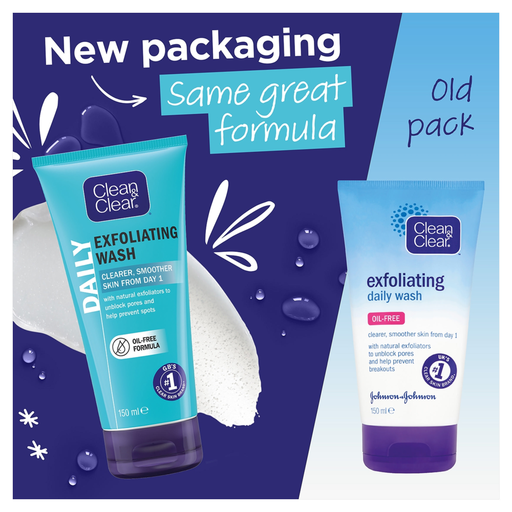
Why This Fits Their Persona: A straightforward daily wash for shoppers wanting a familiar exfoliating face wash without adding several separate cleansing products.
The product description identifies natural exfoliators and an oil-free formula, making its intended use clearer than vague “deep clean” wording.
150ml size; contains glycerin and cellulose exfoliating material; designed for daily face washing.
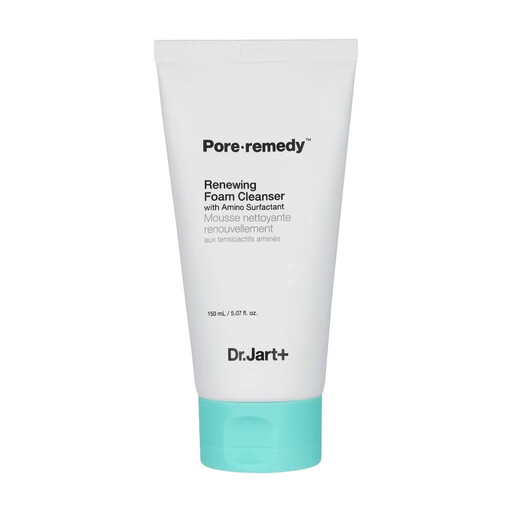
Why This Fits Their Persona: Suitable for shoppers who prioritise a fragrance-free amino-based cleanser with a cushioned foam texture for morning and evening use.
Its listed ingredients and directions specify glycerin, panthenol, fragrance-free formulation and a rinse-off format, rather than relying only on broad pore-care language.
150ml tube; amino-based cleansing ingredients; fragrance-free formula with glycerin and panthenol.
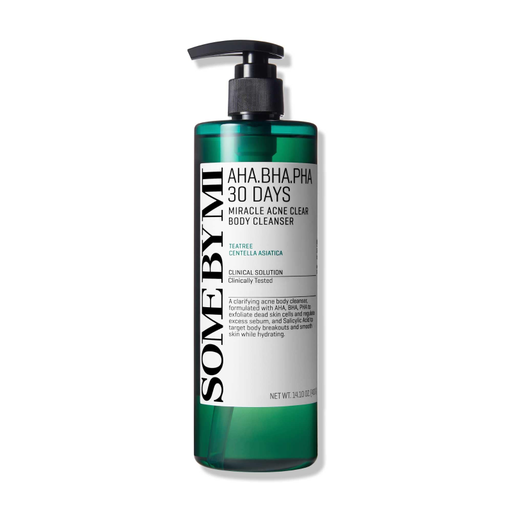
Why This Fits Their Persona: A larger body cleanser for regular shower use on areas such as the back, chest and shoulders.
It is explicitly labelled for body use and lists AHA, BHA and PHA, so shoppers can assess the exfoliating profile before purchasing.
400g pump bottle; intended for back, chest and shoulder areas; contains tea tree and centella extracts.
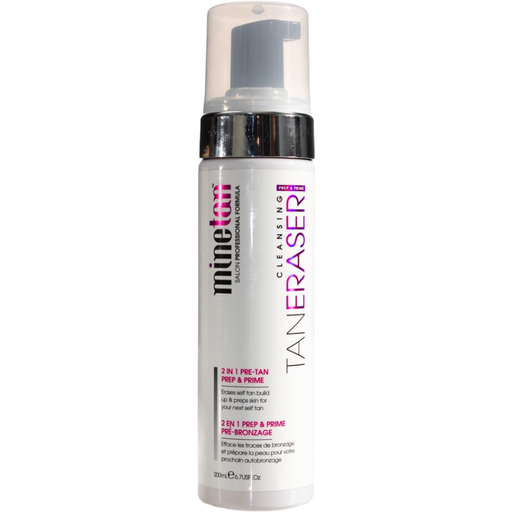
Why This Fits Their Persona: A targeted option for removing old self-tan before applying another mousse, lotion or mist.
Its purpose is clearly defined as a tan-removing body cleanser, avoiding the confusion of using a regular face wash for a specialist task.
200ml size; directions specify application to dry skin for five minutes; includes glycerin and aloe vera leaf juice powder.
We have compiled a complete, real-time list of products that fully satisfy these strict selection criteria and UK safety regulations.
For benzoyl peroxide products, follow the supplied directions carefully. Acnecide Face Wash 5% w/w Benzoyl Peroxide Gel is a medicinal acne wash for adults and adolescents aged 12 and over; its packaging warns about irritation, fabric bleaching and use alongside other acne treatments. Ask a pharmacist or doctor if symptoms are severe, persistent or worsening.
Most people use a gentle face wash once or twice daily, depending on skin type and product directions. If your skin becomes dry, stings or flakes, reduce frequency or switch to a milder sensitive skin cleanser.
Some all-in-one formulas are designed to remove light sunscreen and make-up. Water-resistant or long-wear products may need a first cleanse followed by a face wash. Check the product description and avoid assuming that every foaming cleanser removes every type of cosmetic.
Check the packaging for the period-after-opening symbol, expiry information, batch details and storage instructions. Keep tubes and pump bottles closed, away from heat and direct sunlight, and replace products if their smell, colour or texture changes noticeably.