
24/7 Customer Support

Free returns

Same-day & Next-day Delivery

Quality Guaranteed

Unlock Your Welcome Offers: FREE Delivery | Up to 80% OFF | Free 30-day JoyPlus trial
Download the APP
Choosing between facial cleansers can be surprisingly difficult. A cleansing oil, balm, foaming wash or pore cleanser may all promise a fresh, smooth complexion, yet the wrong formula can leave skin feeling tight, greasy or still covered in sunscreen residue.
For UK shoppers, the most suitable choice depends on what you need to remove, how your skin behaves and whether the product fits comfortably into your daily routine. This guide explains the practical details worth checking before buying, followed by our top recommendations for different user profiles.
“Deep” is often used as a broad marketing term rather than a measurable specification. A product may remove surface oil and daily dirt effectively without literally reaching or changing the structure of a pore. Pore appearance can also vary with lighting, hydration and sebum levels.
Look instead at the product’s intended use:
Skin can react differently to fragrance, essential oils, exfoliating ingredients and richer emollients. A product described as suitable for all skin types may still be unsuitable for someone with a known sensitivity.
Read the full ingredient list, particularly if you are looking for a sensitive skin cleanser. Fragrance-free options can be worth considering for easily irritated skin, while those prone to dryness may prefer a hydrating facial cleanser with oils, glycerin or barrier-supporting ingredients.
Waterproof mascara, long-wear foundation and high-factor sunscreen can be difficult to remove with a single water-based wash. Scrubbing harder may increase discomfort rather than improve results.
For these situations, double cleansing is a practical approach: use an oil or balm first, emulsify and rinse it away, then follow with a gentle water-based facial cleanser.
Start by matching the cleanser to your routine. If you wear make-up or sunscreen most days, a make-up remover, cleansing oil or cleansing balm can simplify the first step. Look for instructions that specify applying the product to dry skin and adding water to create a milky emulsion.
If you rarely wear make-up and mainly need to wash away sweat and excess sebum, a gel or foam may be more convenient. An oily skin cleanser should leave skin comfortable rather than squeaky or tight.
A good cleansing oil or balm should emulsify when mixed with water. This changes the oil into a lighter, milky texture that is easier to rinse away. Poor emulsification can leave a film, encourage over-washing or make the product feel inconvenient for everyday use.
Always massage gently, use lukewarm rather than hot water and rinse thoroughly around the hairline and nose.
Ingredients such as salicylic acid, PHA, clay and physical particles may be useful for oiliness or rough texture, but they are not automatically suitable for daily use. Check the instructions and introduce exfoliating formulas gradually.
Those seeking a pore cleanser should be especially cautious about combining several exfoliating products. A cleanser that contains an active ingredient is rinse-off, so it should be treated as one part of a wider routine rather than a standalone solution for persistent skin concerns.
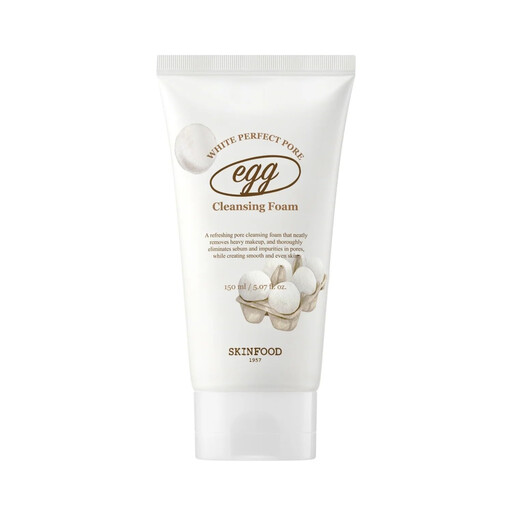
Why This Fits Their Persona: A straightforward foaming option for shoppers who want a daily face wash with a focus on excess oil and rough-feeling areas.
Its ingredient list identifies salicylic acid and plant extracts rather than relying only on vague “pore” wording. Follow the directions and avoid damaged or extremely sensitive skin.
Fine foam, 150ml size and added olive and argan oils alongside cleansing ingredients.
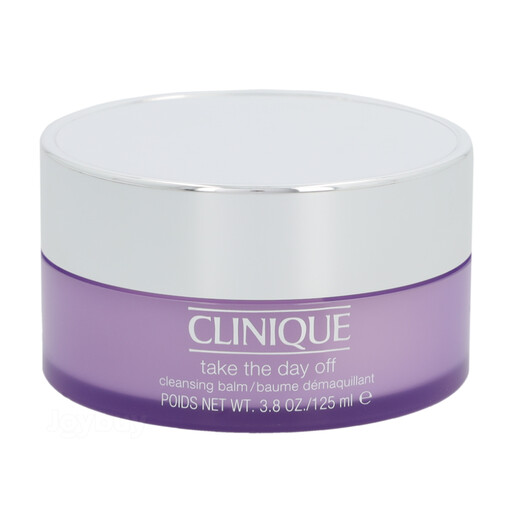
Why This Fits Their Persona: A practical balm format for frequent make-up and sunscreen users who value a fragrance-free first cleanse.
The balm-to-oil texture is clearly designed for dissolving long-wear make-up and sunscreen, while the fragrance-free formula avoids one common source of sensitivity.
125ml format, fragrance-free formula and a texture that changes into a silky oil during massage.
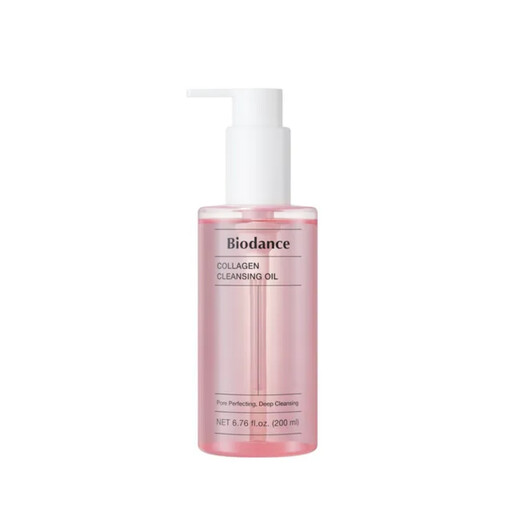
Why This Fits Their Persona: Designed for users regularly removing waterproof make-up or high-factor sunscreen, including those interested in Korean skincare routines.
The instructions explain dry application, circular massage, emulsification and thorough rinsing, reducing the risk of residue caused by incorrect use.
200ml pump bottle, listed ceramides and plant oils, plus a lightweight texture intended to emulsify quickly.
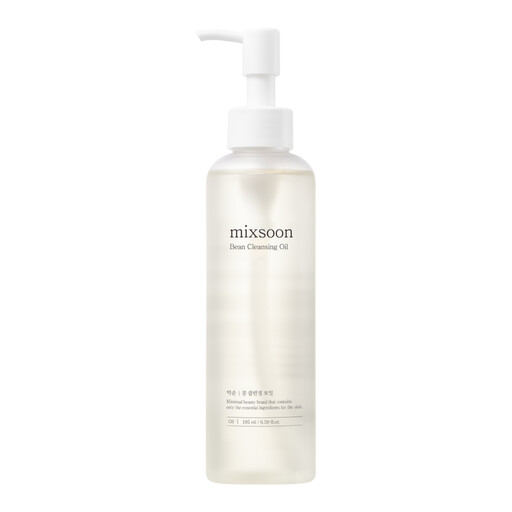
Why This Fits Their Persona: A lightweight first cleanse for shoppers who want to remove SPF and sebum without choosing a thick balm.
The product directions specifically require emulsifying with water before rinsing, rather than relying on a quick splash that may leave oil behind.
195ml size, soybean and jojoba oils and a liquid texture intended for use around the T-zone.
For an oil or balm:
Avoid rubbing the eye area aggressively. Patch testing is sensible when trying a new formula, particularly if it contains fragrance, essential oils, salicylic acid or other exfoliating ingredients.
A dedicated waterproof make-up remover, cleansing oil or cleansing balm is generally more suitable for long-wear and oil-based products than a standard foam alone. Double cleansing can help remove remaining residue, but gentle technique is more important than prolonged scrubbing.
Many people use a gentle cleanser in the evening and adjust their morning routine according to how their skin feels. If twice-daily cleansing causes tightness, redness or discomfort, reduce frequency or choose a milder formula. Follow the product instructions and consider your skin type, climate and use of sunscreen.
Lifespan depends on the size, amount used and frequency. A 150–200ml cleanser used once daily may last several weeks or longer, but check the packaging for the period-after-opening symbol and expiry information. Store it away from direct sunlight and close pumps or caps securely between uses.