
24/7 Customer Support

Free returns

Same-day & Next-day Delivery

Quality Guaranteed

Unlock Your Welcome Offers: FREE Delivery | Up to 80% OFF | Free 30-day JoyPlus trial
Download the APP
By Joybuy Product Recommendation Officer
Choosing facial cleansers can seem straightforward until your face feels tight after washing, your T-zone becomes oily by midday or a supposedly gentle formula leaves your skin irritated. The right product should remove daily sweat, sebum, pollution and light sunscreen residue without making your skin feel uncomfortable.
This guide explains what to check before buying, highlights common marketing traps and matches several facial cleansers to different routines and skin concerns.
A thick lather can feel satisfying, but foam volume does not automatically indicate better cleansing. Some formulas rely on stronger surfactants or high-alkaline soap bases, which may leave dry or tight-feeling skin after rinsing.
For a daily cleanser, look beyond the bubbles. Check the surfactant system, moisturising ingredients and whether the product is described as low-pH or suitable for sensitive skin.
A pore-cleansing face wash containing salicylic acid, AHA, PHA, enzymes or physical particles may be useful for some routines. However, combining several exfoliating products can create unnecessary irritation, particularly if you also use retinoids or leave-on acids.
A rinse-off exfoliating cleanser has limited contact time, so avoid assuming that a higher number of active ingredients guarantees faster results. Introduce one exfoliating product at a time and reduce use if stinging, redness or dryness develops.
Green tea, fruit extracts, essential oils and botanical ingredients can make a formula sound appealing, but natural ingredients may still be unsuitable for individual skin. Fragrance, menthol and essential oils can also be worth checking if you have reactive or sensitive skin.
Always read the current ingredient list on the packaging. Cosmetic descriptions can change, and packaging remains the practical reference for usage instructions, warnings, batch information and storage.
Look for a balance between effective cleansing and skin comfort. Amino-acid and mild betaine surfactants are commonly selected for gentler formulas, while traditional soap-based or stronger foaming systems may feel more cleansing but potentially less comfortable for dry or sensitive users.
Those searching for a foaming face wash should still check how the skin feels after rinsing. A clean finish should not require persistent tightness.
For oily skin, a cleanser can remove excess surface oil, but aggressive cleansing may encourage a cycle of dryness and overproduction of oil. A cleanser for oily skin should therefore match your washing frequency rather than simply offering the strongest lather.
A low-pH cleanser is generally formulated to sit closer to the skin’s naturally acidic surface environment. Products such as Beauty of Joseon Green Plum Refreshing Cleanser and Axis-Y Sunday Morning Refreshing Cleansing Foam list slightly acidic or pH 5.5 positioning in their descriptions.
This does not make every low-pH formula suitable for every person, but it is a useful comparison point if ordinary soap-based washes leave your face dry or uncomfortable.
For blackheads and congestion, check whether the formula uses salicylic acid, willow bark, AHA, PHA, enzymes or particles. A blackhead cleanser or acne cleanser should be used according to its directions, not automatically morning and evening.
If using acid-based facial cleansers regularly, apply daytime sunscreen and avoid using them on broken, severely inflamed or irritated skin. Stop use if persistent irritation occurs and seek professional advice where appropriate.
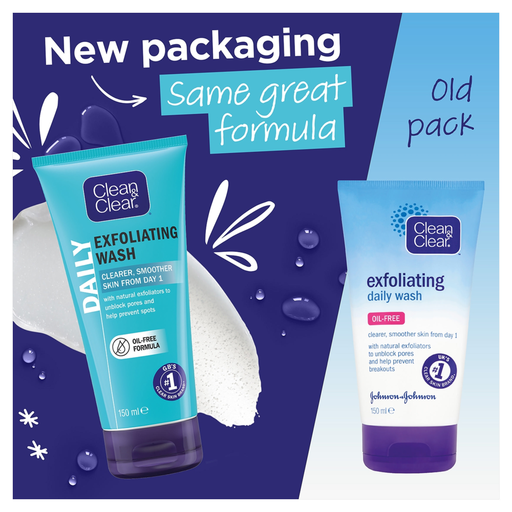
Why This Fits Their Persona: A straightforward option for shoppers building a simple cleansing routine, with a 150ml format and oil-free positioning.
Its description identifies natural exfoliators and an oil-free formula, helping shoppers assess the product rather than relying on foam volume alone.
150ml size; includes cellulose exfoliating material and lactic acid in the listed ingredients.
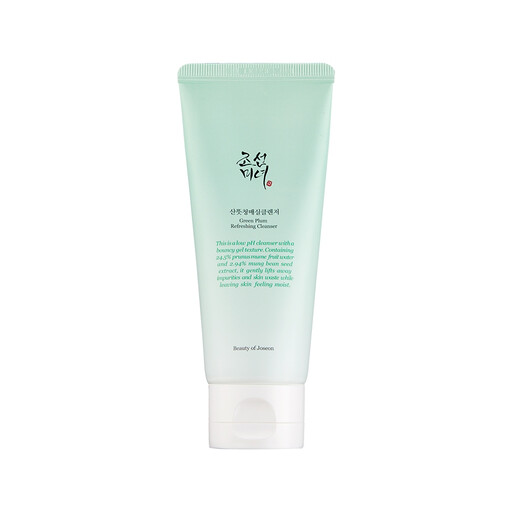
Why This Fits Their Persona: Suits shoppers interested in Korean facial cleanser formats, a light gel texture and a low-pH daily wash.
The listed formula and description make its cleansing approach clear: green plum water, mung bean extract and a slightly acidic pH rather than vague “detox” language.
24% green plum water; 3% mung bean extract; gel-to-foam texture.
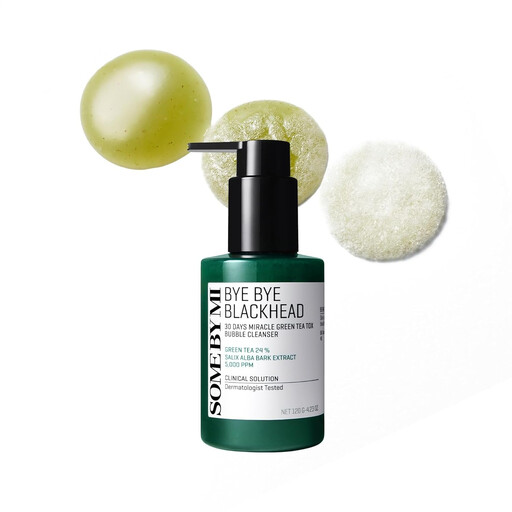
Why This Fits Their Persona: Designed for shoppers prioritising T-zone congestion and a two-mode routine, including a short bubble-mask application.
The product clearly identifies willow-bark-derived BHA, konjac powder and low-pH positioning, so users can account for exfoliation and physical particles.
120g size; daily cleansing and three-to-five-minute bubble-mask directions; green tea water listed in the formula.
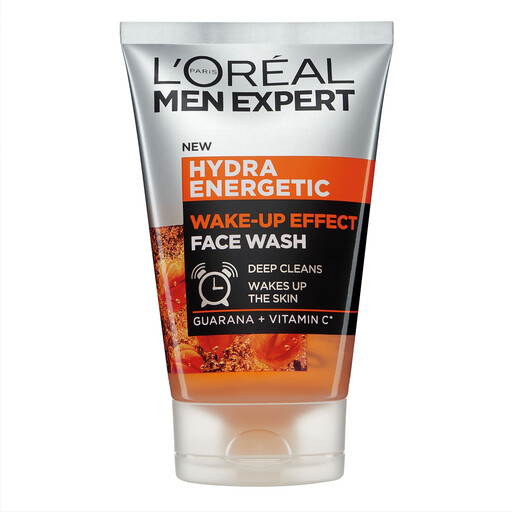
Why This Fits Their Persona: A practical men's face wash for morning and evening use, especially around commuting, shaving and daily oil build-up.
Its ingredients include glycerin and salicylic acid, while the product information explains its foaming gel format and intended daily use.
100ml tube; guarana extract and vitamin C derivative listed; produces a rich foam when mixed with water.
We have compiled a complete, real-time list of products that fully satisfy these strict selection criteria and UK safety regulations.
Most people use a daily cleanser once or twice a day, depending on skin type, exercise, sunscreen and make-up use. If your skin feels tight or irritated, reduce frequency or choose a gentler hydrating face wash. Oily skin does not necessarily require repeated aggressive washing.
Look for a short, clearly listed formula with mild surfactants, moisturising ingredients and a low-pH description. Be cautious with fragrance, menthol, essential oils, scrubs and several exfoliating acids in one product. A cleanser for sensitive skin should still be patch tested, and use should stop if irritation appears.
A 100–150ml tube may last several weeks to a few months, depending on whether it is used once or twice daily and how much is dispensed each time. Close the cap or pump after use, store it away from heat and sunlight, and follow the packaging guidance for shelf life and batch information.