
24/7 全天候客户支持

免费退货

当日/次日达

品质保障

开启新人专享福利: 全场免邮 | 低至 2 折 | 免费试用 30 天 JoyPlus 会员
下载 Joybuy
Oily and acne-prone skin needs more than a cleanser that produces a lot of foam. The right formula should remove excess sebum, sunscreen and daily grime without leaving your face tight, flaky or uncomfortable. For UK shoppers, the challenge is separating useful ingredients from attractive packaging and exaggerated claims.
This guide explains what to check before buying facial cleansers for oily and acne-prone skin, then matches selected products to different routines and skin concerns.
A squeaky-clean finish can indicate that too much surface oil has been removed. This may leave combination or sensitive skin feeling tight, particularly during colder UK weather or when indoor heating is used. High-foaming formulas are not necessarily more effective at clearing pores than a gentle foaming cleanser.
Look for a suitable surfactant system, a comfortable finish and clear usage instructions rather than judging performance by foam volume alone.
A salicylic acid face wash, AHA-BHA-PHA formula or physical scrub may be useful for congested areas, but using several exfoliating products together can increase dryness and irritation. A cleanser is also a rinse-off product, so it should not be treated like a leave-on acne treatment.
If your routine already contains acids, retinol or benzoyl peroxide, choose a simpler cleanser unless a healthcare professional advises otherwise.
Green tea, willow bark, tea tree and botanical extracts can make a formula appealing, but plant-based ingredients are not automatically suitable for every sensitive complexion. Similarly, pores cannot be permanently closed by a face wash. A cleanser may temporarily make skin look fresher by removing oil and surface debris, but pore appearance is influenced by genetics, sebum production and skin texture.
For daily use, consider low-pH cleansers, amino-acid surfactants or low-lather gel formulas. These can be preferable if your skin feels dry after washing. A product labelled non-comedogenic may be useful for blemish-prone users, but check the full ingredient list and your own tolerance.
Those needing a more thorough deep cleansing facial wash should still avoid vigorous rubbing. Massage for around 30–60 seconds, rinse with lukewarm water and pat dry.
Do not assume a higher concentration is better. In a rinse-off product, frequency and skin tolerance matter. Products containing exfoliating acids may also require daytime sun protection, according to their warnings.
If your cheeks are dry but your T-zone is oily, a cleanser for combination skin should remove shine without over-cleansing the drier areas. Glycerin, panthenol, allantoin, amino acids and hyaluronic acid can support a more comfortable after-wash feel.
If you are comparing a Korean facial cleanser, check whether the product’s practical features match your routine rather than buying solely because of its origin or trend status.
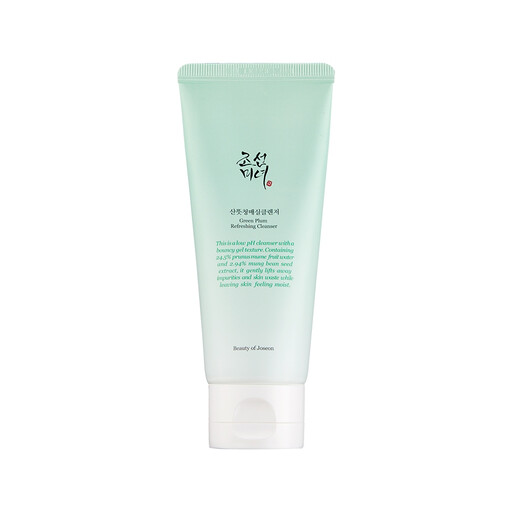
Why This Fits Their Persona: A straightforward gel-to-foam option for teenagers aged 12 and over or adults starting a simple morning-and-evening routine.
Its low-pH, non-stripping positioning is more practical than choosing a cleanser solely for heavy foam or dramatic pore claims.
Contains green plum water and mung bean extract; the listed formula includes glycerin and gentle cleansing agents.
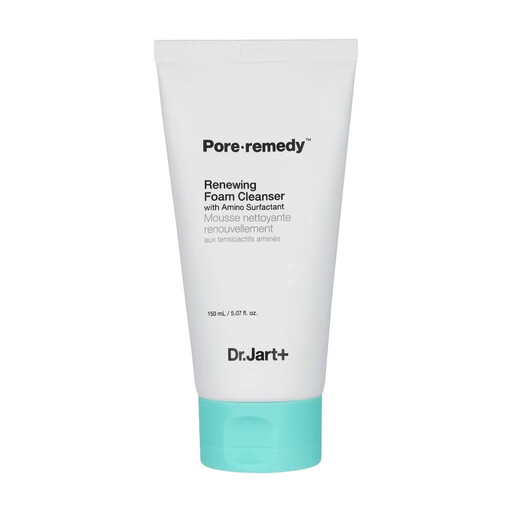
Why This Fits Their Persona: Suits shoppers wanting a larger-format foam cleanser with a cushiony texture for regular use after a busy day.
The listed amino-based cleansing system, glycerin and panthenol offer a comfort-focused alternative to harsh oil-stripping washes.
150ml size; fragrance-free listing with panthenol, glycerin and gluconolactone.
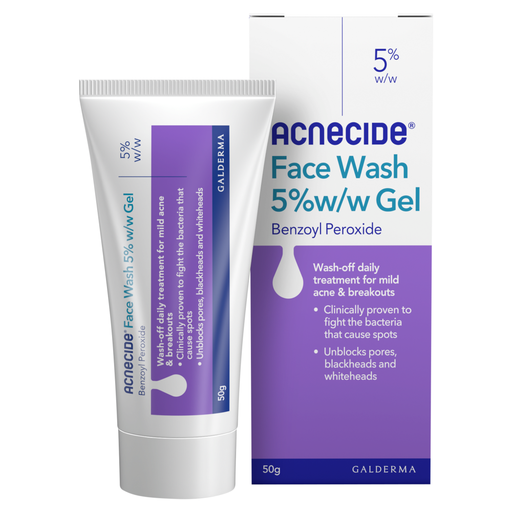
Why This Fits Their Persona: Intended for adults and adolescents aged 12 and over seeking a labelled wash-off medicinal option for mild facial acne.
It clearly identifies 5% w/w benzoyl peroxide and provides staged-use warnings, unlike cosmetic products with vague acne-focused language.
Wash-off medicinal format; the product instructions cover irritation, fabric bleaching and when to seek medical advice.
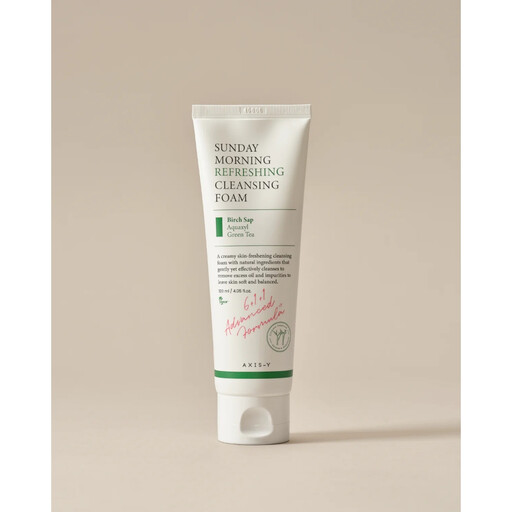
Why This Fits Their Persona: A daily low-pH choice for people whose T-zone becomes oily while their cheeks feel easily stressed or dry.
Its approximately pH 5.5 positioning and non-exfoliating formula make it a sensible alternative to stacking multiple pore-cleansing acids.
Contains glycerin, birch sap, mugwort, allantoin and sodium hyaluronate in the listed ingredients.
Use lukewarm water and a small amount of product. Cleanse once in the evening to remove sunscreen, pollution and oil; a morning cleanse may be useful if you wake up oily, but is not compulsory for everyone.
For a blackhead cleanser or exfoliating face wash:
Acnecide is different from a standard cosmetic cleanser because it is a medicinal product. Follow its pack instructions, avoid combining it with other acne treatments unless advised, and consult a pharmacist or doctor if symptoms worsen or do not improve within the stated period.
We have compiled a complete, real-time list of products that fully satisfy these strict selection criteria and UK safety regulations.
A gentle cleanser can usually be used once or twice daily according to your skin’s comfort. Products containing acids, enzymes or scrub particles may need less frequent use. Always follow the individual label, especially if you also use retinol, benzoyl peroxide or leave-on acids.
Usage varies with the amount applied and whether it is used once or twice daily. A small, grape-sized or pea-sized amount is often sufficient, so a 100–150ml tube may last several weeks or longer. Replace it according to the packaging period-after-opening guidance and check the product’s batch and expiry information.