
24/7 Customer Support

Free returns

Same-day & Next-day Delivery

Quality Guaranteed

Unlock Your Welcome Offers: FREE Delivery | Up to 80% OFF | Free 30-day JoyPlus trial
Download the APP
Finding suitable facial cleansers for sensitive skin can be surprisingly difficult. A product may promise hydration and comfort yet leave your face tight, itchy or overly dry after rinsing. Others may remove make-up effectively but rely on fragrance or a strong foaming action that does not suit reactive complexions.
The right choice depends less on attractive claims and more on the formula, cleansing format and your daily routine. This guide explains the main buying pitfalls, the specifications worth checking and our top recommendations for different skin needs.
Natural-origin ingredients can be useful, but they are not automatically suitable for every sensitive complexion. Essential oils, botanical extracts and fragrance components may still cause discomfort for some users. Always check the complete ingredient list, particularly if you already know that fragrance or particular plant extracts do not suit you.
A rich lather can feel satisfying, but more foam does not necessarily mean a more effective cleanse. Some foaming products may leave dry or reactive skin feeling tight, especially when used with hot water or vigorous rubbing. Look for a soap-free facial cleanser with a mild surfactant system and moisturising ingredients such as glycerin, panthenol or hyaluronic acid.
Terms such as “dermatologically tested”, “hypoallergenic” and “suitable for sensitive skin” describe how a product has been positioned or assessed, but they cannot predict how every individual will react. A patch test is sensible when trying a new sensitive skin cleanser, particularly if your skin is currently irritated. Stop use if redness, burning or persistent discomfort develops.
For dry, dehydrated or irritation-prone skin, prioritise a gentle facial cleanser containing humectants and skin-conditioning ingredients. Glycerin, panthenol, oat, ceramides and certain plant oils can help provide a more comfortable after-feel.
A fragrance-free face wash may be preferable if fragrance is a known trigger. However, check the packaging rather than relying only on the product title. Some formulas described as nourishing or soothing still contain parfum or fragrance allergens.
Compare bottle size with how often you cleanse. A 200–250ml pump or tube can be economical for twice-daily use, while a 50ml option is convenient for travel. Read the directions, warnings and current ingredient list printed on the packaging before use. Avoid the eye area unless the product specifically indicates suitability there, and never use a cosmetic cleanser on broken or inflamed skin.
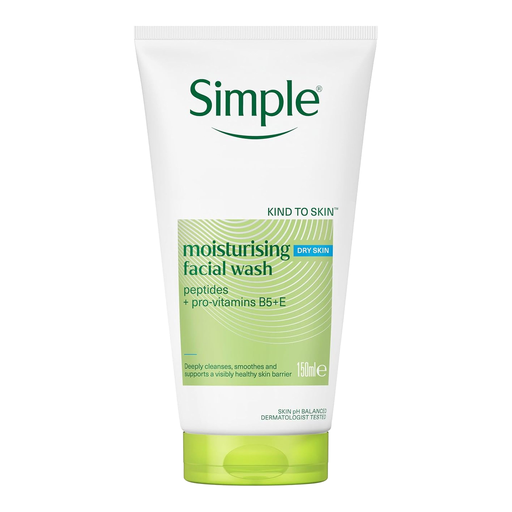
Why This Fits Their Persona: A practical 150ml daily wash for shoppers starting a simple morning-and-evening routine, including those who want a portable tube for UK travel.
The listed formula is pH-balanced and soap-free, while artificial perfume and colourants are excluded. Check the current packaging, as formulations can change.
Contains glycerin, pro-vitamin B5, vitamin E and peptides; the squeeze tube offers controlled dispensing.
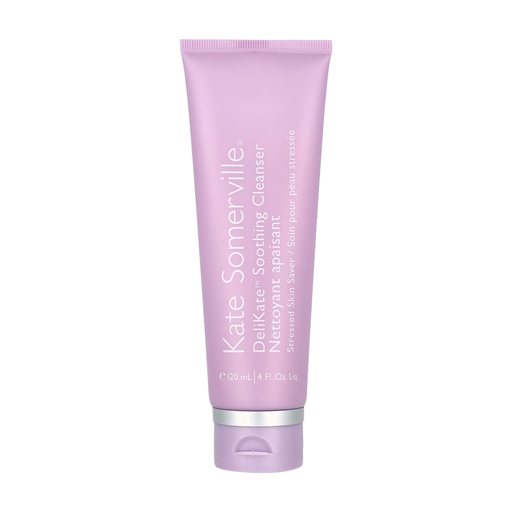
Why This Fits Their Persona: A rich cream option for shoppers willing to prioritise a fragrance-free formula and a comfort-focused texture during colder, windier months.
It avoids synthetic fragrance and sulphates, and uses a cream texture rather than relying on a large foam volume to create a clean feeling.
Includes ceramides, cholesterol, phytosphingosine and aloe leaf juice; the 120ml size suits a targeted routine.
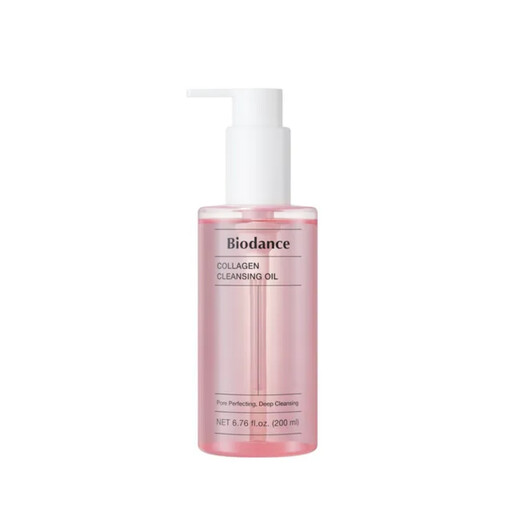
Why This Fits Their Persona: Designed for evening routines involving waterproof make-up or high-factor sunscreen, with a pump bottle suited to regular use.
The instructions specify dry hands and a dry face first, followed by emulsifying with water. This reduces the temptation to scrub repeatedly when removing long-wear products.
Contains several ceramides, jojoba seed oil, argan oil and panthenol; the 200ml format is practical for frequent cleansing.
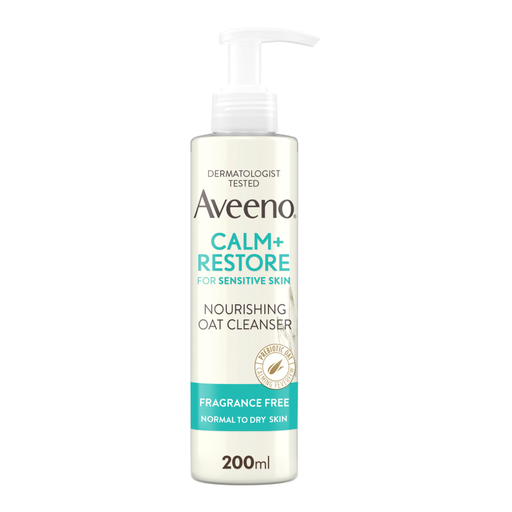
Why This Fits Their Persona: A milky gel-cream option for adults who prefer a low-foam, fragrance-free cleanser for daily use in a dry or centrally heated home.
It uses a non-foaming milky texture and is listed without fragrance, parabens, sulphates, alcohol or dye. Review the label before purchase.
Contains oat, glycerin and sodium hyaluronate; the 200ml bottle is suitable for regular morning and evening use.
We have compiled a complete, real-time list of products that fully satisfy these strict selection criteria and UK safety regulations.
Use lukewarm water, not very hot water, and massage for around 20–30 seconds without scrubbing. Apply cleansing balm or oil to dry skin when removing persistent make-up, then emulsify and rinse thoroughly. For a lighter routine, a cream cleanser, cleansing milk or hydrating face wash may be enough.
After cleansing, pat rather than rub your face dry and apply moisturiser while the skin still feels comfortable. If micellar water is used as a make-up remover cleanser, follow the product directions and consider rinsing if residue feels uncomfortable.
A fragrance-free cream cleanser, cleansing milk or low-foam oat-based formula may be a sensible starting point. Look for glycerin, panthenol, oat or ceramides, and avoid introducing several new products at once.
Yes, provided the formula is mild and does not leave persistent tightness. Choose a soap-free cleanser, use a small amount and rinse with lukewarm water. If your skin feels stripped afterwards, switch to a cream or milk format.
This depends on size, frequency and dosage. A 150–250ml cleanser used once or twice daily may last several weeks to a few months. Use the recommended amount rather than applying extra product, and follow the period-after-opening symbol and storage guidance on the packaging.