
24/7 Customer Support

Free returns

Same-day & Next-day Delivery

Quality Guaranteed

Unlock Your Welcome Offers: FREE Delivery | Up to 80% OFF | Free 30-day JoyPlus trial
Download the APP
Removing make-up, sunscreen and everyday pollution can be difficult with an ordinary face wash. A facial cleansing balm and oil is designed to dissolve oil-based products first, helping prepare the skin for a water-based cleanser. However, the right formula depends on your skin type, routine and tolerance.
The labels can also be misleading. A product described as “deep cleansing” may feel heavy or leave residue, while a “natural” formula may still contain fragrance or essential oils that do not suit reactive skin. Use the following checks to compare cleansing balm and cleansing oil options more carefully.
A thick balm can feel luxurious, but texture alone does not determine performance. The important question is whether it melts into an oil and then emulsifies with water. This transformation helps the cleanser rinse away rather than leaving an oily film.
A lightweight cleansing oil can remove long-wear foundation and SPF just as effectively, while being easier to dispense and spread across the face.
Oil can help dissolve sebum and make-up residue, but a cleansing oil is not a substitute for a treatment designed for persistent blackheads or acne. Be cautious of claims suggesting that massage will permanently shrink pores, remove all blackheads or change skin structure.
For a pore cleansing oil, look for a formula that rinses clean and avoid excessive rubbing. Over-massaging the nose or T-zone may cause discomfort, particularly if your skin is already irritated.
“Botanical”, “Korean cleansing oil” and “natural” do not automatically mean suitable for everyone. Check the INCI list for parfum, fragrance allergens and essential oils such as lavender, citrus or rosemary. These ingredients may be acceptable for some users but less suitable for people with fragrance sensitivities.
For a cleansing balm, check whether it changes from solid balm to oil and then to a milky emulsion. This is commonly called a balm-to-oil cleanser or balm-to-milk formula. For an oil, look for a pump bottle and clear instructions to apply it to dry hands and a dry face.
A formula that emulsifies easily is generally more convenient for evening use and reduces the need for vigorous rubbing. Rinse with lukewarm water rather than very hot water, which can leave some skin feeling dry.
If you regularly wear waterproof mascara, long-wear foundation or high-factor sunscreen, choose a product specifically described as a waterproof make-up remover or SPF remover. Focus gently on areas with heavier product, allowing the cleanser time to dissolve it.
Always follow the product directions. Some formulas are suitable for the eye area, while others advise avoiding direct eye contact. If you wear contact lenses, remove them before cleansing unless the product instructions state otherwise.
For dry or mature skin, oils such as sunflower, safflower, jojoba, almond or avocado may provide a comfortable, nourishing texture. Those with oily or acne-prone skin may prefer a lighter formula that rinses without a greasy finish.
People seeking a sensitive skin cleanser should consider fragrance-free options and keep the ingredient list under review. Patch testing is sensible when trying a new product, particularly if you have reacted to skincare products before. Stop use if redness, itching or burning develops.
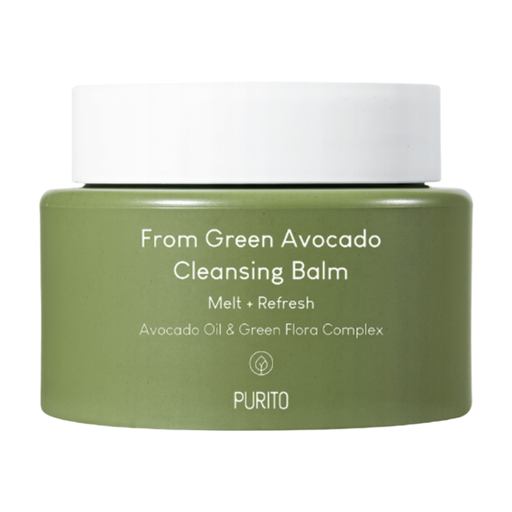
Why This Fits Their Persona: A straightforward balm format for shoppers moving from wipes or basic face wash to double cleansing, with a 100ml size suited to regular evening use.
The formula is designed to transform into an oil and can be rinsed with lukewarm water, helping avoid the residue associated with some rich balms.
Contains avocado oil at 10,000ppm and includes watermelon and baobab seed oils. Its solid format is convenient for bathroom storage.
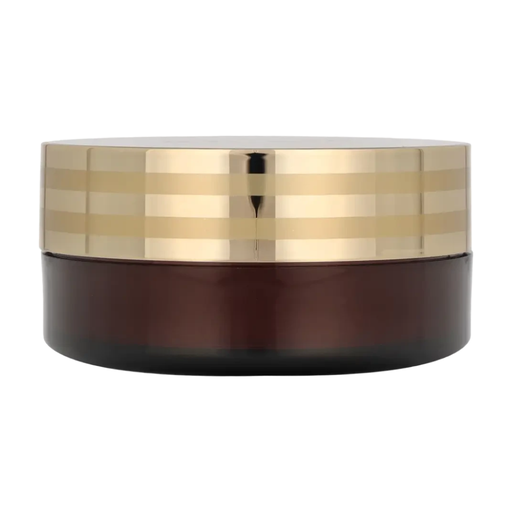
Why This Fits Their Persona: A compact premium balm for shoppers who value a multi-stage texture and a more sensorial evening routine after commuting or wearing long-lasting make-up.
Its stated balm-to-oil-to-milk transformation gives a clear rinsing process rather than relying only on a rich, non-rinsing texture.
Contains 25% safflower seed oil and is described for long-wear and waterproof make-up removal. The 70ml jar is suitable for occasional travel.
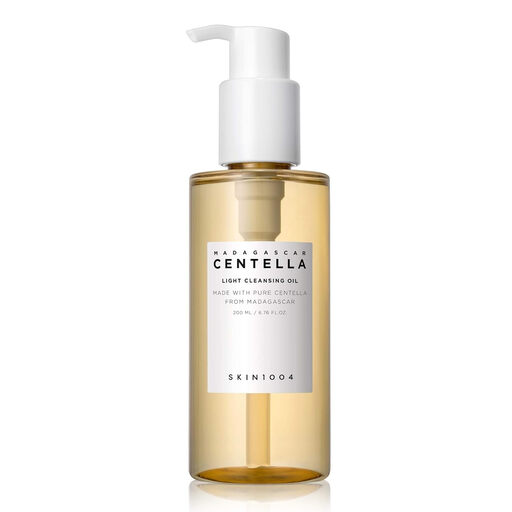
Why This Fits Their Persona: The lightweight pump format suits users who prefer a fluid cleanser that spreads quickly and fits a daily double-cleansing routine.
The product instructions specify dry application followed by water emulsification, helping users avoid applying oil to a wet face and creating a diluted, less controlled cleanse.
Includes centella asiatica extract and a 200ml size. The formula is described as mineral-oil-free and designed to remove make-up, sunscreen and sebum.
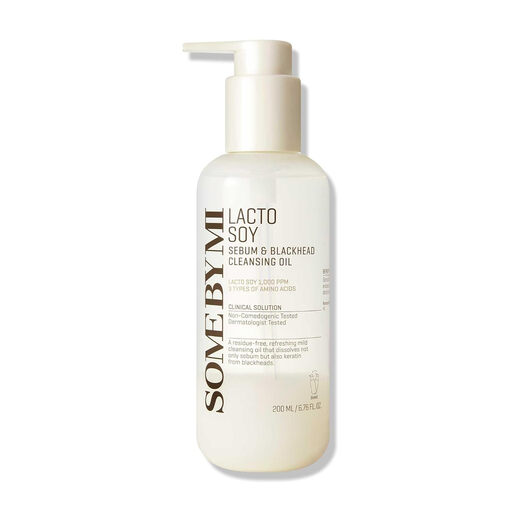
Why This Fits Their Persona: A practical option for users who frequently wear sunscreen or make-up and pay particular attention to an oilier T-zone.
The instructions emphasise shaking, dry application, gentle massage and complete emulsification, reducing the risk of leaving oil or silica-containing residue behind.
Contains lactobacillus/soymilk ferment filtrate, silica and several plant oils. The 200ml bottle is useful for frequent evening cleansing.
A first-step cleanser should remove surface products; it should not leave your skin feeling persistently tight, hot or uncomfortable. If it does, reconsider the formula or reduce massage time.
We have compiled a complete, real-time list of products that fully satisfy these strict selection criteria and UK safety regulations.
Neither format is automatically more suitable. A balm is less likely to spill and often feels cushioning, while an oil is quick to dispense and spread. Choose the texture you will use consistently, then check that it emulsifies and rinses clean.
Many cleansing oils are formulated to dissolve oil-based make-up and sunscreen. Apply to dry skin, massage gently and emulsify properly. Waterproof eye make-up may need extra attention, but avoid rubbing if your eyes sting or become blurred.
Usage varies according to the amount applied and whether it is used daily. A 200ml pump bottle may last longer than a smaller balm jar for some users, but the cost per use depends on dosage. Follow the packaging guidance, close the container securely and check the printed batch, shelf-life and storage information.