
24/7 Customer Support

Free returns

Same-day & Next-day Delivery

Quality Guaranteed

Unlock Your Welcome Offers: FREE Delivery | Up to 80% OFF | Free 30-day JoyPlus trial
Download the APP
A facial cleansing foam can make a daily routine feel quick and comfortable, but the wrong formula may leave skin tight, greasy or irritated. UK shoppers often compare texture and price first, while overlooking the details that affect long-term suitability.
Three common buying traps are worth avoiding:
The right foaming face wash should match your skin type, cleansing habits and tolerance for active ingredients.
Look for the type of surfactants used rather than judging the product by its bubbles. Amino-acid surfactants, such as cocoyl glycinate, cocoyl glutamate and sodium methyl cocoyl taurate, are commonly selected for milder cleansing systems. Betaine-based and amphoteric surfactants can also help create a comfortable lather.
This does not mean every product containing these ingredients will suit every person. The complete formula, fragrance, cleansing strength and how long you massage the face all matter. If your skin feels persistently tight after washing, the cleanser may be too intensive for your routine.
A low-pH cleanser is generally designed to sit closer to the skin’s naturally acidic surface environment. Products such as Axis-Y Sunday Morning Refreshing Cleansing Foam and Heimish All Clean Green Foam list a mildly acidic pH of approximately 5.5.
However, pH is not the only selection point. An acne-prone skin cleanser may include salicylic acid, while a hydrating facial cleanser may focus on glycerin, panthenol or hyaluronic acid. Choose according to your main need rather than treating one specification as a guarantee of comfort.
For oily or congested skin, an exfoliating cleanser may contain salicylic acid, willow bark extract, gluconolactone, papain or fine particles. These features can support a pore-cleansing face wash routine, but they should not automatically be used twice daily.
Check whether the product contains:
Always follow the packaging directions. For a new cleanser, patch testing and starting with a lower frequency can help you assess compatibility.
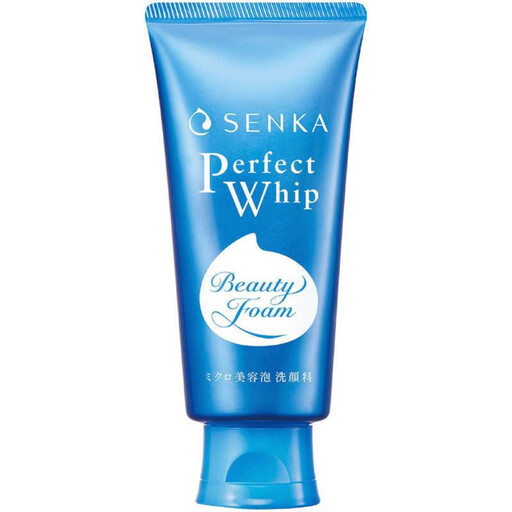
Why This Fits Their Persona: A practical option for shoppers seeking a familiar daily facial wash with a dense lather and 120g tube for regular morning and evening use.
Its product information identifies moisturising ingredients alongside the foaming base, helping shoppers look beyond foam volume alone. It does contain fragrance, so sensitive users should review the ingredient list first.
Dense whipped foam; contains glycerin, sodium hyaluronate and sericin; suitable for straightforward daily cleansing.
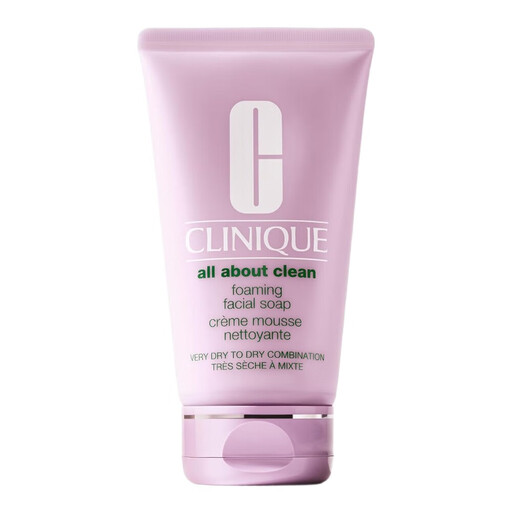
Why This Fits Their Persona: Suits shoppers who prioritise a fragrance-free formula, a larger 150ml size and a simple cleansing step for dry or sensitive-feeling skin.
The formula information clearly lists fragrance-free positioning rather than relying only on “gentle” wording. It also includes humectants, but individual tolerance can still vary.
Fragrance-free; contains glycerin and sodium hyaluronate; creamy foam format for daily use.
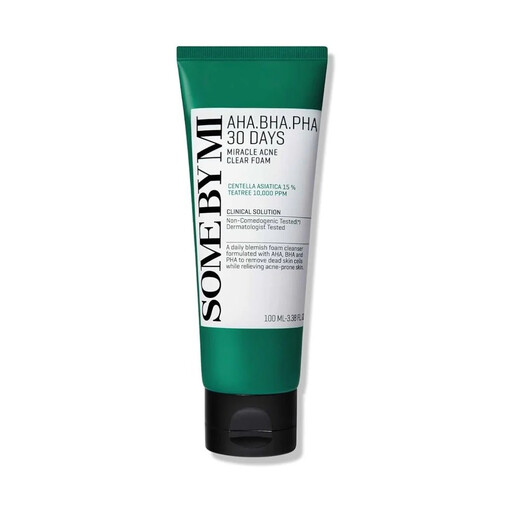
Why This Fits Their Persona: Designed for oily, congested shoppers who specifically want an exfoliating Korean facial cleanser as part of a pore-care routine.
Its ingredient information identifies AHA, salicylic acid and gluconolactone, making the exfoliating function clear. Users should reduce frequency if their skin is acid-sensitive and wear daytime sunscreen.
Triple-acid positioning; includes centella asiatica, tea tree leaf water and calamine; creamy foam texture.
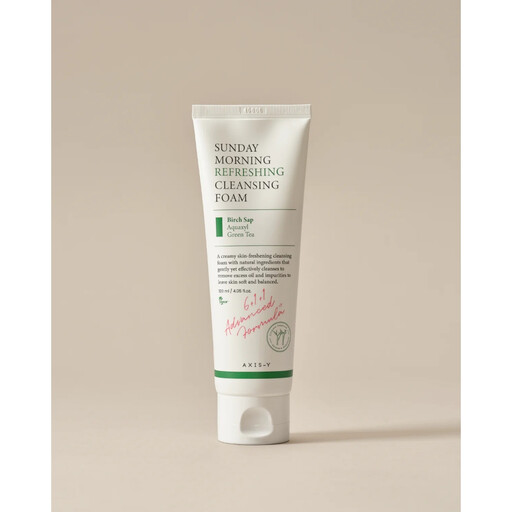
Why This Fits Their Persona: A low-pH daily option for shoppers who want a straightforward cleanser for sensitive or stressed skin without adding strong exfoliating acids.
Its listed pH is approximately 5.5, and the ingredient list shows a blend of cleansing agents with glycerin and soothing plant extracts. Patch testing remains sensible for reactive skin.
Low-pH formula; contains glycerin, birch sap, centella asiatica and sodium hyaluronate; suitable for everyday cleansing.
We have compiled a complete, real-time list of products that fully satisfy these strict selection criteria and UK safety regulations.
A facial cleanser is designed to be rinsed off. Avoid leaving a daily facial wash on longer than the packaging instructs, unless it specifically provides a separate mask method.
It can be, provided the formula is non-stripping and used gently. Look for glycerin, panthenol, hyaluronic acid or other moisturising ingredients, and avoid very hot water or prolonged massage. A creamier, low-foam formula may feel more comfortable than a highly degreasing wash.
Some are designed for daily use, but exfoliating cleansers containing salicylic acid, AHA, PHA or enzymes may need a slower introduction. Follow the product directions and avoid combining several strong exfoliating products at once. Stop using the cleanser if persistent stinging, redness or swelling develops.
Usage varies with the amount dispensed and whether it is used once or twice daily. A small, properly lathered portion is generally sufficient for one wash. Store the tube or pump in a cool, dry place, close it securely and check the packaging for the current shelf-life and after-opening information.