
24/7 Customer Support

Free returns

Same-day & Next-day Delivery

Quality Guaranteed

Unlock Your Welcome Offers: FREE Delivery | Up to 80% OFF | Free 30-day JoyPlus trial
Download the APP
Facial cleansing wipes and cotton pads can simplify make-up removal, toner application and everyday cleansing. However, the cheapest-looking pack is not always the most economical or suitable option. A wipe that dries out halfway through the pack, a pad that sheds fibres or an exfoliating formula used too often can quickly turn a convenient purchase into wasted money.
This guide explains the main buying traps, the specifications worth checking and which formats may suit different UK shopping habits.
Biodegradable facial wipes may break down more readily than synthetic alternatives under suitable conditions, but that does not mean they should go down the toilet. Most wipes and cotton pads can contribute to blockages. Put used products in a household waste bin unless the packaging clearly provides different disposal instructions.
Also check what “plant-based” refers to. It may describe the wipe material rather than the entire formula or packaging.
A bulk pack can offer a lower cost per use, but pre-moistened wipes need packaging that helps retain moisture. Look for a resealable closure, and close it firmly after every use. Dry wipes can drag across the skin and encourage users to rub harder.
For cotton wool pads, a large pack is usually simpler to store because the pads are dry. Exfoliating toner pads are different: their active liquid can lose quality if the container is left open or stored in heat.
“Gentle” is not a universal guarantee. Check the ingredient list for potential personal triggers such as fragrance, essential oils, alcohol or exfoliating acids. People with sensitive skin may prefer a simpler, fragrance-free option, while those seeking exfoliation need to introduce acid pads gradually rather than adding them to every cleansing step.
For daily make-up removal, consider whether the sheet feels smooth enough for the eye and lip area. 100% cotton pads are absorbent and useful with micellar water, cleanser or toner, while reusable make-up remover pads may reduce the number of disposable items used over time.
Disposable face towels and compressed facial wipes are larger formats. They can be useful after washing, at the gym or when travelling, but check the unfolded dimensions and whether water needs to be added before use.
For sensitive skin cleansing wipes, look for a clearly stated formula and consider avoiding artificial perfume if you are prone to discomfort. Ingredients such as glycerin, panthenol and vitamin E are commonly used in skincare formulations, but individual reactions remain possible.
Exfoliating toner pads may contain AHA, BHA or PHA. These acids have different properties, but all require sensible use. Begin according to the product directions, avoid broken or irritated skin and use daytime sun protection when specified on the label. Do not combine several strong exfoliating products without considering the total routine.
Compare the number of sheets, not only the shelf price. A 20-piece travel pack may be convenient but cost more per use than a 50- or 100-piece pack. For households, 200 cotton wool pads may reduce repurchasing, while single-use wipes can be more practical for holidays or occasional use.
Store all products in a cool, dry place and follow the packaging instructions. Reseal wet-wipe packs and close jars of toner pads tightly to reduce drying.
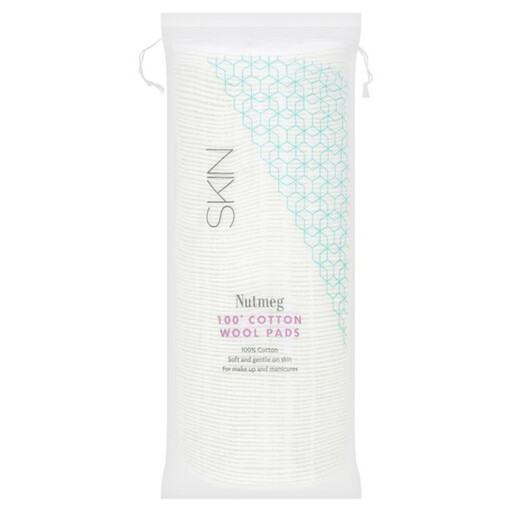
Why This Fits Their Persona: A straightforward dry-pad option for shoppers building a basic cleansing, toner or make-up removal routine without paying for pre-soaked sheets.
The dry 100-pad format avoids the risk of a wet pack drying out before it is finished. You add only the product needed for each use.
Made from 100% cotton; large oval shape and absorbent construction are suitable for cleansers, toners and moisturisers.
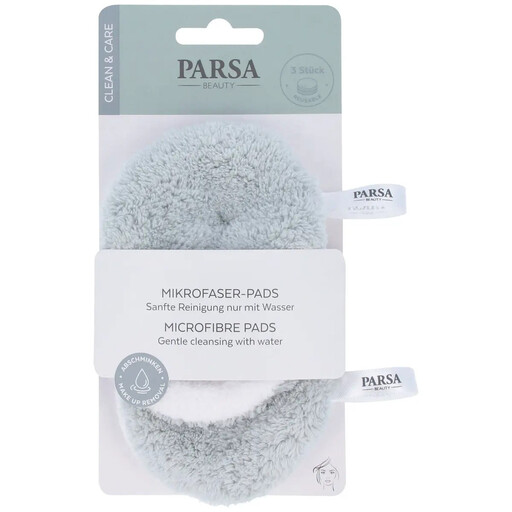
Why This Fits Their Persona: Suitable for shoppers who prefer a reusable format and are prepared to wash and dry their cleansing pads after use.
The washable design reduces reliance on disposable make-up remover wipes and cotton pads, provided it is cleaned correctly between uses.
Two-sided microfibre construction; wash with warm water, wring out and air-dry after use.
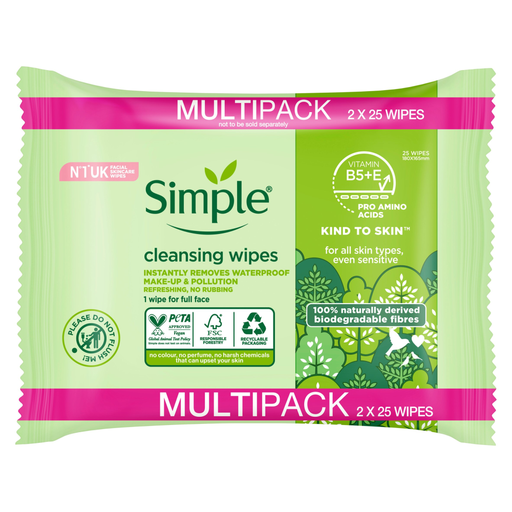
Why This Fits Their Persona: A practical choice for frequent make-up removal, late-night cleansing, commuting or keeping in a UK gym and travel bag.
The 50-wipe pack includes a resealable closure, while the product information specifies plant-based biodegradable fibres and disposal in a bin rather than the toilet.
Described as free from artificial perfume, colour and alcohol; contains glycerin, Pro-Vitamin B5 and vitamin E.
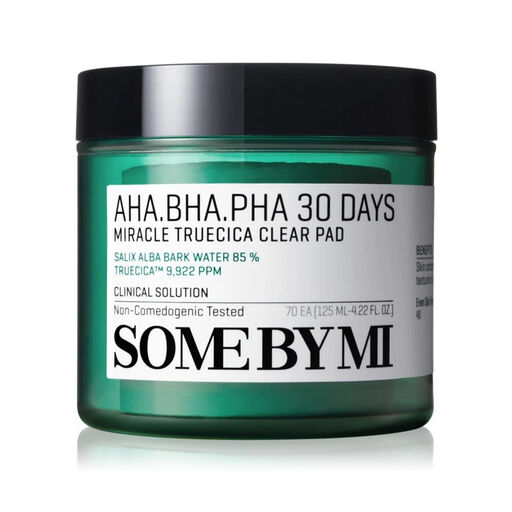
Why This Fits Their Persona: Designed for shoppers seeking an exfoliating toner pad with a dual-texture surface for targeted areas such as the T-zone.
The ingredient list identifies AHA-, BHA- and PHA-related ingredients, making it clearer that this is an active treatment pad rather than a simple cleansing pad.
70 pads; embossed and smooth sides; includes panthenol, hyaluronic acid and allantoin. Follow the label guidance and use SPF during acid exfoliation.
We have compiled a complete, real-time list of products that fully satisfy these strict selection criteria and UK safety regulations.
They can be convenient for occasional or on-the-go cleansing, but they do not have to replace a complete wash routine. Choose a formula that suits your skin, avoid rubbing and follow with your usual skincare if needed. Stop using a product if redness, itching or discomfort develops.
Dry cotton wool pads can remain usable for a long time when kept sealed and dry. The practical lifespan depends on how many you use each day. Divide the pack quantity by your average daily use to estimate its duration and compare the cost per use.
They may reduce repeat purchases, but the calculation should include washing, drying and replacement. They are most suitable for shoppers who can clean them consistently. Disposable wipes or cotton pads may remain more convenient for travel, shared bathrooms or occasional use.