
24/7 Customer Support

Free returns

Same-day & Next-day Delivery

Quality Guaranteed

Unlock Your Welcome Offers: FREE Delivery | Up to 80% OFF | Free 30-day JoyPlus trial
Download the APP
A facial essence can add comfortable hydration, soften the look of rough texture and prepare skin for the rest of your routine. However, choosing one from a crowded shelf of Korean skincare essences, Japanese lotions and essence toners is not always straightforward.
The most common mistake is buying according to a dramatic promise rather than the formula, texture and intended use. This guide helps UK shoppers compare facial essences more carefully and select a product that suits their skin and routine.
Most essences are lightweight, water-based products. They can improve the feeling of hydration, but they are not always sufficient as the final step, particularly during cold, dry UK weather. If your skin feels tight after cleansing, apply a moisturiser over your essence to reduce moisture loss.
A brightening essence may contain ingredients such as niacinamide, rice extract or vitamin C derivatives. These ingredients can support a more even-looking complexion, but results vary and are not guaranteed. Treat marketing language as an indication of the formula’s focus, not a promise of a specific cosmetic result.
An essence containing fermented extracts, acids, fragrance or alcohol may feel different from a simple hydrating face essence. Sensitive or blemish-prone skin can react to otherwise popular ingredients. Always check the current ingredient list on the packaging and patch test new products, especially if your skin is reactive.
For dehydrated or dry skin, look for humectants such as glycerin, beta-glucan, panthenol, sodium PCA and hyaluronic acid. A hyaluronic acid essence may contain different molecular sizes, but the number alone does not determine whether the product will suit you. The overall formula and how well you seal it with moisturiser matter too.
If you prefer a lightweight facial essence for daytime use, choose a fluid texture that absorbs without leaving a greasy film. A richer moisturising essence may be more comfortable at night or in centrally heated rooms.
For skin that feels easily stressed, consider ingredients such as centella asiatica, oat extract, ceramides, panthenol and allantoin. A centella essence or barrier repair essence may be useful when your routine needs a simpler, comfort-focused step.
Avoid assuming that “barrier repair” means a product can treat a skin condition. Cosmetic products can support the feeling and appearance of moisturised skin, but persistent irritation should be discussed with a qualified healthcare professional.
Consider whether you will apply the essence with your palms or a cotton pad. Watery products are easy to layer, while milky or gel textures may provide a more substantial finish. Dual-phase formulas usually need shaking before use.
A facial essence is generally applied after cleansing and, where used, toner. Follow with serum, moisturiser and sunscreen in the morning. In a multi-step routine, avoid adding several new active products at once, as it becomes harder to identify the cause of irritation.
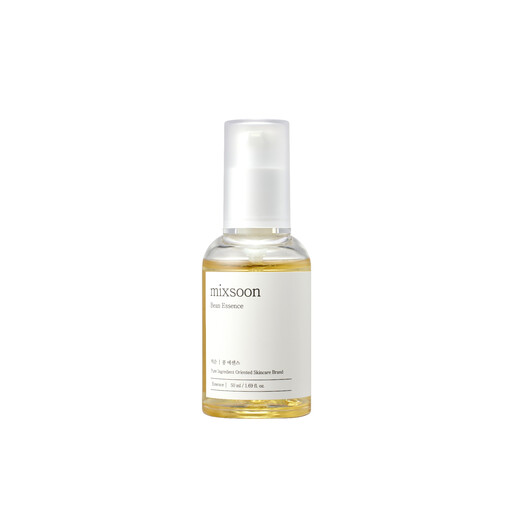
Why This Fits Their Persona: A straightforward option for shoppers starting a simple routine and wanting hydration with texture-focused care.
The ingredient list identifies fermented soybean, pomegranate and barley-derived ingredients rather than relying only on vague “glow” wording. Introduce it gradually if your skin is sensitive to exfoliating ingredients.
Lightweight texture; includes glycerin and fermented extracts; suitable for a routine centred on hydration and smoother-feeling skin.
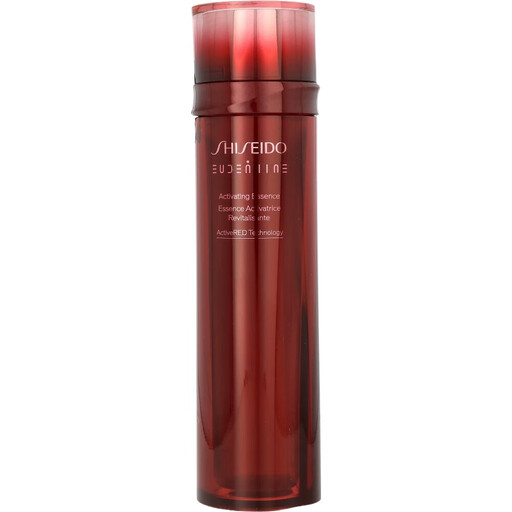
Why This Fits Their Persona: Suits shoppers seeking a Japanese essence with a more substantial ritual and refillable packaging format.
The ingredient list clearly includes alcohol, fragrance and fragrance allergens, so shoppers can make a more informed choice instead of assuming every essence is fragrance-free.
Contains two forms of hyaluronic acid and ethyl ascorbic acid; refill system is listed as part of the packaging design.
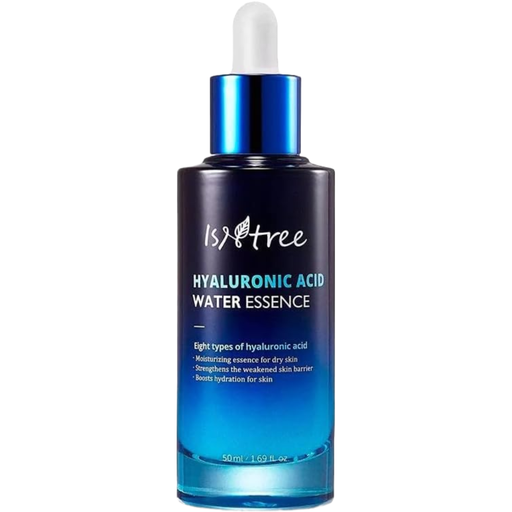
Why This Fits Their Persona: Suitable for shoppers who layer hydration during cold weather, in heated homes or after cleansing leaves skin feeling dry.
The formula specifies eight types of hyaluronic acid and a quick-absorbing finish, helping buyers assess both the hydration focus and likely layering experience.
Includes glycerin, panthenol, niacinamide, oat extract and multiple hyaluronic acid forms; the listed formula contains no artificial fragrance, alcohol or dyes.
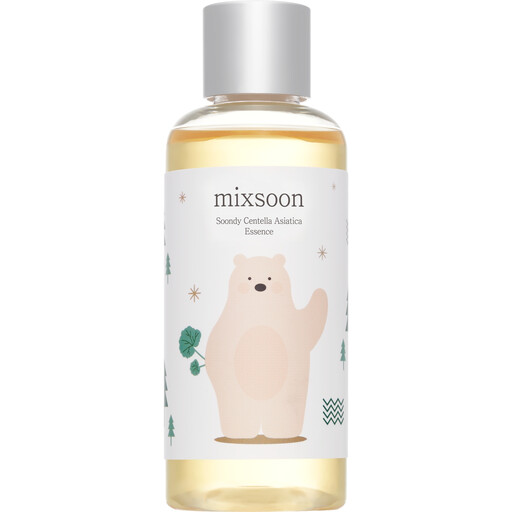
Why This Fits Their Persona: A short-ingredient-list choice for those who prefer a simple centella essence without a complex layering routine.
Its listed ingredients are limited to water, butylene glycol and centella asiatica extract, making the formula easier to review before patch testing.
Three listed ingredients; watery, lightweight format; can be applied with hands or a cotton pad.
We have compiled a complete, real-time list of products that fully satisfy these strict selection criteria and UK safety regulations.
Store the product according to its packaging instructions, usually away from direct sunlight and excessive heat. Replace it if the smell, colour or texture changes noticeably, and follow the stated period-after-opening guidance where provided.
They can overlap. An essence toner is usually more watery and may be used immediately after cleansing, while a traditional essence can feel slightly richer. Product naming is not consistent across Korean, Japanese and UK skincare ranges, so compare the texture and ingredient list rather than the label alone.
Many hydrating and moisturising essence formulas are designed for daily use, morning or evening. Products containing acids, fragrance or multiple active ingredients may need a slower introduction. Follow the product directions and stop using it if persistent irritation develops.
Usage varies according to bottle size, application method and whether you layer the product. A 50ml bottle may be used up faster than a 150ml essence water, particularly if several layers are applied. Using a moderate amount and closing the container promptly can help reduce waste.