
24/7 Customer Support

Free returns

Same-day & Next-day Delivery

Quality Guaranteed

Unlock Your Welcome Offers: FREE Delivery | Up to 80% OFF | Free 30-day JoyPlus trial
Download the APP
A facial exfoliator can help lift surface build-up, improve the feel of uneven texture and make skin appear fresher. However, choosing the wrong format can leave your face feeling tight, irritated or no different from a normal cleanser.
UK shoppers face three common marketing traps:
The practical approach is to match the exfoliator to your skin concern, preferred routine and tolerance rather than choosing by the most dramatic packaging claim.
A face scrub uses particles or granules to manually loosen surface debris. Cellulose, silica, bamboo, rice powder, sugar and konjac are examples found in different formulas. Use light pressure; more friction does not necessarily mean better results.
An exfoliating face wash combines cleansing and exfoliation in one rinse-off step. It may be convenient for oily or combination skin, but check whether it also contains fragrance, alcohol or an acid if your skin is easily reactive.
Chemical options include:
Look for the specific active or exfoliating material and its position in the ingredients list. A product marketed as a pore-cleansing scrub may mainly be a conventional cleanser with modest physical exfoliation. Likewise, “natural” particles are not automatically gentler.
If you have sensitive skin, consider a sensitive skin exfoliator with a simple, fragrance-free formula and fewer potentially irritating ingredients. Patch testing is sensible, particularly for leave-on acids, peeling products or formulas containing essential oils.
Those seeking a dead skin cell remover for dullness may prefer a mild AHA, PHA or peeling gel. For excess oil and blackheads, a salicylic acid product may be more relevant than a rich sugar scrub.
Start with the usage instructions on the packaging. A rinse-off scrub may be suggested two or three times weekly, while some cleansing products are labelled for daily use. Leave-on acids and intensive resurfacing pads generally require a slower introduction.
Avoid combining several exfoliating products in one routine. For example, using an exfoliating toner, salicylic acid exfoliator and strong peel together can increase dryness and stinging. Apply moisturiser afterwards and use broad-spectrum sun protection during the day, especially when using AHA or other acid products.
Check the packaging for the full INCI list, batch information, storage guidance and UK supplier details. Stop use if persistent redness, itching or discomfort develops; cosmetic exfoliators are not a substitute for treatment of acne, eczema or other skin conditions.
The following selections are matched to different shopping priorities rather than ranked universally.
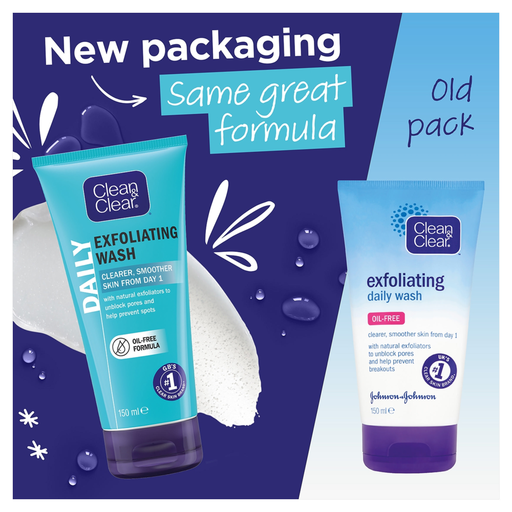
Why This Fits Their Persona: A straightforward rinse-off option for shoppers building a simple routine around a familiar face wash format.
Its exfoliating action is presented within a wash-off formula, helping avoid the commitment of a leave-on acid product. Use gently rather than scrubbing aggressively.
Contains natural exfoliators and an oil-free formula; 150ml size suits regular cleansing.
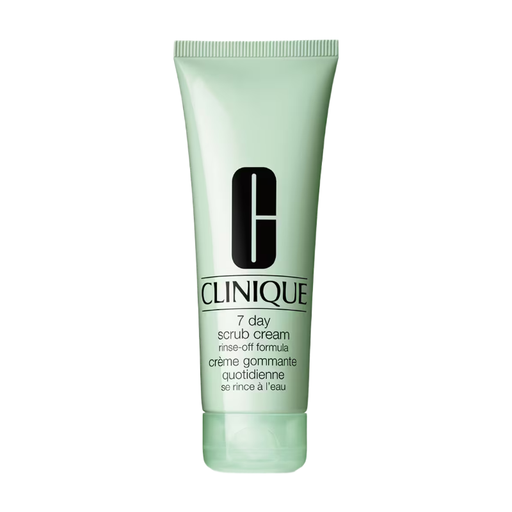
Why This Fits Their Persona: A creamy rinse-off texture suits shoppers who prioritise a controlled, less gritty feel and a fragrance-free routine.
The product information specifies silica and advises starting two to three times weekly, discouraging an overly frequent first use.
Fragrance-free formula with silica; designed for gradual use across different skin types.
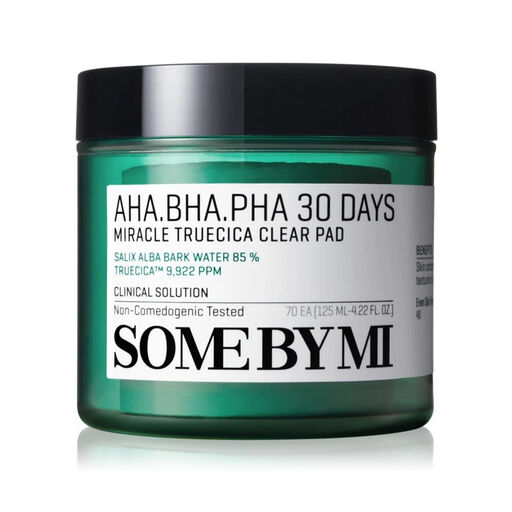
Why This Fits Their Persona: Suitable for shoppers who want a measured pad format for the T-zone, nose and areas prone to oil or visible congestion.
The product clearly identifies AHA, BHA and PHA ingredients and provides separate textured and smooth pad sides, making the intended use easier to control.
70 pads; includes betaine salicylate, citric acid, lactobionic acid, panthenol and hyaluronic acid.
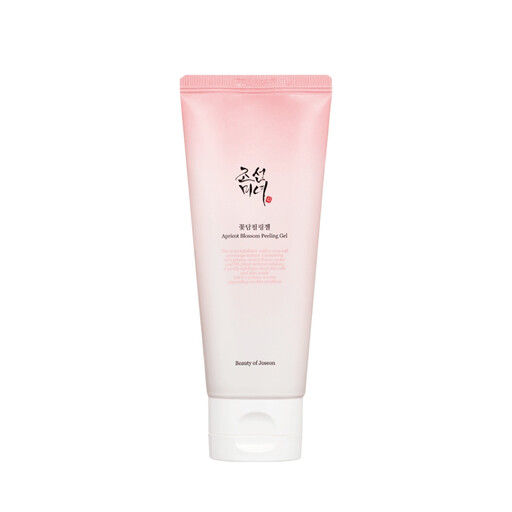
Why This Fits Their Persona: A weekly peeling gel can suit people who prefer a short, rinse-off treatment rather than daily acids or repeated pad use.
It is positioned as a gommage-style product rather than a high-strength acid peel. Massage lightly for the stated one to two minutes and rinse.
Contains cellulose and plum flower water; the listed routine suggests use once or twice weekly.
We have compiled a complete, real-time list of products that fully satisfy these strict selection criteria and UK safety regulations.
Begin with the product instructions and your skin’s response. A physical scrub or peeling gel may be suitable once or twice weekly, while a mild exfoliating cleanser may be used more often if comfortable. Reduce frequency if you notice tightness, flaking or stinging.
A face scrub can remove surface debris, but blackheads are associated with material inside pores. A salicylic acid exfoliator may be more directly suited to oily, congested areas. Avoid pressing hard or repeatedly scrubbing active blemishes.
Usually, there is little benefit in layering two similar leave-on products. Both may contain acids, and pads can add physical friction. Choose one format first, introduce it gradually and follow with moisturiser and daytime sun protection.