
24/7 Customer Support

Free returns

Same-day & Next-day Delivery

Quality Guaranteed

Unlock Your Welcome Offers: FREE Delivery | Up to 80% OFF | Free 30-day JoyPlus trial
Download the APP
A facial exfoliator can make skin feel smoother and remove surface build-up, but choosing the wrong formula may lead to dryness, stinging or wasted money. UK shoppers face several common marketing traps: a product may describe itself as “gentle” while containing rough particles, a high acid percentage may be unsuitable for beginners, and claims about pores or blackheads may not explain how the product should actually be used.
The right choice depends on your skin type, main concern and preferred routine. Use this guide to compare a face scrub, chemical exfoliant, peeling gel, exfoliating pads and electronic devices before buying.
A physical exfoliator can create an immediately polished feel because particles or textured pads remove material from the skin’s surface. However, pressing too firmly or using a coarse formula too often may leave skin feeling uncomfortable. A smoother finish after one use does not automatically mean the product suits daily use.
AHA exfoliator, BHA exfoliator and PHA exfoliator formulas behave differently. AHA ingredients such as glycolic and lactic acid mainly work on surface texture. BHA ingredients, such as salicylic acid, are commonly selected for oily or congested areas. PHA ingredients, such as gluconolactone, generally offer a milder exfoliating option.
The percentage is only one factor. The product’s pH, contact time, rinse-off or leave-on format and the rest of the ingredient list also affect how it fits into a routine.
Exfoliating pads can dry out if the jar is not closed properly. Active formulas may also become less suitable if stored in direct sunlight or high heat. Check the packaging for the current ingredients, batch details, directions and warnings. Avoid using exfoliators on broken, irritated or sunburned skin.
A physical exfoliator uses particles, cellulose or a textured surface to lift surface debris through gentle massage. This includes a pore-cleansing scrub, cotton pads and a peeling gel. Use light pressure and avoid vigorous rubbing around the eyes, nose creases and active irritation.
A chemical exfoliant uses acids to loosen dead skin cells. AHA products may suit dull or uneven surface texture, while BHA products are often chosen for oil-prone and congested areas. PHA products can be a practical starting point for shoppers seeking a gentler chemical exfoliant.
Look for transparent information about acid type and concentration. For example, some formulas in this range contain 10% gluconolactone, 8% AHA or a combination of AHA, BHA and PHA ingredients. Stronger formulas are not automatically more suitable. A rinse-off product used once or twice weekly has a different exposure profile from a leave-on pad used daily.
Beginners should consider a lower-intensity product, use it less frequently than the maximum stated on the label and patch test first. Do not combine several acid products in one routine until you know how your skin responds.
If your skin is dry or sensitive, consider creamy or hydrating formulas containing ingredients such as glycerin, panthenol, allantoin or hyaluronic acid. If you are sensitive to fragrance or essential oils, inspect the full INCI list rather than relying on front-of-pack descriptions.
A facial exfoliator should complement, not replace, cleansing and moisturising. During daytime, apply sunscreen, particularly when using AHA or other leave-on acid products, as these may increase sensitivity to sunlight.
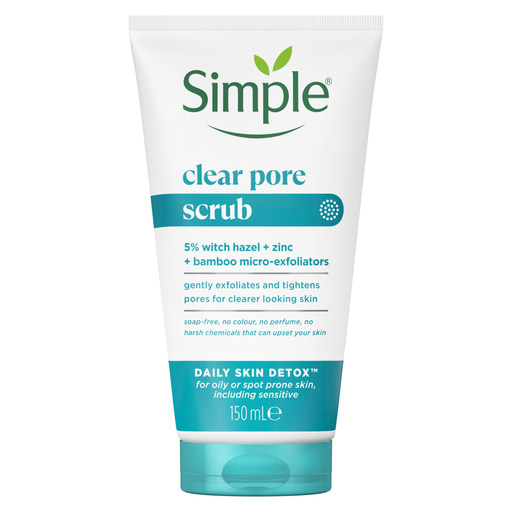
Why This Fits Their Persona: A straightforward wash-off option for shoppers who want a familiar face scrub format for oily or blemish-prone areas without adding a leave-on acid step.
The directions specify light massage and use no more than 2–3 times weekly, helping prevent the overuse associated with daily scrubbing.
Contains bamboo micro-exfoliators, zinc PCA and niacinamide; the formula is listed as free from perfume and artificial colour.
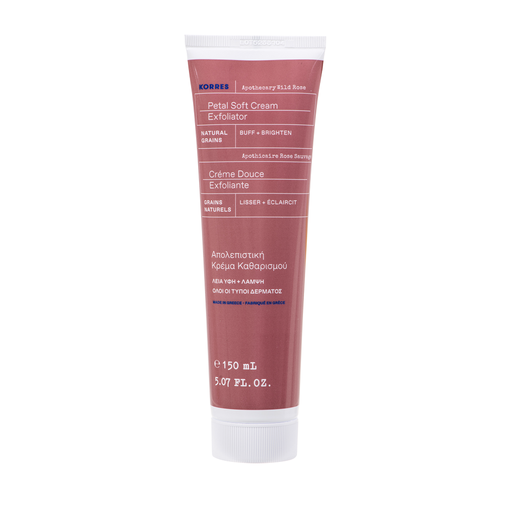
Why This Fits Their Persona: Its creamy texture suits shoppers who prefer a softer, cleanser-like exfoliation experience rather than a gritty weekly scrub.
The product information explains damp-skin application and gentle circular massage, rather than encouraging abrasive pressure.
Includes glycerin, betaine and fruit-derived acids; the listed content is 85.3% natural-origin.
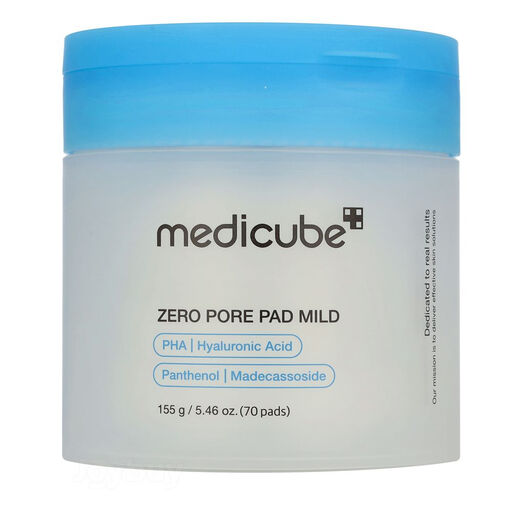
Why This Fits Their Persona: A practical Korean exfoliator format for people who want measured, pre-soaked pads and a simple wipe-on routine.
It identifies PHA as the exfoliating acid and provides embossed and smooth sides, allowing users to control surface friction.
Contains gluconolactone, panthenol and hyaluronic acid; the pack contains 70 pads and should be closed tightly after use.
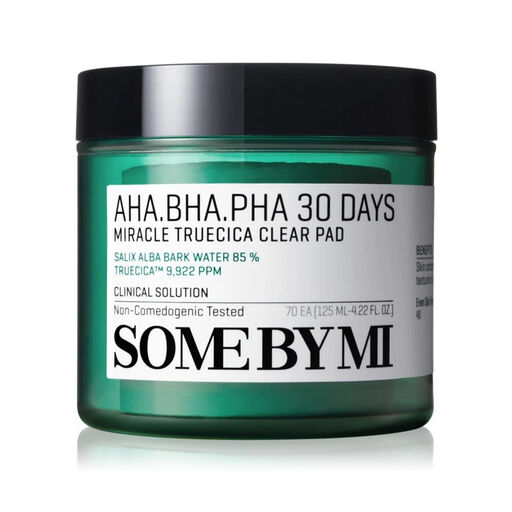
Why This Fits Their Persona: Designed for shoppers seeking a multi-acid pad format for congested or oily areas, with a textured side for the T-zone and a smooth side for the rest of the face.
The formula identifies its AHA, BHA and PHA components and advises reducing frequency for highly sensitive skin.
Uses 70 dual-sided pads with willow bark water, betaine salicylate, panthenol and sodium hyaluronate.
For a wider selection of face scrubs, chemical exfoliants and peeling treatments, browse the exfoliation face range.
We have compiled a complete, real-time list of products that fully satisfy these strict selection criteria and UK safety regulations.
Follow the product label first. Many physical scrubs and peeling gels are intended for one to three uses weekly, while some pads are labelled for more frequent use. Sensitive skin may need longer gaps between applications.
There is no single suitable format for everyone. A BHA exfoliator may appeal to shoppers concerned with oily, congested areas, while a gentle physical scrub removes surface build-up. Avoid using both aggressively in the same routine.
Cosmetic formulas have a shelf life and may display a period-after-opening symbol or batch information. Keep lids closed, store products away from direct sunlight and heat, and check the packaging for the latest storage guidance before use.