
24/7 Customer Support

Free returns

Same-day & Next-day Delivery

Quality Guaranteed

Unlock Your Welcome Offers: FREE Delivery | Up to 80% OFF | Free 30-day JoyPlus trial
Download the APP
A facial exfoliator can help lift surface build-up, improve the feel of rough skin and make pores appear less congested. However, choosing the wrong format or using it too frequently may leave skin feeling tight, dry or uncomfortable.
For UK shoppers, the main challenge is separating useful product information from broad promises such as “deep cleansing”, “pore tightening” and “instant radiance”. These phrases do not always explain how a formula works or whether it suits your skin.
A high acid percentage, coarse particles or a strongly astringent formula may sound effective, but stronger is not automatically more suitable. AHA products mainly work on surface texture, while BHA ingredients such as salicylic acid are commonly selected for oily or congested areas. PHA formulas are often considered when a milder approach is preferred.
Using several exfoliating products together can increase discomfort. For example, combining a face scrub, exfoliating toner and chemical exfoliant in one routine may provide more exfoliation than your skin can comfortably tolerate.
Some products are labelled for daily use, but individual tolerance varies. A physical face scrub, exfoliating wash, exfoliating pads and leave-on acid product all create different levels of exposure. Sensitive or dry skin may need less frequent use, even when the packaging suggests otherwise.
Check the instructions and start gradually. A patch test is sensible, particularly when trying an AHA BHA PHA exfoliator, fragranced formula or product containing essential oils.
A product may leave skin feeling polished immediately because of its texture, cleansing action or moisturising ingredients. That does not confirm that it is suitable for continued use. Look beyond instant feel and check the full ingredient list, format, frequency guidance and warnings.
A physical exfoliator uses particles, cellulose or textured pads to lift surface debris through gentle rubbing. A chemical exfoliant uses acids or related ingredients to loosen dead skin cells without relying on scrubbing.
If blackheads and excess oil are your main concerns, a pore-clearing exfoliator with salicylic acid may be more relevant than a purely polishing scrub. If your skin is reactive, a gentle face exfoliator with moisturising ingredients and low-friction application may be a more practical starting point.
Look for the type and size of exfoliating particles, or whether the product relies mainly on acids. Rough particles can be uncomfortable when used with too much pressure. Textured pads should be swept lightly rather than rubbed repeatedly over the same area.
A dual-sided pad can offer flexibility: an embossed side for targeted use and a smooth side for a lighter pass. This can be useful around the T-zone, although the eye and lip areas should still be avoided.
Review ingredients such as salicylic acid, glycolic acid, lactic acid, gluconolactone, panthenol, glycerin and hyaluronic acid. Also note alcohol, fragrance or essential oils if these are known sensitivities for you.
Do not apply exfoliators to broken, sunburnt or inflamed skin. Use sunscreen during the day, especially when using an acid-based product, and follow the product’s directions rather than increasing frequency to chase faster results.
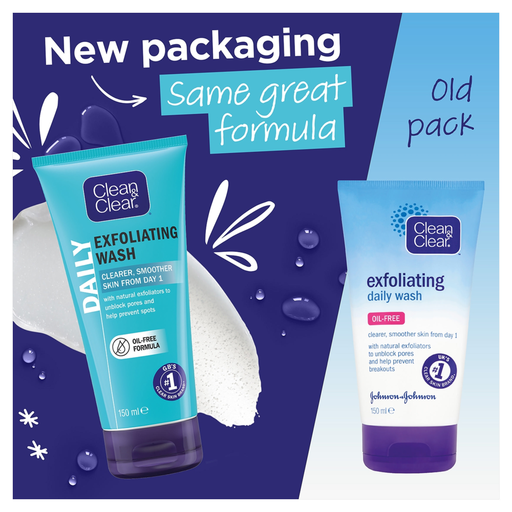
Why This Fits Their Persona: A straightforward rinse-off exfoliating face wash for shoppers building a simple routine without adding a separate leave-on treatment.
Its wash-off format limits leave-on contact time. Use light pressure and follow the pack directions instead of treating it as a substitute for stronger acid products.
150ml rinse-off formula with natural exfoliators and an oil-free formulation.
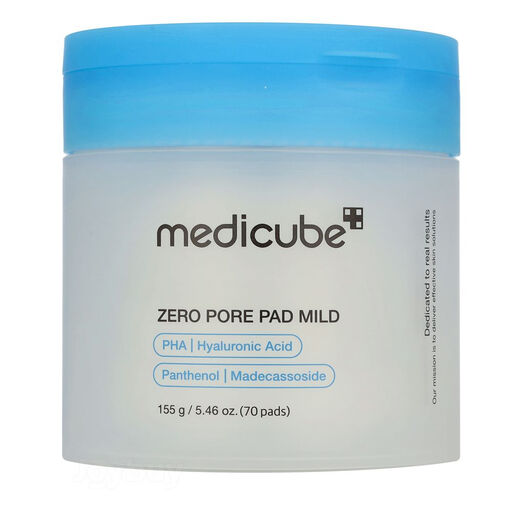
Why This Fits Their Persona: A convenient pad format for shoppers who want a measured, ready-to-use step rather than scooping product from a tube.
The product specifies PHA, panthenol and hyaluronic acid in its formula. It also provides separate embossed and smooth pad surfaces for controlled application.
70 pads, PHA-based exfoliation and a smooth side designed for a lighter finishing sweep.
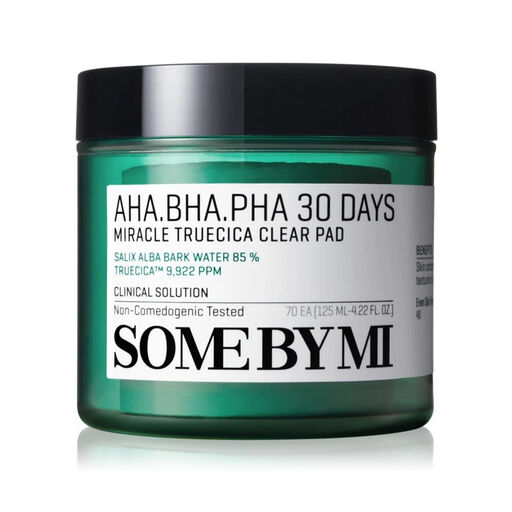
Why This Fits Their Persona: Designed for shoppers focused on oily, congested or blemish-prone areas who want a Korean skincare exfoliator in pad form.
Rather than relying only on scrub particles, it lists AHA, BHA and PHA ingredients. Start less frequently if your skin is sensitive and avoid broken or inflamed areas.
70 dual-textured pads with betaine salicylate, citric acid, lactobionic acid, panthenol and hyaluronic acid.
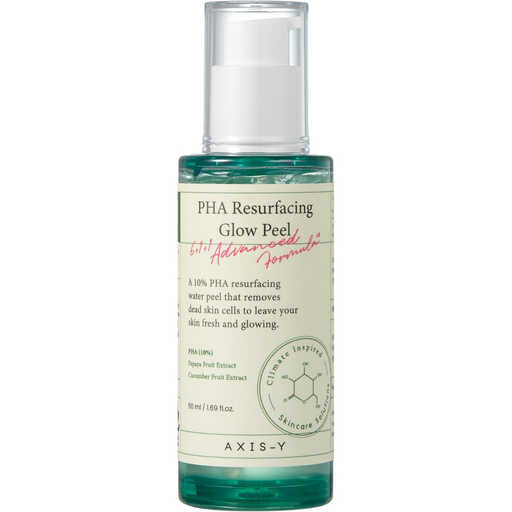
Why This Fits Their Persona: A rinse-off peel for shoppers who prefer a weekly treatment instead of frequent daily exfoliation.
Its listed 10% gluconolactone formula is used as a rinse-off gel-water peel. Follow the stated 10–15 minute timing and stop if irritation occurs.
PHA-based rinse-off format with cucumber, papaya and centella extracts listed in the formula.
We have compiled a complete, real-time list of products that fully satisfy these strict selection criteria and UK safety regulations.
Many face scrubs are better suited to occasional use rather than vigorous daily rubbing. Start once weekly, then adjust according to the product directions and your skin’s response. A gentle exfoliating face wash may have different guidance, so always check the label.
Some people with sensitive skin prefer PHA products because they are designed as milder acid exfoliants, but no formula is suitable for everyone. Patch test first, introduce it gradually and avoid combining it with other acids or abrasive scrubs.
A blackhead remover or salicylic acid face scrub may help loosen surface oil and debris, but results are not necessarily permanent. Pore congestion can return, so use a suitable routine consistently without over-exfoliating. If persistent or painful blemishes concern you, seek advice from a qualified healthcare professional.